










Olympics 2026 opens with security focus as protests and hockey draw attention

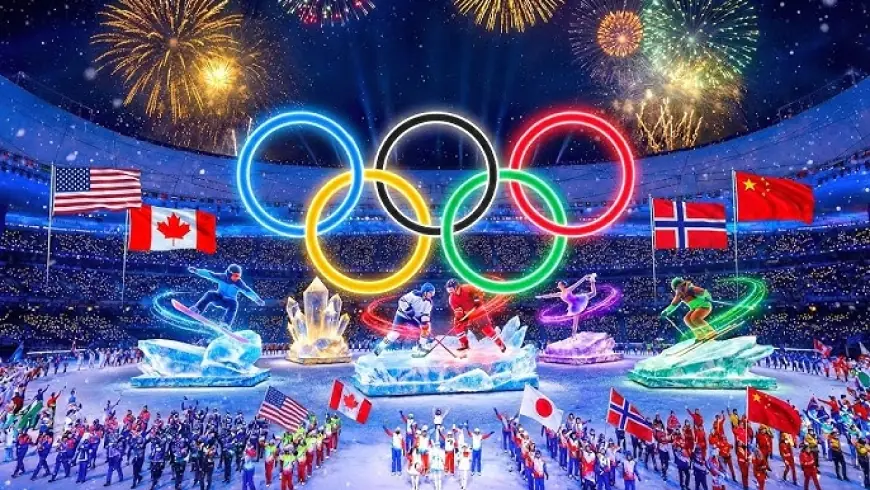
The Milano Cortina Winter Games moved into their first full weekend on Sunday, Feb. 8, 2026 (ET), with organizers and officials balancing the usual opening-days buzz against a tougher security backdrop. Street demonstrations in Milan—mostly peaceful but punctuated by clashes—became the most immediate off-venue storyline, even as competition ramps up and the men’s ice hockey tournament, boosted by the return of NHL players, takes center stage.
Olympics 2026 opens amid tight security
Opening weekend delivered the split-screen reality hosts prepare for but rarely want to headline: packed fan zones, full venues, and a heavy policing presence around key sites and transit corridors. Officials framed the security posture as a necessary layer for a Games footprint spread across multiple regions, with events staged from Milan’s urban arenas to mountain venues in the Dolomites.
For spectators, the practical message has been consistent: build extra time for travel, expect checks at major entrances, and monitor rail and road conditions between competition clusters.
Protests in Milan and travel disruption
A large protest in Milan drew thousands on Sunday (ET), driven by grievances that have shadowed major international events in recent years—housing pressure, cost-of-living concerns, and environmental impacts tied to construction and tourism surges. While most demonstrators remained peaceful, a smaller breakaway group clashed with police, with objects thrown and crowd-control measures deployed.
Separately, rail infrastructure near Bologna was damaged in what authorities described as deliberate sabotage, disrupting high-speed, intercity, and regional service. Delays stretched as long as roughly 2.5 hours, complicating travel flows on a key north–south artery at the very moment Olympic demand peaks.
Hockey’s spotlight, NHL players back on Olympic ice
Men’s ice hockey quickly became the marquee draw of the first days, in large part because top NHL talent is back at the Winter Games for the first time since 2014. The return has been treated as a major visibility win for the tournament, which had previously been forced to rely on non-NHL rosters when scheduling, insurance, and league participation hurdles proved too high.
Officials have also signaled that this year’s arrangement is intended as a bridge toward longer-term cooperation, though future participation beyond 2026 remains a negotiation rather than a guarantee. On the ice, the early schedule has highlighted the depth of the field—traditional powers, dangerous mid-tier teams, and a host nation eager to play spoiler.
Venues, logistics, and the fan experience
With multiple host areas, the Games’ logistics are unusually central to the spectator experience. Rail connections and highway links matter as much as start lists, and the weekend’s disruptions underscored how quickly a single chokepoint can ripple across an entire day of competition.
Away from competition sites, organizers and local operators have leaned into winter tourism offerings built around the dramatic Dolomite landscape, adding guided experiences aimed at visitors trying to see more than arenas and finish lines. The broader strategy is clear: convert the Olympic influx into longer stays and repeat travel—without overwhelming housing, transit, or fragile mountain environments.
What to watch over the next week
The next several days will test whether opening-week friction settles into a smoother rhythm. Security planning will remain under a microscope, especially around large gatherings and transit hubs. Event operations will face the usual stressors—weather variability, travel surges between venue clusters, and the pressure of back-to-back medal sessions.
Key takeaways
-
Demonstrations in Milan are likely to continue, with authorities prioritizing crowd safety and access to venues.
-
Rail reliability has become a top concern after the Bologna-area disruption; travelers should expect knock-on delays.
-
The men’s hockey tournament has extra momentum with NHL stars, raising both viewership and expectations.
-
The coming week will show whether organizers can keep transport and security stable as crowds intensify.
Sources consulted: Reuters, Associated Press, International Olympic Committee, Olympics.com