

























Lewis Hamilton leans into Ferrari “winning mentality” as 2026 season countdown accelerates

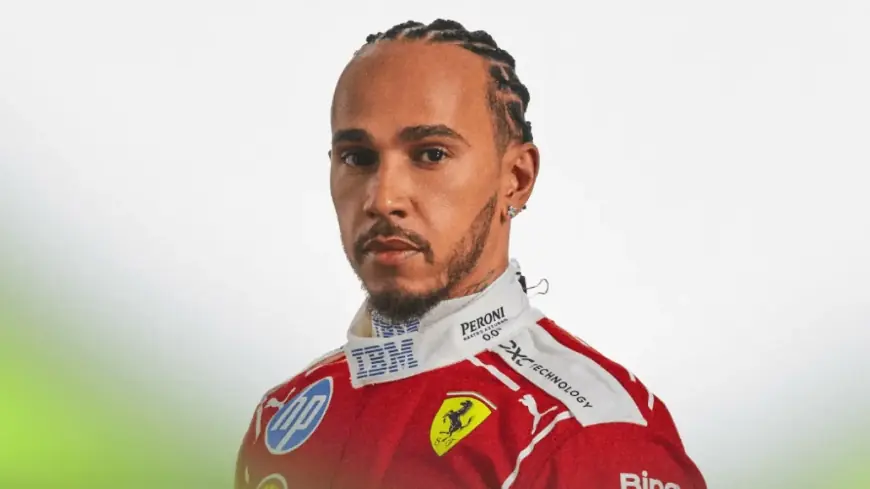
Lewis Hamilton’s build-up to the 2026 Formula 1 season has taken on a sharper edge this week: upbeat comments after Ferrari’s Barcelona shakedown, a tightening calendar that starts with Bahrain testing on Feb. 11 (ET), and renewed scrutiny over off-track changes around his inner circle. With new technical regulations reshaping the cars, Hamilton is presenting the moment as both a reset and an opportunity—one that hinges on how quickly Ferrari can translate early promise into repeatable pace.
Ferrari shakedown sets an optimistic tone
Hamilton left Ferrari’s recent running in Barcelona sounding notably energized, describing a stronger “winning mentality” around the team and an enthusiastic mood heading into the new era. The message was clear: whatever frustrations or growing pains surrounded earlier transitions, the baseline heading into 2026 feels more aligned with championship intent.
That optimism matters because the 2026 regulations represent a genuine inflection point. New car behavior can reshuffle the competitive order, and early comfort often becomes a hidden advantage—especially for a driver adapting to a team’s processes while also adapting to a fundamentally different machine.
New 2026 cars: “more fun,” but still a puzzle
Hamilton has also pointed to the new generation of cars as “more fun” to drive, a comment that hints at improved feel behind the wheel—but not necessarily an immediate guarantee of dominance. Early impressions can be encouraging while the competitive picture remains unclear; a car that feels good can still lack the ultimate pace once teams begin pushing setup extremes and extracting performance in different conditions.
For Ferrari, the key question is whether the early running reflects a stable platform: predictable balance, manageable tire behavior, and enough aerodynamic headroom to develop through the season. For Hamilton, it’s also about confidence—being able to attack corners and manage race stints without constantly “driving around” limitations.
Calendar pressure: testing to Melbourne, fast
There’s no long runway this year. The sport’s official pre-season work begins in Bahrain next week, and then the opening race arrives quickly after. That compressed timeline increases the value of clean test days: learning programs completed, data gathered, and reliability confirmed.
Key upcoming dates (ET)
| Item | Date | Notes |
|---|---|---|
| Pre-season testing (Bahrain) | Feb. 11–13, 2026 | First official test window |
| Pre-season testing (Bahrain) | Feb. 18–20, 2026 | Second official test window |
| Season opener (Australian GP) | Sun., March 8, 2026 | Late evening ET start time |
In a new-regulation year, the difference between “we’re close” and “we’re behind” can be measured in how efficiently a team converts test mileage into targeted upgrades before the first flyaway stretch.
Off-track shift: management questions resurface
At the same time, attention has returned to Hamilton’s off-track camp following fresh reporting about a split with a key management figure. Even if it has little direct effect on lap time, such changes tend to draw interest because they can reflect broader priorities—how Hamilton wants his public and commercial life structured as he chases an eighth world title.
In practical terms, the competitive impact is usually indirect: fewer distractions, clearer decision-making, and a tighter focus around the season’s demands. But the timing—so close to testing—adds intrigue, because most drivers prefer stability heading into a new rules era.
What to watch next: the first real signals
The next two weeks should provide the earliest meaningful indicators of where Hamilton and Ferrari stand:
-
Long-run pace: not just one-lap speed, but consistency over race-like stints
-
Reliability: new systems and new packaging can punish small weaknesses
-
Driver-team rhythm: radio, setup direction, and responsiveness to feedback
-
Development trajectory: whether Ferrari looks like it can unlock more pace quickly
If Ferrari leaves Bahrain looking consistent across conditions and fuel loads, Hamilton’s upbeat language will feel validated. If the team looks quick only in narrow windows—or if reliability interrupts run plans—the narrative can flip fast, especially in a year when early momentum may shape the first third of the championship.
Sources consulted: Formula 1; Sky Sports; The Independent; Yahoo Sports