





















Jared McCain traded to OKC Thunder: what moved, why it happened, and what’s next

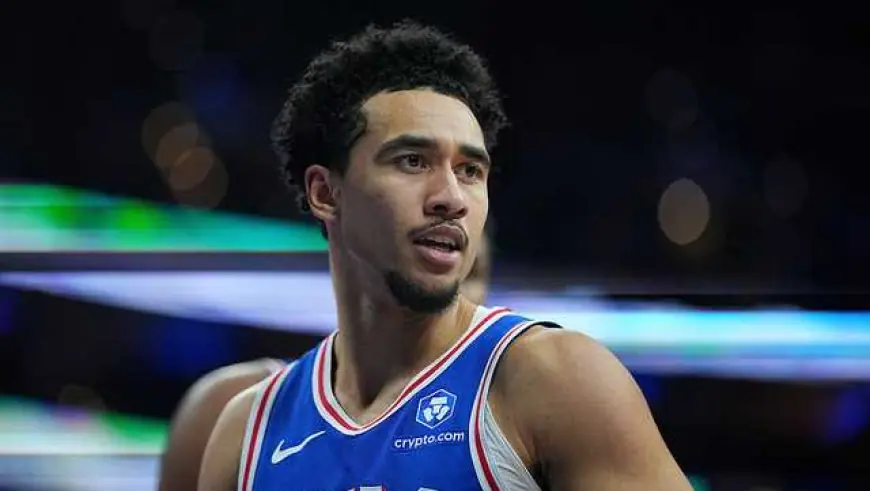
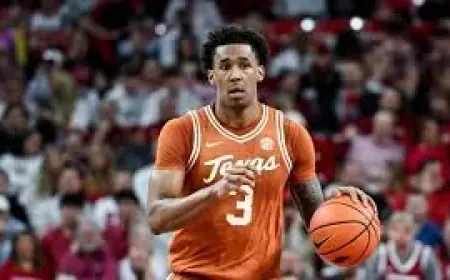
Jared McCain is officially on the Oklahoma City Thunder after a trade-deadline deal that sent the 21-year-old guard from Philadelphia in exchange for a package of draft picks. The move reshapes two timelines at once: Oklahoma City adds a young shot-maker to a roster already built for deep playoff runs, while Philadelphia converts a recent first-rounder into future assets and flexibility.
McCain made his first appearance for Oklahoma City on Friday night, Feb. 6, scoring five points in 14 minutes in a 112–106 loss to Houston, a quick debut that underscored how fast the Thunder intend to integrate him.
What the Thunder got in Jared McCain
McCain’s calling card is scoring touch—particularly his ability to create clean looks off movement and spot-up actions. Oklahoma City’s system prizes quick decisions and spacing, and McCain’s shooting projects as a natural fit alongside a roster that often generates open perimeter attempts through drive-and-kick sequences.
The Thunder are also buying into upside rather than a finished product. McCain is still early in his development curve, and his ceiling depends on how well he rounds out on-ball creation, defense, and physical durability through an 82-game grind.
The trade terms: what changed hands
Here is the clean, confirmed framework of the deal:
| Item | Details (ET) |
|---|---|
| Trade finalized | Thursday, Feb. 5, 2026 |
| Thunder receive | Jared McCain |
| 76ers receive | 2026 first-round pick; 2027 second-round pick; two 2028 second-round picks |
| McCain Thunder debut | Friday, Feb. 6, 2026 (5 points, 14 minutes) |
Philadelphia’s return is pick-heavy, the kind of package teams seek when they want to preserve future optionality—either to draft, consolidate for a bigger move later, or maintain cap maneuverability.
Why Philadelphia moved him
Philadelphia’s logic is best understood through roster math and timeline pressure. The team is built around win-now stars, and the backcourt rotation has been crowded, leaving fewer minutes for a young guard to play through mistakes and grow.
Trading McCain for picks does three things for the 76ers:
-
opens rotational oxygen for the guards they’re prioritizing right now,
-
adds draft inventory that can be used in later deals,
-
reduces the long-term “who gets paid next?” squeeze that can happen when multiple young players develop at once.
The risk is obvious: if McCain becomes a high-level rotation shooter—or more—Philadelphia may be remembered as moving too early.
McCain’s injury history and current status
McCain’s first two pro seasons have already included significant health hurdles. He dealt with a torn meniscus that ended his rookie year early, and he also missed time this season after suffering a torn ligament in his right (shooting) thumb ahead of the year.
The key update now is practical: he is active, he’s playing, and Oklahoma City wasted little time getting him game minutes immediately after the trade. That suggests the Thunder view him as ready to contribute in the short term, even if his role starts small.
How Oklahoma City is likely to use him
In the near term, McCain’s fastest path to reliable minutes is simple: be a spacing threat that defenses must respect. Oklahoma City can deploy him in bench units where his shooting bends coverages, and also in staggered lineups where he shares the floor with primary creators who draw the defense’s attention.
Expect early usage to emphasize:
-
spot-up threes from the corners and wings,
-
movement shooting (handoffs, flare screens),
-
secondary playmaking rather than full-time point-guard duties.
If he holds up defensively and avoids turnovers, his minutes can scale quickly—especially in regular-season stretches where the Thunder want to preserve their top guards and maintain offensive efficiency.
What to watch over the next month
McCain’s first few weeks in Oklahoma City will be less about box-score explosions and more about role clarity. Three checkpoints matter most:
-
Rotation trust: does he stay on the floor late in close games?
-
Shot quality and volume: is he getting clean looks within the system, and is he taking them without hesitation?
-
Defensive survivability: can he avoid being targeted repeatedly in matchup hunting?
For Philadelphia, the evaluation will take longer. Draft picks are future value, and the real judgment will come down to what those picks become—either players or the currency for a later swing.
Sources consulted: NBA.com; Reuters; ESPN; Sports Illustrated