





















Rock the Country festival reshapes 2026 tour after artist exits and one stop canceled

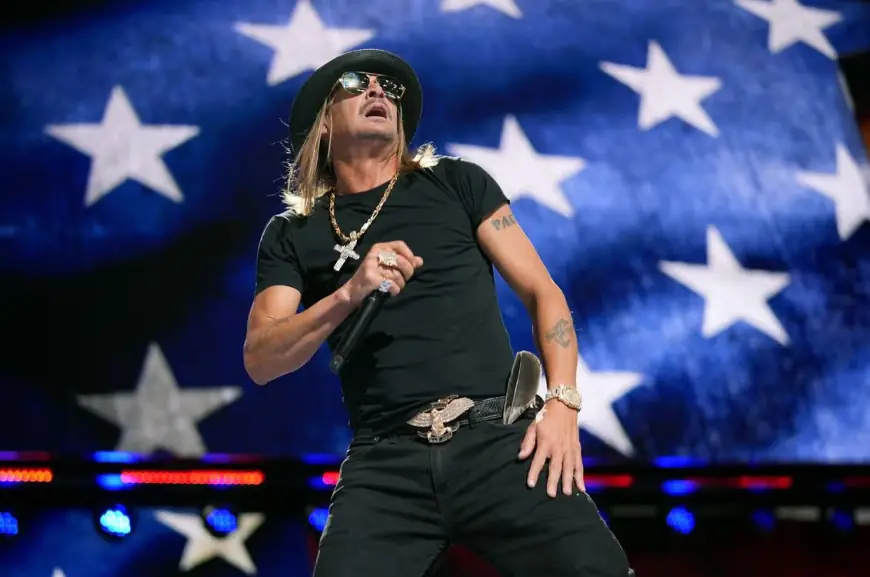
Rock the Country, a traveling two-day music festival built around country, rock, and “small-town” fairground venues, is entering its 2026 run with a revised lineup and a reshuffled map after multiple artists pulled out and the Anderson, South Carolina weekend was scrapped.
The festival is still scheduled to begin in early May and stretch into mid-September, but the past week has turned the event into a test of how a touring brand holds together when performers and local partners start recalculating the costs of controversy.
The Anderson, South Carolina date is off
The clearest operational change is the removal of the Anderson, South Carolina stop that had been planned for July 25–26, 2026. Local officials confirmed the weekend will not move forward. That cancellation appears to have happened alongside, and in the wake of, lineup disruption and heightened scrutiny around the festival’s framing and promotion.
For ticket-holders, the practical consequence is straightforward: there will be no Anderson weekend on the 2026 schedule, and the remaining stops now carry more weight for the tour’s momentum.
Shinedown and other acts step away
Several artists have exited the 2026 tour in recent weeks, with the most prominent public statement coming from Shinedown, which said it chose to withdraw to avoid contributing to “further division” and to stay aligned with a mission of bringing audiences together. Other departures named in recent coverage include Ludacris (who indicated he was added to promotional material in error) and country artists Morgan Wade and Carter Faith, who were no longer listed in promotional lineups as the tour’s materials updated.
Another high-profile change involved Creed, which was also removed from promotional listings without a publicly detailed explanation.
The festival still has a deep bench of recognizable names across its remaining weekends, but the dropouts have created a storyline the organizers will need to manage: stability, clarity, and whether the festival can keep attention on music rather than politics and social-media blowback.
What the 2026 schedule looks like now
As of early February 2026, the official schedule lists seven two-day weekends:
-
Bellville, Texas (May 1–2)
-
Bloomingdale, Georgia (May 29–30)
-
Sioux Falls, South Dakota (June 27–28)
-
Ashland, Kentucky (July 10–11)
-
Hastings, Michigan (August 8–9)
-
Ocala, Florida (August 28–29)
-
Hamburg, New York (September 11–12)
Across those stops, the advertised model is consistent: a major headliner night-to-night, with big supporting slots and a long undercard that leans into rising country acts, legacy names, and crossover bookings. The brand pitch is also consistent—rural or small-market settings, camping options, and an all-day festival format rather than an arena-style show.
Why the festival is drawing heat
Rock the Country has been promoted as a patriotic, Americana-forward event tied to the national 250th anniversary in 2026, a theme that has energized some fans while pushing others to question whether the festival’s identity has become more political than musical.
The recent withdrawals show how sensitive that balance is for artists with broad audiences. For performers, a festival slot is not just a payday—it’s a reputational choice that can ripple across radio, touring partners, sponsors, and fan communities. When a tour is perceived as a cultural signal, some acts decide the upside isn’t worth the distraction.
At the same time, festivals often juggle cancellations and lineup churn for ordinary reasons—logistics, scheduling, contracts, local requirements, or ticketing projections. In this case, the public narrative has been amplified by the speed of changes and the visibility of who left.
What happens next for ticket-holders and organizers
The near-term challenge is execution: keeping the remaining stops smooth, transparent, and predictable. Organizers will likely focus on three pressure points:
-
Clear lineup communication as posters and city pages continue to update
-
Local coordination on security, traffic, and venue infrastructure at fairgrounds and festival sites
-
Fan confidence that the remaining weekends will deliver a full experience even if a few names have changed
If the tour opens strong in May, the conversation may quickly shift back to set times and weekend logistics. If additional exits follow, the festival risks becoming defined by churn rather than the shows themselves.
Sources consulted: Rock the Country (official site), People, The Independent, WYFF4