

























Express Your True Views on RRSPs vs. TFSAs

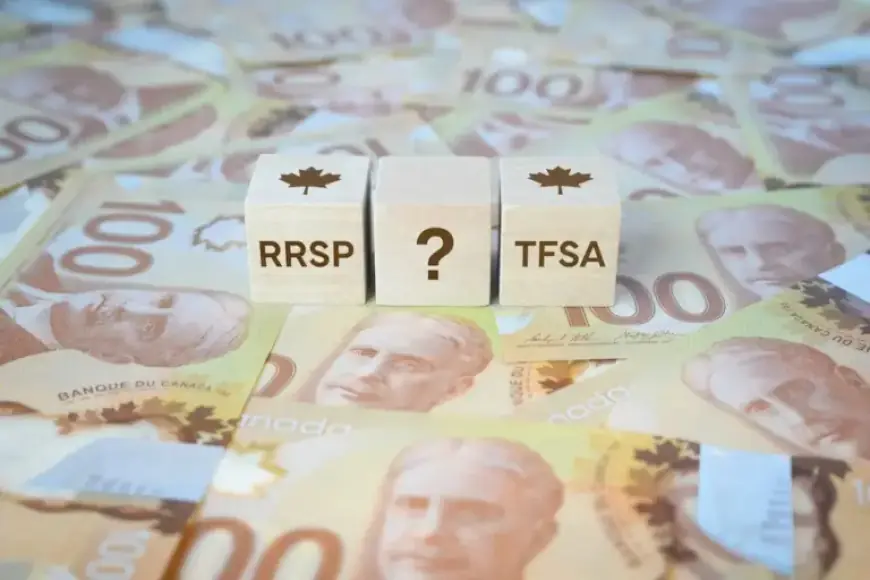
Understanding the differences between Registered Retirement Savings Plans (RRSPs) and Tax-Free Savings Accounts (TFSAs) has become increasingly important for Canadians. Recent discussions have highlighted the evolving perspectives on these savings vehicles, particularly as financial landscapes change.
Current Trends in RRSPs and TFSAs
According to a recent survey, nearly 45% of respondents actively contribute to RRSPs. Meanwhile, 17% reported occasional contributions. However, a notable 38% are currently not contributing at all. Various reasons underpin these choices, including shifts in financial strategy and life circumstances.
Many Canadians are prioritizing TFSAs since their inception in 2009. The advantages of TFSAs, particularly their tax-free withdrawal feature, make them attractive for individuals planning for immediate needs, such as major expenses or home purchases. The introduction of the First Home Savings Account (FHSA) in 2023 has further changed the savings landscape.
Impact of TFSAs on Savings Strategies
- Tax Flexibility: TFSAs allow for tax-free withdrawals, making them appealing for current financial needs.
- Home Purchases: Many are utilizing TFSAs for down payments, as illustrated by a couple from London, Ontario, who used their savings to buy a home and are now replenishing that fund for future expenses.
- Retirement Preparation: Some individuals are saving for retirement without relying on RRSPs. For example, a Vancouver resident with access to a defined-benefit pension is currently prioritizing TFSAs and FHSA contributions.
The Role of Employer Plans
Employer-sponsored plans influence savings habits as well. Individuals report benefits from payroll deductions and employer matching, contributing to their overall financial security. One respondent from Burlington stated they have saved approximately $700,000 but still wonder if it’s sufficient for retirement.
Market Observations and Financial Planning
In the stock market, the S&P 500 has seen significant growth, rising over 430% since 2012. This has occurred despite slower earnings growth, which remains at about 2.4% annually. The elevated price-to-earnings ratios, currently near 31, indicate potential shifts in future market performance.
Financial experts, including Frederick Vettese, caution investors about the sustainability of current stock valuations. A return to historical norms could lead to slower growth for the foreseeable future.
Retirement Considerations
Planning for retirement requires careful consideration, especially regarding when and how to communicate retirement intentions to colleagues. For instance, Blair Rogerson, who retired from an insurance firm in Markham, Ontario, earlier than planned in June 2020, emphasized the importance of advance notice for workplace dynamics.
Emergency Preparedness
Retirees must also prepare for unexpected expenses. Financial experts recommend holding three to six months of living expenses in a high-interest savings account. Furthermore, they suggest that retirees set aside 10% of their annual income to cover potential emergencies, securing their financial well-being.
As Canadians navigate their financial futures, understanding RRSPs versus TFSAs is essential. With changing priorities and investment strategies, it’s crucial to evaluate the best savings options for personal circumstances. For more insights on retirement and savings, visit Filmogaz.com.