

























Teeth Reveal Widening Wealth Gap Between Rich and Poor

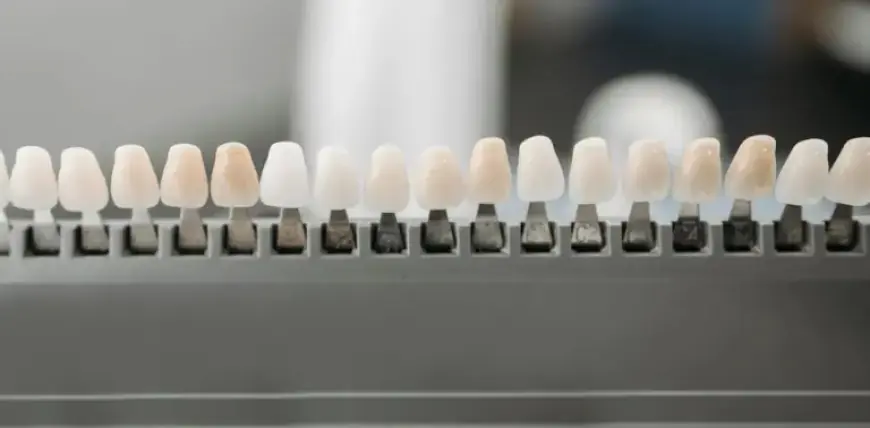
Teeth have come to symbolize the widening wealth gap between the affluent and the impoverished. Sarah Smarsh, a US journalist, describes this phenomenon in her essay for Aeon, referring to poorly maintained teeth as “poor teeth.” She highlights how such dental issues not only evoke shame but also exacerbate poverty. Individuals with bad teeth struggle to secure employment, thus perpetuating the cycle of deprivation.
The Disconnect in Dental Care Accessibility
In Australia, structural flaws in the healthcare system have left dental care inadequately funded. When Medicare was established in the 1970s, dental services were notably excluded. However, the introduction of the Child Dental Benefits Schedule in 2014 allowed eligible children up to 17 years old access to free dental care, provided their families receive certain government payments.
Despite recent attention to this issue, research by the Grattan Institute reported in late 2024 reveals alarming statistics. Over two million Australians postpone seeking dental care due to costs. Furthermore, more than 40% of adults typically wait over a year to visit a dentist. According to Peter Breadon, the health program director at the Grattan Institute, the public dental sector is “underfunded” and “overwhelmed.”
Statistics on Dental Access
- One-third of Australians are eligible for free or low-cost public dental services.
- Access to these services varies by state and territory.
- Some individuals have experienced multi-year wait times for treatment.
Left untreated, dental issues can escalate into medical emergencies necessitating hospital visits. This trend mirrors the challenges posed by welfare systems in the UK and Australia, where strict assessments can limit access to support for disabled individuals.
Personal Narratives and the Dialogue on Poverty
Linda Tirado’s book, “Hand to Mouth,” captures the essence of living in poverty while navigating systemic challenges. Tirado discusses the shame associated with inadequate dental care and how daily struggles intertwine with the physical manifestations of poverty. Her narrative gained traction online, leading to a publication that underscores the fragility of existence amid financial hardship.
The late Barbara Ehrenreich praised Tirado’s genuine experiences, contrasting them with the academic portrayals of poverty. Ehrenreich emphasized the importance of voices from within impoverished communities, as they provide insight into the complexities of their situations.
Emerging Voices from the Margins
The 2024 anthology “Povo” features personal accounts from individuals across Western Sydney. These narratives, cultivated through workshops by the Sweatshop Literacy Movement, reflect on experiences that include the symbolism of teeth. Notably, Victor Guan Yi Zhou shares a story about tooth gems, which he wears as a statement of empowerment despite his challenging circumstances.
In the lead-up to the 2023 Budget, the Australian Unemployed Workers’ Union organized protests addressing the struggles faced by those relying on government support. Many speakers highlighted the ongoing issues related to insufficient payments, which continue to fall below the poverty line.
Among them was an older woman who described her efforts to meet “mutual obligations” by working in the community. Her appearance, marked by chipped teeth, revealed much about the harsh realities of life on a meager income.
Conclusion
The stark contrast between the dental health of the wealthy and the poor highlights a systemic issue that extends beyond mere aesthetics. Addressing this widening wealth gap is crucial for creating equitable access to healthcare and combating the stigma associated with poverty.