
























New Zealand Marks National Day, Urges Support for Maori and National Unity

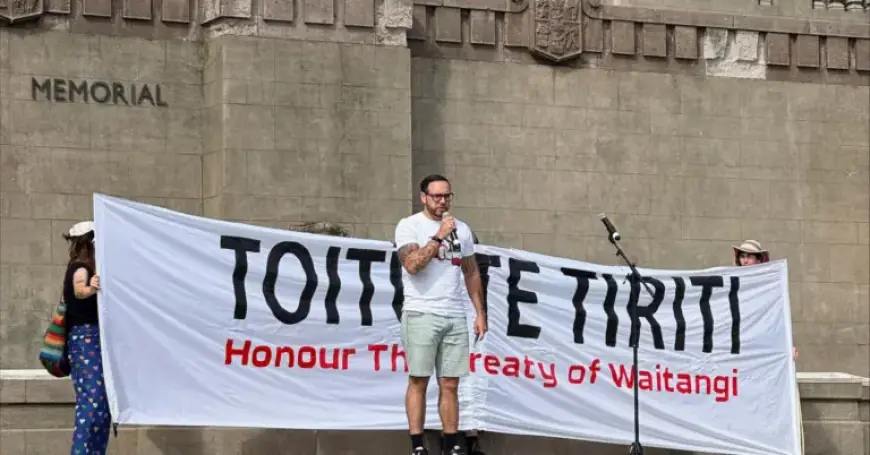
On February 6, New Zealand celebrated Waitangi Day, the anniversary of the Treaty of Waitangi’s signing. Prime Minister Christopher Luxon emphasized the need for national unity while empowering the Indigenous Maori community. The day is significant, reflecting the ongoing dialogue about the relationship between the Maori and the government.
Significance of Waitangi Day
Waitangi Day commemorates the Treaty of Waitangi, a pivotal document signed in 1840. This treaty was established between the British Crown and over 500 Maori chiefs. It laid the groundwork for governance in New Zealand and continues to influence legislation.
Ceremonies at Waitangi Treaty Grounds
Thousands gathered at the historic Waitangi Treaty Grounds in the Bay of Islands for a dawn service. Traditional Maori canoes, known as Waka, brought paddlers representing various tribes. The participants are expected to perform the haka, a traditional Maori dance, symbolizing cultural pride and unity.
Political Context and Challenges
This year’s event carries significant political implications ahead of a national election scheduled for November. Tensions have increased with some Maori groups after the conservative government, elected in late 2023, altered several Indigenous policies. Certain organizations aimed at improving Maori lives have also been disbanded.
- Maori make up about 20% of New Zealand’s population, estimated at 5.3 million.
- A controversial bill last year sought to reinterpret the Treaty’s principles but was not passed.
- Two of the three governing parties did not support the bill, leading to protests.
Call for Unity and Dialogue
Prime Minister Luxon acknowledged the differing interpretations of the treaty. He stressed the importance of addressing these differences through constructive dialogue rather than conflict. “We work through our differences,” he stated. Governor-General Cindy Kiro also reflected on the ongoing journey toward achieving the treaty’s ideals.
Historically, the Maori have faced significant challenges including land dispossession, higher rates of deprivation, incarceration, and poorer health outcomes. Waitangi Day has often been a platform for Maori activists to advocate for social justice and equality.
The conversation surrounding Maori rights and national unity continues to evolve in New Zealand, highlighting the need for a balanced approach to governance and community empowerment.