













Winter Olympics Enforce Neutrality for Russian and Belarusian Athletes

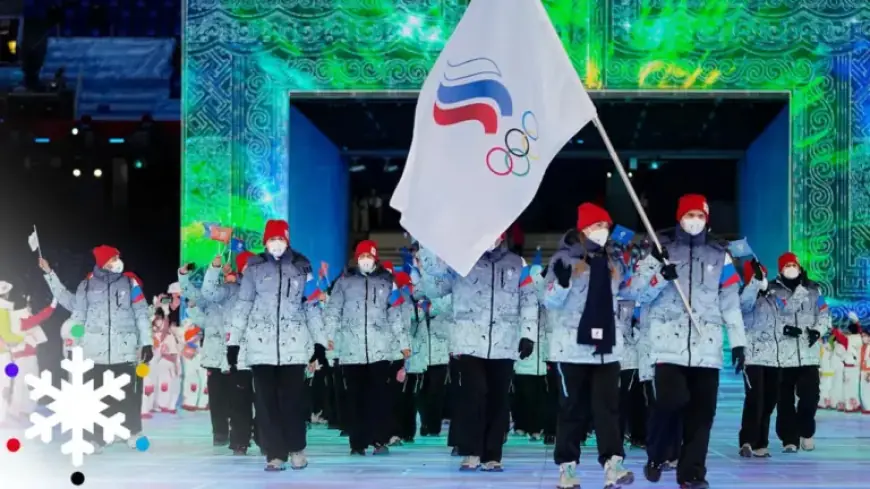
The upcoming Winter Olympics in Milan-Cortina will notably see the participation of only 13 athletes from Russia. This event, starting on February 6, marks the smallest Russian contingent at the Olympics since 1908. The backdrop is a long history of sanctions and doping violations that have led to their exclusion from various competitions.
Background of Russian Participation in the Olympics
In 2014, during the Sochi Winter Olympics, Russia led the medal count with 33 total medals, including 13 golds. However, systematic doping violations led to the suspension of the Russian Olympic Committee (ROC) in 2017. Subsequently, Russian athletes competed in Pyeongchang 2018 and Tokyo 2021 under a neutral flag and were allowed to represent the ROC, without any official Russian identity.
The situation has worsened since the 2022 invasion of Ukraine, leading to another suspension of both the ROC and the Belarusian Olympic Committee. As a result, athletes from these nations will compete as “neutral individual athletes” in the upcoming Winter Olympics.
Eligibility Criteria Under Neutral Status
The International Olympic Committee (IOC) has imposed strict eligibility criteria for these neutral athletes. Each must undergo a review process to ensure they adhere to Olympic values, particularly regarding the situation in Ukraine. This panel of three oversees athlete applications to confirm their lack of active support for the ongoing war.
- Participants must commit to the Olympic Charter.
- They are required to submit documentation for assessment.
- They cannot engage in activities that support military actions.
Controversies and Criticism
Despite these measures, some athletes designated as neutral have drawn scrutiny due to their alleged ties to pro-war activities. For instance, skater Petr Gumennik is under investigation for connections with individuals who support Russia’s actions in Ukraine. Vladyslav Heraskevych, a Ukrainian athlete and flag bearer at the opening ceremony, expressed concern over the neutrality claims of these athletes, arguing it undermines fairness.
Significant Absences
Russian and Belarusian athletes will be barred from participating in team sports. Notable absences will include top hockey stars, greatly impacting the competitions. However, one athlete, Adeliia Petrosian, a figure skater, will compete neutrally after securing her spot in qualifying rounds.
Future Prospects
The participation of Russian and Belarusian athletes in future Olympics remains uncertain. Following a ruling from the Court of Arbitration for Sport, some skiers may compete in Italy. At the same time, IOC President Kirsty Coventry emphasized the importance of allowing athletes to compete irrespective of political conflicts. Some speculate that Russia may aim for full participation in the 2028 Summer Olympics in Los Angeles.
As the sporting world watches closely, the decisions regarding neutrality for Russian and Belarusian athletes will likely have lasting implications for future international competitions.