






















ECOWAS and Military Forge Historic Peace in Guinea-Bissau

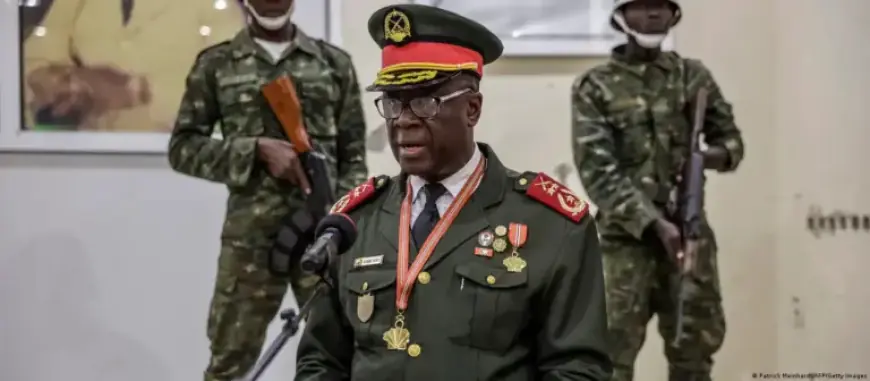
In a significant diplomatic achievement, the Economic Community of West African States (ECOWAS) has reached a historic agreement with the military leaders in Guinea-Bissau, who took power in November 2025. This accord has led to the release of political prisoners, including opposition leader Fernando Dias. Dias had been seeking refuge at the Nigerian embassy, claiming victory in the recent presidential elections. Meanwhile, Domingos Simoes Pereira, the leader of the African Party for the Independence of Guinea and Cape Verde (PAIGC), has also been released but remains under house arrest.
ECOWAS and Military Cooperation in Guinea-Bissau
ECOWAS faced pressure to navigate its relationship with the military authorities in Guinea-Bissau. The military leadership is determined to maintain control, pushing ECOWAS to adopt a more conciliatory approach. This shift is evident in the formation of an inclusive transitional government, which will include three ministerial portfolios and ten seats in the National Transition Council for the PAIGC and Dias’s political group.
A Diplomatic Triumph for Senegal
The agreement was facilitated under the auspices of Senegal, which has demonstrated adept diplomacy where others have faltered. The Senegalese Minister of Armed Forces, General Birame Diop, played a vital role in guiding the dialogue with military leaders. This compromise is being described as a “peace of the brave,” benefiting both ECOWAS and the military authorities.
Impacts and Future Challenges
This historic accord aims to stabilize the sociopolitical climate in Guinea-Bissau, which had been tense following the ousting of President Umaro Sissoco Embalo. As ECOWAS embraces this new approach, concerns linger about the credibility of the organization. Critics argue that its previous hardline stance against military coups has failed, especially in light of the crises in Mali, Burkina Faso, and Niger.
- ECOWAS has responded to the need for a diplomatic solution.
- Releases of political prisoners are seen as a step toward peace.
- Senegal’s involvement has been crucial in the negotiations.
Despite achieving a significant diplomatic outcome, challenges remain. The opposition’s unwillingness to participate in the new government threatens the potential for long-term stability. Moreover, Pereira’s house arrest is viewed as a tactic to suppress dissent. Senegal must continue to ensure that the military leadership adheres to the commitments outlined in the agreement.
Conclusion
The evolving situation in Guinea-Bissau underlines the complexities of post-coup governance. While the ECOWAS agreement marks a critical step forward, the sustainability of this peace process remains uncertain. Continuous monitoring and engagement from regional powers will be essential to navigate the challenges ahead while maintaining political integrity.