Eritrea’s Dams Transform Dust into Fertile Lands

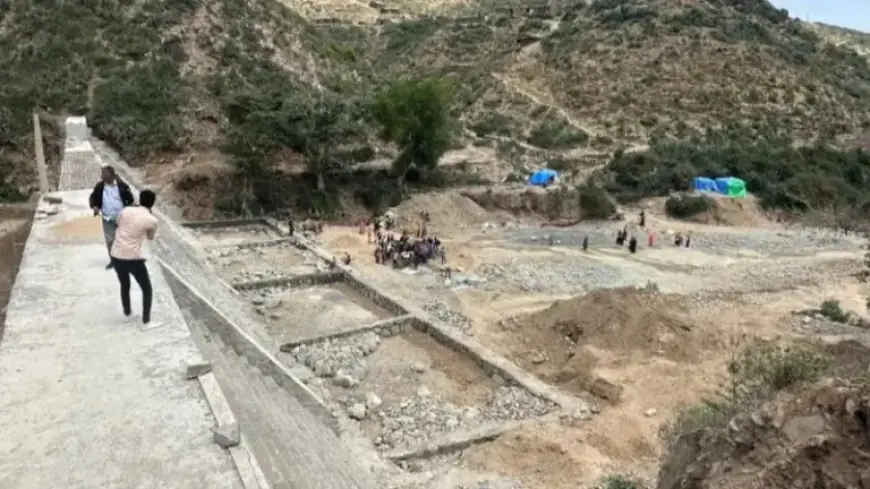
In Eritrea, a remarkable transformation is underway in the arid interior regions. Through the construction of hand-built dams, communities are grasping the opportunity to cultivate previously barren land. These innovative structures, made from local materials and built by community labor, are fundamentally changing agricultural practices in this drought-prone nation.
Eritrea’s Approach to Water Scarcity
Faced with persistent water shortages, Eritrea has embarked on a significant project to combat this issue. With the support of the African Development Bank, Eritrea has constructed or rehabilitated over 880 dams across rural areas. This initiative is primarily focused on enhancing water availability, allowing communities that once relied on unpredictable rainfall to develop sustainable agriculture.
The Impact of Dams on Agriculture
- Community Empowerment: Local farmers, like Bekit Idris from Guritatal, have witnessed a profound change. “The dam has allowed me to cultivate better and more frequently,” he stated.
- Increased Harvests: Prior to the dam, farmers typically harvested once a year, but they can now harvest up to three times annually, enhancing food security.
- Economic Growth: Farmers can not only feed their families but also sell surplus produce in markets, improving household incomes.
The Drought Resilience and Sustainable Livelihoods Programme (DRSLP)
Since 2015, the African Development Bank has funded the Drought Resilience and Sustainable Livelihoods Programme. This program aims to reduce vulnerability in the Horn of Africa through strategic water management and improvement of agricultural practices.
- Dams Constructed: The financing has led to the construction of 98 small and medium-sized dams and over 200 water points.
- Land Rehabilitation: The project has rehabilitated more than 200 hectares of degraded land, bolstering local agriculture.
- Future Plans: The programme anticipates the construction of an additional 116 masonry dams, further supporting irrigated agriculture.
Development of Agricultural Techniques
The DRSLP has also focused on skill development and entrepreneurship among farmers. Communities benefit from training that enhances agricultural output and facilitates better production practices.
As reported by Kenneth Onyango, Chief Country Program Officer at the Bank’s Eritrea office, this project has expanded agricultural opportunities significantly. “Community engagement has accelerated our progress,” he remarked. “We see a real shift in livelihoods as agriculture becomes a primary income source for families.”
The Future of Farming in Eritrea
The DSPRL program is set to continue until December 2026, and its effects are already evident. The construction of 98 masonry dams has sparked new soil and water conservation projects across 9,800 hectares in Eritrea’s regions. This environmental strategy not only fosters agricultural growth but also combats the effects of climate change.
Hadgu Gebrendrias, the DRSLP Project Coordinator, emphasizes, “The project has contributed significantly to enhancing drought resilience and improving food security, particularly among pastoral and agro-pastoral communities.”
With renewed faith in their agricultural potential, the people of Eritrea are now cultivating hope alongside their crops. As the landscape transforms, so too does the capacity of these communities to thrive in a changing climate.