
















Estonian Border Town Embroiled in NATO-Russia Diplomatic Standoff

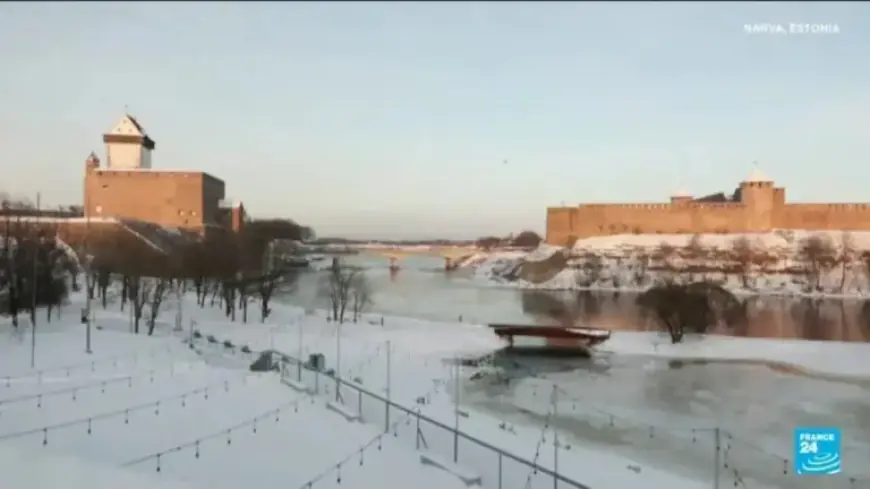
Estonia’s border town of Narva is at the center of an escalating NATO-Russia diplomatic standoff. This region, which is predominantly Russian-speaking, has seen significant changes since 2022, reflecting heightened tensions.
Fortifications and Policy Changes
In response to the geopolitical climate, Estonia has reinforced its border by introducing anti-tank obstacles. The government has also taken steps to reduce its connections with Moscow. These measures are part of a broader strategy to enhance national security amid regional instability.
Language and Voting Regulations
In Narva, where approximately 95% of the population speaks Russian, the Estonian government has mandated the use of the Estonian language in schools. This policy aims to promote integration but has sparked controversy among residents.
Furthermore, there has been a recent decision to ban Russian citizens from voting in local elections. This move has intensified feelings of division within the community, as many locals navigate their identities amid rising nationalism.
Community Sentiments and Tensions
Residents of Narva feel increasingly caught between two worlds. There is a growing fear due to ongoing provocations from Russia, such as the removal of border buoys. These actions have fueled anxiety and uncertainty among the population.
Conclusion
As the NATO-Russia diplomatic standoff continues, Narva remains a focal point of tension. The town’s unique cultural and linguistic landscape complicates its position in this geopolitical conflict.
- Location: Narva, Estonia
- Population: 95% Russian-speaking
- Key changes since 2022: Enhanced border security and changes in voting laws