























Jared McCain Traded to the Oklahoma City Thunder: Deal Terms, Injury Context, and What It Means for OKC and the Sixers

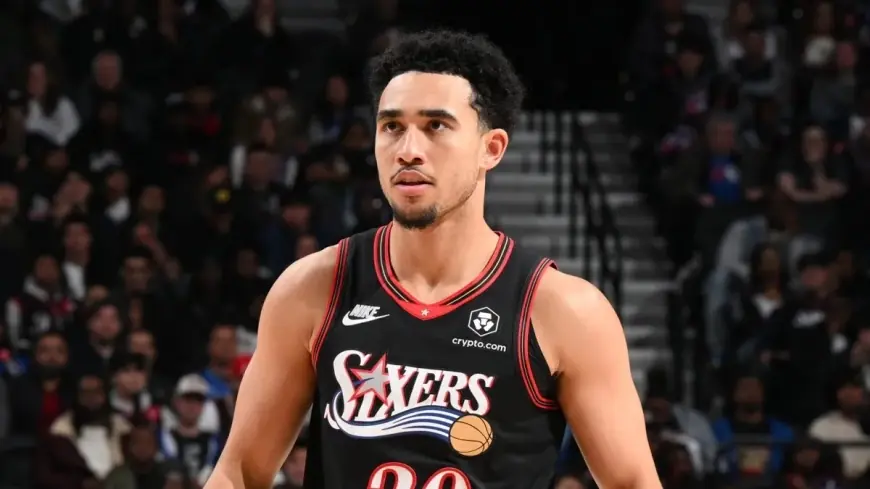
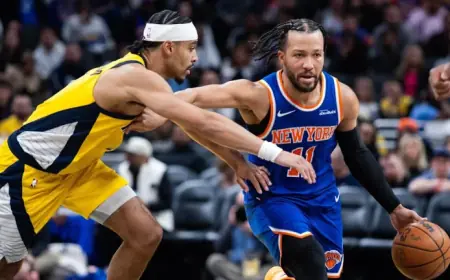
Jared McCain is headed to the Oklahoma City Thunder in a trade that reshapes the margins for a defending champion while signaling a different set of priorities in Philadelphia. The move, completed ahead of the 2026 NBA trade deadline, sends the second-year guard from the 76ers to OKC for a bundle of future draft picks, turning a once-core development piece into immediate roster optionality for the Thunder.
The trade matters for two reasons at once. For OKC, it is a rare in-season talent bet from a front office that typically prefers patience. For the Sixers, it is a clear pivot toward asset flexibility and financial maneuvering rather than adding win-now help.
What happened in the Jared McCain trade
Oklahoma City acquired Jared McCain from Philadelphia in exchange for four future draft picks. The centerpiece is a 2026 first-round pick originally belonging to Houston that OKC controlled, plus three second-round picks in future years. In plain terms, the Thunder paid a meaningful pick package for a young guard whose value is tied to skill development, health, and fit more than proven production.
McCain, 21, has averaged 6.6 points and 1.7 assists across 37 games this season while playing about 17 minutes per night. His role fluctuated in Philadelphia, and the trade effectively ends the experiment of trying to develop him inside a crowded backcourt while competing around established stars.
Jared McCain injury timeline: why health is part of the story
McCain’s first two seasons have been shaped by stops and starts. A knee injury ended his rookie year early, disrupting what had been a fast-rising trajectory. This season, he has worked his way back into rhythm, but the combination of recovery ramp-up, uneven minutes, and a changing role has capped his numbers and consistency.
For OKC, the injury context is not a footnote. The Thunder are buying into a player they believe can scale up with continuity and a defined role, but the risk is that the most valuable version of McCain remains theoretical if health interrupts again.
Why the Thunder made this trade now
Oklahoma City’s roster strength is depth and versatility, but repeating as champion is usually decided by small margins: a second-unit creator who can survive playoff switches, a guard who can punish soft closeouts, a player who can swing a quarter when the offense stalls.
McCain profiles as a bet on two traits OKC tends to prize:
-
Shot-making gravity, especially when defenses load up on the top options
-
A development arc that could turn a rotation player into a playoff weapon over the next two seasons
The Thunder can afford patience because they are not desperate for him to be great immediately. They are also uniquely positioned to spend draft capital because of how many picks they already control.
Why the Sixers moved him: the incentives behind the headline
Philadelphia’s incentive structure is different. The Sixers are balancing a win-now timeline with roster costs, tax pressure, and the reality that not every young player can get the minutes needed to grow. In that environment, McCain becomes both an opportunity cost and an asset.
This trade reads like a conversion: turn a young guard with uncertain role and health variability into a package of picks that can be used later, either to chase a veteran, grease a larger multi-team deal, or reset the bench pipeline with cheaper contracts.
Stakeholders are clear:
-
The Thunder want a controllable, ascending contributor without sacrificing core pieces.
-
The Sixers want flexibility and optionality without worsening the current rotation.
-
McCain wants stability, minutes, and a development plan that matches his strengths.
What we still don’t know
Several key questions will determine whether this becomes a win-win deal or a lopsided one:
-
McCain’s exact role in OKC’s rotation, especially late-game and playoff minutes
-
Whether OKC views him as a long-term backcourt piece or a movable asset in a future package
-
How aggressively Philadelphia uses the picks, and whether they translate them into immediate roster upgrades
What happens next: realistic scenarios and triggers
-
McCain becomes a high-leverage bench scorer by April if he earns consistent minutes and simplifies his shot diet within OKC’s system.
-
He starts slow and stays a situational option if health, defense, or role clarity lag behind OKC’s title-level standards.
-
The Thunder keep him as a development swing through next season, betting on a year-over-year leap rather than instant impact.
-
The Sixers flip some of the acquired draft capital into a veteran later this season if their standings position demands immediate help.
-
The deal looks brilliant for Philadelphia if McCain struggles to crack the playoff rotation while the picks turn into a more reliable contributor.
The practical takeaway: OKC is wagering that a young guard with real offensive upside is worth premium draft ammunition because championships are defended by incremental edges. Philadelphia is wagering that flexibility, picks, and cost control will create a better path to sustained contention than a squeezed development project.