

























Epstein Files Update 2026: What Was Released, What It Actually Shows, and What Still Isn’t Proven

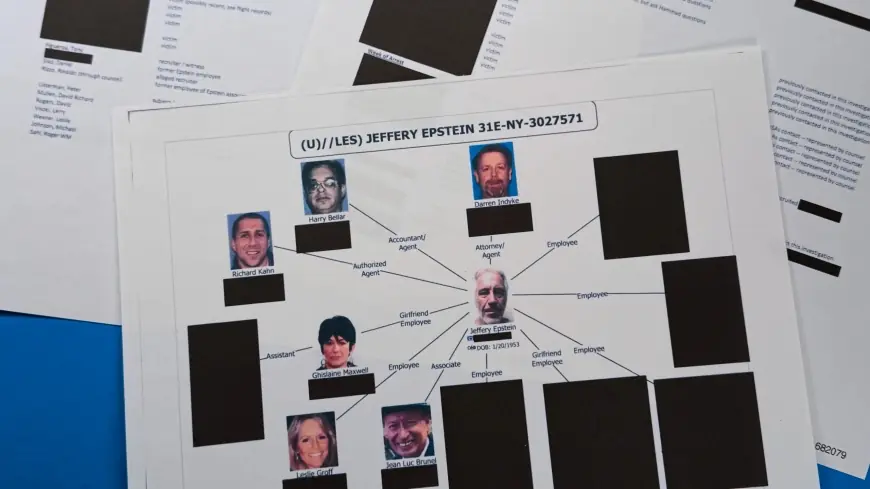
A new wave of “Epstein files” material has landed in early 2026, pushing Jeffrey Epstein back to the center of U.S. political and cultural debate. The latest update is not a single dramatic reveal so much as a massive disclosure effort: millions of pages, plus images and videos, published under a federal transparency law signed in late 2025. The practical impact is that the public, researchers, and lawmakers can now sift through far more raw material than before, while the most sensitive details remain heavily redacted to protect victims.
The Grammys-level celebrity chatter has collided with legal reality: names appearing in documents, contact lists, photos, or travel-related materials do not automatically equal criminal conduct. The most important story right now is the scale, the gaps, and the fight over what is missing.
What are the Epstein files, exactly
In 2026, “the Epstein files” generally refers to government-held records connected to investigations and prosecutions related to Jeffrey Epstein and associated figures, along with materials collected from searches and evidence repositories. That can include emails, address books, interview notes, flight-related records, financial references, photos, videos, and assorted investigative paperwork.
Two things are true at the same time:
-
The material can provide real leads about networks, enablers, and patterns.
-
The material can also contain rumors, third-hand claims, and sensational assertions that were never validated.
That distinction matters because the internet often treats any mention of a person as a conviction. It is not.
What’s new in the Epstein files update in 2026
The 2026 update is defined by volume and structure. The Department of Justice has publicly framed the releases as rolling disclosures, ultimately totaling roughly three and a half million pages, plus large batches of images and thousands of videos. The government also created a centralized public-facing library interface designed for searching and downloading the releases, with warnings that some content may not be reliably searchable due to formats like handwriting.
At the same time, the update has triggered a new accountability fight inside Washington. Lawmakers and watchdog groups are arguing over whether the final production is truly complete, whether any categories of communications were improperly withheld, and whether Congress should be allowed to review unredacted versions in a secure setting. That dispute is now part of the story, not a side note.
Trump, Clinton, Gates, Jay-Z: what to do with famous names in the files
Searches like “trump epstein files,” “bill clinton epstein,” “bill gates epstein,” and “jay z epstein news” keep spiking because the releases and older case materials contain references to prominent people. The key point is this: a name appearing in raw records can mean many things, including nothing more than a mention, a contact entry, a photo context, or an unverified allegation someone told investigators.
As of the latest 2026 releases, public discussion is still dominated by association rather than proven conduct. If you see viral claims that someone was “confirmed” or “exposed” solely because their name appears in a document dump, treat that as unconfirmed unless it is tied to a clearly stated, corroborated allegation and a verifiable investigative action.
Epstein island: where it is, and why the location still matters
“Epstein island” typically refers to Little Saint James in the U.S. Virgin Islands, where Epstein maintained a private property. The location remains central because it was repeatedly cited in civil litigation, witness accounts, and investigative timelines. In the current update cycle, it also matters for a more mundane reason: large photo sets and property-related documentation can help corroborate dates, visitors, staffing patterns, and physical layouts, even when names are redacted.
Behind the headline: incentives, stakeholders, and the real battle over transparency
Incentives are colliding:
-
The government wants to demonstrate transparency while avoiding re-traumatizing survivors, exposing minors, or compromising legitimate privacy and security considerations.
-
Lawmakers want leverage and visibility, especially when political opponents can be linked, even loosely, to a notorious figure.
-
Online creators want virality, which rewards certainty even when the truth is messy.
-
Survivors and advocates want accountability without turning evidence into entertainment.
The stakeholders include victims first, then the justice system’s credibility, elected officials, anyone unfairly smeared by rumor, and the public trying to separate signal from noise.
Second-order effects are already visible: renewed calls for reforms in how sex-trafficking investigations are handled, how evidence is stored and disclosed, and how conspiratorial narratives metastasize when large document dumps hit the public without context.
What we still don’t know, and what to watch next
Several missing pieces will shape the next phase:
-
Whether the releases are fully complete under the law, or whether additional tranches will be compelled through oversight pressure
-
How much of the most actionable material remains locked behind redactions that protect victims but also limit public understanding
-
Whether specific investigative leads emerge that can be verified independently, rather than recycled as internet lore
Also watch for conspiracy spillover. Terms like “pizza gate” and claims involving foreign intelligence services routinely surge around Epstein-related news. Many of these narratives are unsubstantiated, and document dumps can be selectively clipped to make false stories look “proven.”
What happens next: realistic scenarios with triggers
-
Secure congressional review expands if more officials demand access to unredacted files and procedures are agreed to protect victims.
-
A compliance audit accelerates if credible allegations persist that required categories of records were omitted.
-
Targeted prosecutions or civil actions follow if newly surfaced materials provide corroborated, actionable evidence beyond what was previously litigated.
-
Public trust deteriorates further if the releases remain too sprawling for ordinary people to interpret, leaving the vacuum to viral misinformation.
-
Survivors’ privacy becomes the flashpoint if bad actors publish identifying details, triggering tighter controls and potential legal responses.
Why it matters: the Epstein files are no longer just about one man’s crimes. They have become a stress test for institutional transparency, political incentives, and the public’s ability to handle raw evidence without turning it into a rumor mill.