






















Chappell Roan at the Grammys 2026: The Nipple-Ring Dress Moment, the Red Carpet Backstory, and Why It Lit Up the Night

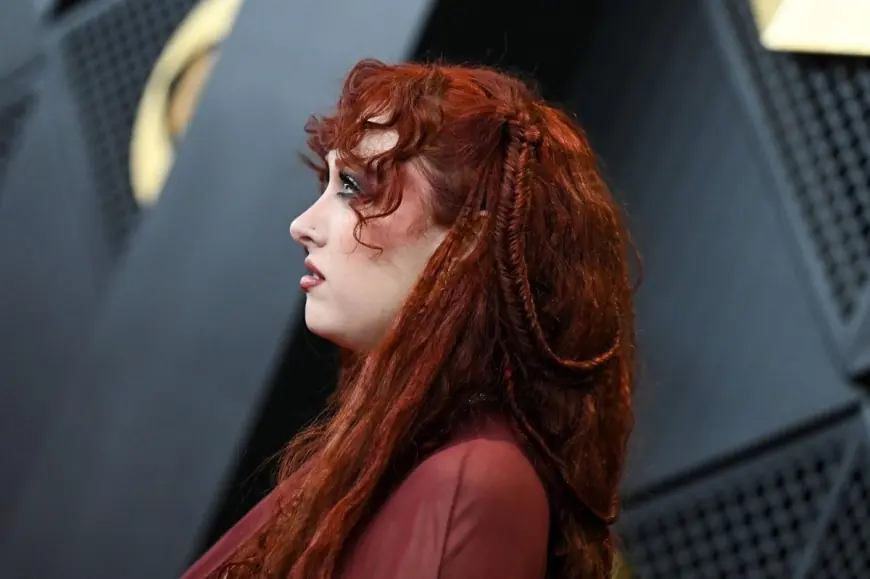
Chappell Roan’s Grammys 2026 appearance turned into one of the most talked-about fashion and culture flashpoints of the awards season, thanks to a sheer, archival-inspired gown engineered to look boundary-pushing while staying on the right side of broadcast standards. The result: a “naked dress” headline that wasn’t just about shock value, but about craftsmanship, control, and a pop star doubling down on the visual world that helped launch her into the mainstream.
The Grammy Awards ceremony aired Sunday, February 1, 2026, beginning at 8:00 p.m. ET, with earlier awards handed out during the daytime Premiere Ceremony.
Chappell Roan’s Grammy outfit: the “nipple ring dress” that wasn’t what it looked like
On the red carpet, Roan wore a sheer maroon gown associated with Mugler’s late-1990s couture language, styled around faux nipple-ring hardware and body-focused detailing. The key point that fueled both fascination and debate is that the most provocative element was not “exposure” in a literal sense. The look relied on prosthetic covers and special-effects technique to create the illusion of piercings and placement, with additional materials reinforcing the structure so it read clearly under bright lights and cameras.
That technical choice matters because it reframes the conversation. This wasn’t a wardrobe malfunction waiting to happen. It was a deliberately built costume piece: controlled, tested, and executed to land precisely where Roan wanted it—edgy enough to dominate the photo cycle, but engineered to avoid the kind of compliance issues that can derail a live broadcast.
Who is Chappell Roan, and why her Grammys look fits her brand
If you’re searching “who is chappell roan,” the short answer is: a pop artist whose rise has been accelerated by theatrical styling, high-concept performances, and an audience that treats her aesthetic as part of the music. She’s closely associated with big, character-forward pop presentation—glam that reads like stage design, not just fashion.
Her fan-favorite “Pink Pony Club” era helped lock in her campy, liberated persona, and the Grammys have become a natural stage for that identity. After a breakout awards-season run in 2025, her 2026 Grammys night was positioned to confirm she’s not a one-cycle phenomenon. The dress functioned like a thesis statement: her visual language is not an accessory to the songs; it’s part of the product.
Behind the headline: incentives, stakeholders, and why this kind of outfit keeps winning the red carpet
Incentives:
Roan’s incentive is obvious: attention is currency. A red carpet is a global ad slot, and fashion risk is one of the few levers an artist can fully control in a tightly managed awards ecosystem. For designers and stylists, the incentive is equally clear: a single viral look can define an entire season’s cultural memory.
Stakeholders:
-
Roan and her team: brand building, cultural positioning, and maintaining momentum between releases
-
Awards organizers and broadcasters: keeping the show edgy enough to feel current, but safe enough for standards and advertiser comfort
-
Design houses and stylists: turning a one-night moment into long-term demand
-
Fans and critics: debating agency, empowerment, and what “boundary-pushing” should mean in mainstream pop
What changed vs. what’s ongoing:
The “naked dress” trend is ongoing, but what’s changed is how often these looks are now engineered illusions. The modern version is less about accidental risk and more about precision design—creating the appearance of transgression while minimizing unpredictability.
What we still don’t know: the missing pieces that will shape the next week
A few things remain fluid even after the photos settle:
-
Whether Roan’s team will provide more detail about the construction and decision-making, or let the mystique do the work
-
Whether any behind-the-scenes friction emerged around standards, rehearsal, or approval processes
-
How the moment translates into Roan’s next release cycle—music video aesthetics, tour visuals, and merchandising
These details determine whether the outfit remains a one-night headline or becomes a lasting chapter in her creative narrative.
Grammy outfits beyond Roan: where Jamie Foxx fits into the 2026 style storyline
Roan wasn’t the only name feeding the Grammys fashion conversation. Jamie Foxx also drew attention for a retro-leaning, patterned suit that leaned into classic showmanship—less “shock,” more polish and presence. In the same room as experimental couture statements, that kind of tailored throwback reads like its own counter-programming: confident, camera-ready, and intentionally timeless.
That contrast is part of why Grammys red carpet coverage keeps thriving: the night rewards both extremes—high-concept provocation and classic star power—because both generate shareable images and clear narratives.
What happens next: realistic scenarios and triggers
-
A styling blueprint emerges: other artists adopt the “engineered illusion” approach—provocative visuals built with prosthetics and reinforcement—triggered by the success of Roan’s attention cycle.
-
A standards tightening: if organizers feel the moment pushed too close to the line, next year’s guidelines become more explicit, triggered by sponsor or internal pressure.
-
Roan doubles down: her next tour visuals and performances lean even harder into couture-surrealism, triggered by fan enthusiasm and the fashion-world response.
-
The backlash becomes the marketing: if controversy persists, it fuels streaming and ticket demand, triggered by debate cycles that keep her name trending beyond awards week.
-
A pivot to “craft” coverage: the discourse shifts from “was it too much” to “how it was made,” triggered by behind-the-scenes reveals from artists and their glam teams.
Roan’s Grammys 2026 dress moment worked because it wasn’t random. It was a carefully built image with clear intent: to make the red carpet feel like her stage, and to remind everyone that in modern pop, the outfit is often the opening act.