

























Trump Posts Video Depicting Obamas as Apes

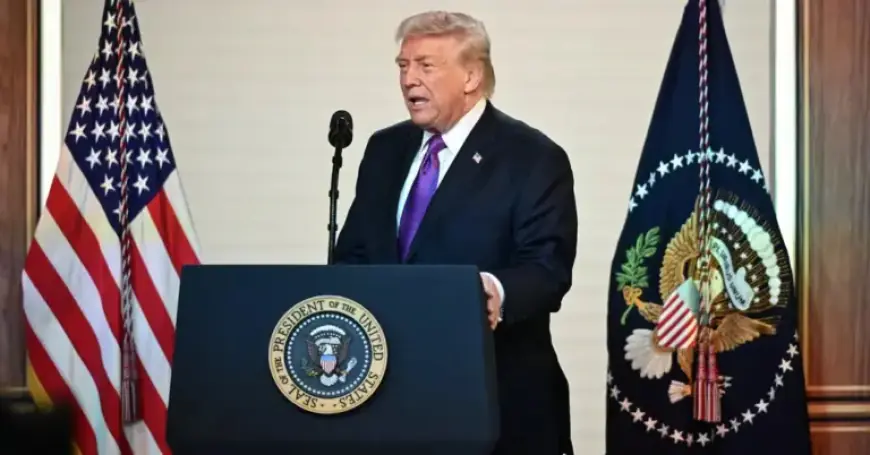
Late Thursday night, former President Donald Trump shared a controversial video that depicted Barack and Michelle Obama as apes. This brief clip was an excerpt from a 62-second video promoting conspiracy theories regarding the 2020 presidential election.
Details of the Video
The particular segment Trump shared was set against the backdrop of “The Lion Sleeps Tonight.” It was initially posted in October by a user on X, featuring the caption “President Trump: King of the Jungle” accompanied by a lion emoji. In this video, other prominent Democratic figures were also depicted as various animals. This included:
- Hillary Clinton as a zebra
- Alexandria Ocasio-Cortez as a giraffe
- Joseph R. Biden Jr. and Kamala Harris as other animals
Trump was represented as a lion, with all the characters bowing to him at the video’s conclusion.
Reactions to the Clip
In response to inquiries about the video, White House Press Secretary Karoline Leavitt described the backlash as “fake outrage.” She reiterated that it was part of an internet meme depicting Trump as the “King of the Jungle.”
However, the portrayal of the Obamas in this manner has historical implications. It echoes racist tropes historically used to dehumanize Black individuals, a tactic employed by slave traders and segregationists to justify violence against them.
Criticism from Public Figures
California Governor Gavin Newsom condemned Trump’s post as “disgusting behavior.” He urged all Republicans to denounce this representation immediately. Meanwhile, Ben Rhodes, an Obama administration official, expressed his disdain, labeling Trump “a stain on our history.”
Context of Trump’s Conduct
This incident marks another instance in which Trump has made derogatory comments about people of color, women, and immigrants. Such actions contribute to a broader narrative of division and disrespect in political discourse.
The recent video involving the Obamas highlights ongoing tensions in American politics and underscores the importance of understanding the implications of such portrayals.