























Comer Sets Precedent by Forcing the Clintons to Testify on Epstein

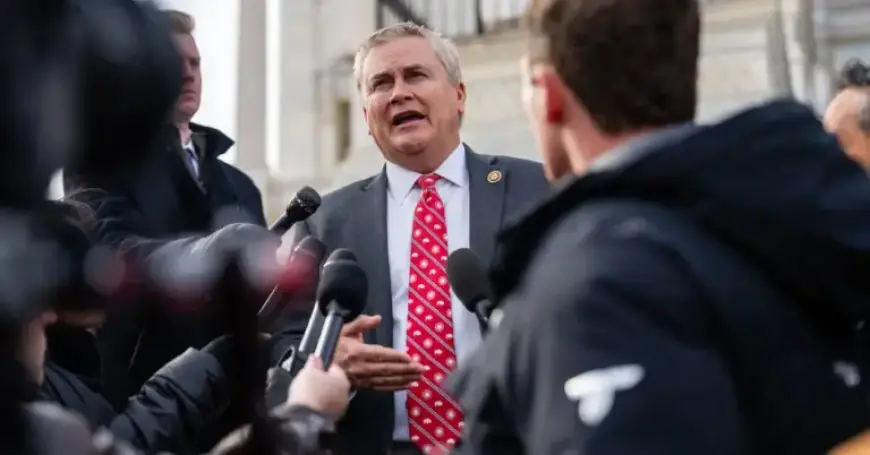
The recent decision by House Republicans to compel Bill and Hillary Clinton to testify marks a significant moment in congressional history. This event, led by Representative James Comer from Kentucky, chairman of the Oversight Committee, has set a novel precedent. For the first time, former presidents can be subpoenaed to testify before Congress, specifically in relation to the investigation into Jeffrey Epstein.
Historic Subpoena Case
This unprecedented move against the Clintons illustrates a shift in the power dynamic between congressional and executive branches. Comer’s strategy reflects a broader trend of Congressional actions targeting political adversaries. Experts warn that this could undermine democratic norms.
Concerns Over Abuse of Power
- Historian Douglas Brinkley labeled the move as indicative of behaviors seen in authoritarian regimes.
- Representative Jamie Raskin emphasized the potential for congressional powers to be abused.
Yet, while some view this as an abuse of government power, others see it as an opportunity. Democrats believe it creates a precedent for future investigations into former President Trump and his associates once political power shifts.
Political Implications
Comer’s actions may have long-term consequences for the Republican Party and ongoing investigations. He has previously targeted former presidents and presidential nominees, including Hunter Biden, in various inquiries. His approach towards the Clintons has raised questions about the necessity of subpoenas when voluntary testimony could have been achieved.
Responses from Political Figures
Some Democrats expressed skepticism about the need for such a drastic step. Comments from Representative Robert Garcia highlight this sentiment, underscoring the lack of evidence linking the Clintons to vital information regarding Epstein.
Even Trump, who has fueled political attacks against the Clintons, expressed regret over their predicament. “It’s a shame, to be honest,” he stated, despite his previous calls for their imprisonment.
Future of Congressional Investigations
The circumstances surrounding the Clinto testimony raise essential questions about the future of congressional oversight. Experts emphasize the dangers of initiating investigations with subpoenas rather than cooperative testimony. Without a plan to encourage dialogue, parties involved might resist sharing information.
Impact on Democratic Norms
Comer’s actions have sparked discussions among lawmakers regarding the ethical implications of dragging individuals into congressional hearings for political purposes. Raskin suggested that, in the long run, this may allow Congress to address pressing issues of lawlessness more effectively.
The legal landscape surrounding such investigative tactics remains complex and subject to interpretation. The outcome of the Clintons’ testimony may shape how future congressional inquiries are conducted, indicating a shift in political strategy across party lines.