
























Can Trump Nationalize Elections? Constitutional Barriers Explored

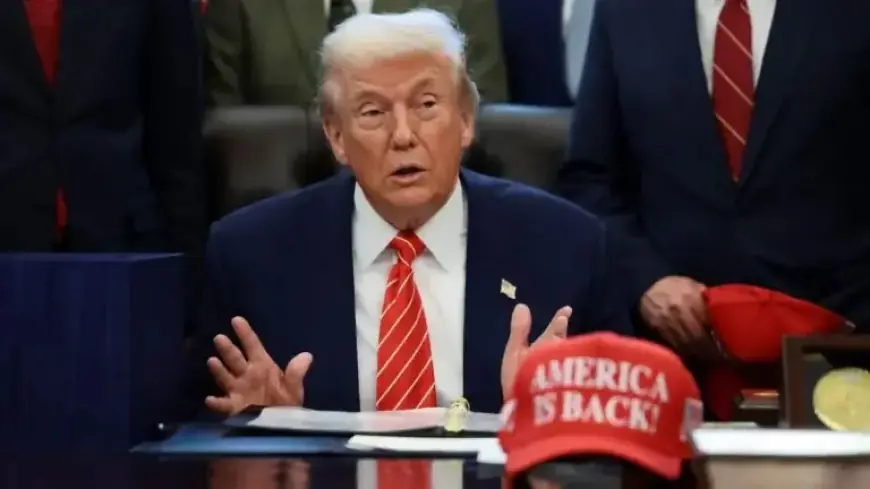
Recent remarks by President Donald Trump regarding election administration have sparked significant concern among election experts. His suggestion for Republicans to “nationalize the voting” raises questions about the constitutional limits of federal authority in overseeing elections.
Trump’s Election Nationalization Proposal
Trump’s proposal emerges from commentary made during an interview with right-wing podcaster Dan Bongino. He indicated that Republicans should claim control over voting in “at least 15 places,” though the specific locations he referred to remain unclear. Experts warn that these statements could lead to unprecedented federal involvement in elections, potentially undermining state authority.
Constitutional Constraints
The U.S. Constitution strictly divides powers related to election administration between state and federal governments. The key provision, found in Article I, Section IV, known as the “Elections Clause,” charges state legislatures with overseeing the conduct of elections, while granting Congress the power to regulate election procedures.
The Role of State and Federal Governments
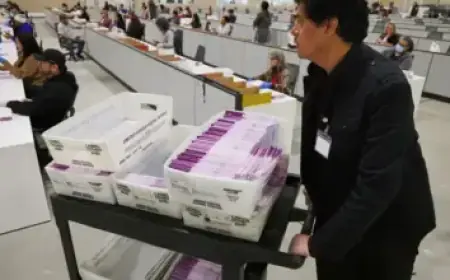
- States manage election logistics, including polling places, early voting days, and mail-in voting regulations.
- Congress can set baseline standards for federal elections, but has largely refrained from exerting this power.
Colorado Secretary of State Jena Griswold emphasized that Trump’s push could conflict with this constitutional framework, stating, “The Constitution prevents federalizing elections.” Such a move, Griswold argues, could undermine democratic processes.
Recent Developments and Responses
Trump’s remarks followed notable political events, including a recent Democratic victory in the Texas Senate and ongoing investigations into election practices in various states. These developments have heightened scrutiny on Trump’s comments. Lori Ringhand, a constitutional law professor, condemned Trump’s rhetoric, asserting the peaceful transfer of power is fundamental to democracy.
Potential Legislative Action
While Trump expressed a desire for Congress to consider nationalizing elections, experts caution that constitutional barriers make unilateral action infeasible. Trump’s references to the SAVE Act, aimed at voter registration standards, do not directly support federal control over election processes.
Implications of Nationalization
Experts predict that a federal takeover of election management may lead to logistical challenges, complicating compliance with varied state regulations. The decentralized nature of U.S. electoral processes is designed to mitigate risks of widespread fraud and interference.
Public Sentiment and Legislative Landscape
Legal professionals from both parties have largely distanced themselves from Trump’s vision of nationalized elections. The bipartisan consensus against such a shift reflects a commitment to preserving state autonomy in election administration.
Trump’s ongoing push to alter the electoral landscape raises critical questions for lawmakers. As the debate continues, it remains essential to monitor developments in election policies, ensuring adherence to constitutional guidelines.
Conclusion
Calls to nationalize elections by President Trump challenge the established legal framework governing U.S. democracy. With legal experts, political scientists, and election officials warning against such measures, a dialogue on the balance of power between states and the federal government is more essential than ever. Understanding these dynamics is critical for maintaining the integrity of the electoral process.