Ryan Routh Sentenced to Life in Prison for Florida Golf-Course Assassination Attempt on Donald Trump

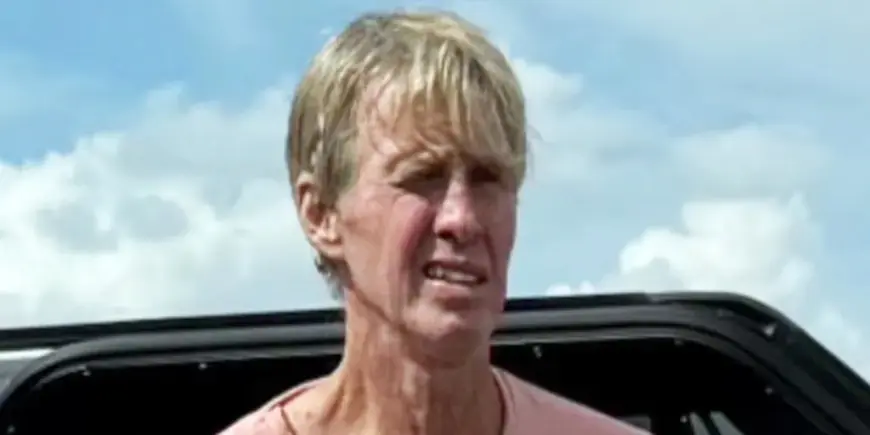
Ryan Routh was sentenced Wednesday, February 4, 2026, to life in federal prison for attempting to assassinate Donald Trump during the 2024 campaign at Trump’s West Palm Beach-area golf course, a case that became one of the most politically charged criminal prosecutions of the past election cycle. The sentence was imposed in federal court in Fort Pierce, Florida, after a jury conviction last fall on multiple counts tied to an alleged, months-long plot.
The ruling closes the trial phase but keeps the broader debate alive: how the U.S. protects high-profile candidates in public settings, how investigators interpret intent when a shot is never fired, and how political violence reverberates long after a single incident is stopped.
What happened: the plot investigators say was stopped before it turned deadly
Prosecutors said Routh, 59, positioned himself near the perimeter of the golf course with a semi-automatic rifle and other equipment, waiting in concealment for an opportunity to shoot Trump. The incident ended when a Secret Service agent spotted him and fired, prompting Routh to abandon the weapon and flee. He was later arrested after a vehicle stop.
Investigators described a preparation trail consistent with premeditation: multiple phones, false names, body armor, and surveillance-related items. In court, the government argued the actions were not spontaneous, but deliberate planning that created an imminent and extraordinary risk.
A key feature of the case is that Trump was not struck and Routh did not fire at him. That did not reduce the seriousness at sentencing. The court accepted the government’s framing that the attempt itself—combined with the alleged planning and the presence of a rifle near the candidate—met the legal threshold for attempted assassination.
The sentence: why the court went to life
At sentencing, prosecutors pressed for the harshest outcome, emphasizing two themes: the danger of the conduct and the need for deterrence in an era of rising political threats. The judge agreed, imposing a life term on the core count and adding an additional consecutive prison term on a firearms conviction.
The court’s approach reflects how federal sentencing often treats high-stakes public-safety cases: the fact pattern is evaluated not only by what happened, but by what would likely have happened absent intervention. In other words, the “near miss” becomes part of the aggravation, not a mitigating factor.
Behind the headline: why this case became a proxy battle over political violence
Routh’s sentencing is more than one defendant’s fate. It has become a symbol for three competing narratives:
-
A security narrative: protecting candidates is harder when public events are frequent, venues are open, and threats can be improvised.
-
A political narrative: each side sees risk in conceding anything that benefits the other side’s storyline about violence, disorder, or institutional competence.
-
A media narrative: high-profile threats produce instant attention, which accelerates public judgment before all facts are digested.
The incentives for stakeholders are blunt. Law enforcement agencies need to demonstrate competence and resolve. Politicians need to show empathy without seeming opportunistic. Courts need to signal that would-be attackers cannot expect leniency simply because they were stopped in time.
What we still don’t know: the gaps that matter even after sentencing
Even with a life sentence, major questions remain unresolved in the public mind:
-
Motive in full: the prosecution described intent to kill, while the defense posture sought to complicate the narrative of direct intent. The legal verdict settled guilt, but not every psychological or ideological “why.”
-
The precise operational timeline: public summaries outline hours of waiting and preparation, but the minute-by-minute sequence of decisions—what triggered movement, when concealment began—still shapes how security planners learn from the case.
-
Copycat risk: authorities tend to hold back certain tactical details to avoid creating a blueprint for imitators. That can leave the public with an incomplete picture by design.
Second-order effects: what this means for campaigns, venues, and the Secret Service
The most immediate ripple is procedural. Campaigns and protective details have already moved toward tighter perimeters, quicker venue sweeps, more aggressive management of sightlines, and greater scrutiny of areas outside event boundaries that can still create risk.
Another effect is political normalization of security theater: more barricades, more controlled access, more distance between candidates and the public. That can reduce risk, but it also changes the texture of democratic campaigning, making some events feel less accessible and more militarized.
Finally, there is the deterrence question. A life sentence is meant to discourage future plots, but deterrence is not guaranteed when offenders are driven by grievance, notoriety, or distorted beliefs. The stronger lesson may be operational: early detection, layered perimeters, and rapid response remain the best prevention.
What happens next: the realistic paths from here
Several outcomes are now likely:
-
An appeal effort, focused on trial rulings and sentencing arguments, even if the odds are long in a fully litigated federal case.
-
Continued security tightening ahead of major public appearances in 2026, especially in outdoor or semi-public settings.
-
A broader policy push for candidate-protection funding and standards, triggered by any new attempted incidents.
-
Ongoing political debate over whether institutions are preventing violence effectively, reignited whenever campaign season heats up.
Routh’s life sentence marks a decisive legal endpoint for one of the most alarming episodes of the 2024 election cycle. But the underlying issue—how a modern political system absorbs and responds to violent threats—remains unsettled, and the next tests will come not in a courtroom, but in the open spaces where campaigns still try to meet voters.