
























Fallout Countdown Timer Hits Zero and Fans Don’t Get a Fallout 3 or New Vegas Remaster, Just a “Fallout Explorer” Website Reveal

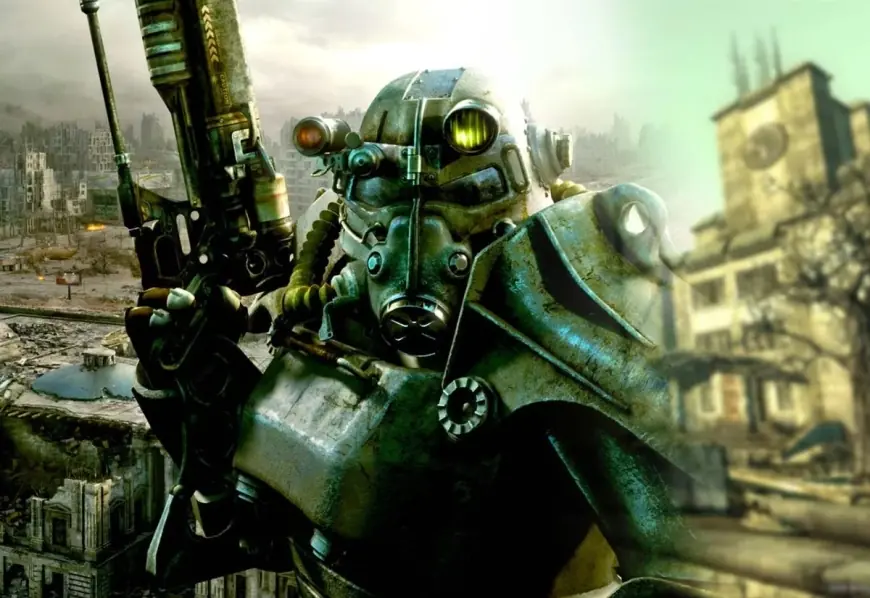
A mysterious Fallout website countdown timer that had fueled weeks of “Fallout remaster” speculation finally reached zero on Wednesday, February 4, 2026, ET—and the result was not the long-rumored Fallout 3 remaster or a Fallout: New Vegas remaster announcement. Instead, the timer unlocked a new interactive, behind-the-scenes web experience tied to the Fallout show, leaving many fans frustrated and reigniting a familiar question: is the franchise’s marketing machine now leaning harder on cross-media promotion than on new game news?
The twist is that the countdown wasn’t meaningless. It simply pointed to a different kind of drop than the community had hoped for: a browser-based “explorer” feature that expands the show’s world-building with a new location to click through, rather than a game trailer, remaster confirmation, or release date.
What happened with the Fallout countdown timer
The Fallout countdown appeared on an official show-related site and lined up closely with the timing of the season’s finale-week attention cycle. As the clock wound down, online chatter intensified around three expectations:
-
A Fallout 3 remaster reveal
-
A Fallout: New Vegas remaster announcement
-
A broader “Fallout announcement” from the game studio behind the series
When the countdown ended on February 4, the site updated to unlock a new interactive feature—effectively a promotional, explorable environment built to deepen the show’s setting and production lore. Fans immediately began labeling it a bait-and-switch, while others argued it was always a show tie-in and the remaster narrative was self-generated.
Why people expected a Fallout remaster in the first place
The remaster theory did not come out of nowhere. It was built from a pile of signals that looked meaningful when stacked together:
-
The franchise has a long history of anniversary-style re-releases and expanded editions across modern platforms.
-
Fallout 3 and Fallout: New Vegas remain two of the most requested remaster candidates in the community.
-
The show’s recent storyline focus has pushed viewers toward the older games’ locations and characters, making a remaster feel like a natural “synergy” move.
-
A countdown timer is, culturally, the language of reveals: it trains audiences to expect a trailer at zero.
The problem is that hype is not confirmation. A timer can point to anything, and in this case it pointed to marketing content, not a product launch.
Behind the headline: incentives and why the timer led to a show promo, not a game
This moment is a snapshot of the incentives shaping big entertainment franchises right now.
The streaming side wants engagement that’s immediate, measurable, and social-clip friendly. A countdown drives exactly that: daily check-ins, speculation threads, and a built-in “watch party” vibe when it ends.
The game side operates on longer development timelines and higher opportunity costs. Announcing a remaster too early can backfire if the release date slips, if licensing issues emerge, or if the studio decides the project is not ready to show. In that context, the safer play is to let the show carry attention while games stay quiet until there is something firm.
Stakeholders and pressure points look like this:
-
Fans want clarity and releases, not teases.
-
The show team benefits from interactive promos that keep viewers inside the show’s ecosystem.
-
The game publisher benefits from renewed franchise interest but risks backlash if it appears to be stalling on game news.
-
Retail and platform partners, if a remaster exists, would want a coordinated rollout—something a simple website timer is unlikely to represent on its own.
What we still don’t know
Even after the countdown resolves, the big missing pieces remain:
-
Whether a Fallout 3 remaster or New Vegas remaster is in active production, paused, or shelved
-
Whether the game studio has any near-term Fallout announcement planned for 2026
-
Whether the countdown was ever intended to be interpreted as a game tease or was purely positioned as a show unlock
The silence on those questions is exactly why the rumor cycle persists. When there’s no definitive “yes” or “no,” speculation becomes the default content.
What happens next: realistic scenarios and triggers
-
A clarifying statement appears later this week
Trigger: sustained backlash threatens to overshadow the show’s finale-week momentum. -
The game publisher stays quiet, and rumors cool off temporarily
Trigger: fans accept the timer outcome and move on until the next event window. -
A remaster announcement arrives months later, unrelated to the timer
Trigger: the studio reaches a milestone where it can confidently share a release window. -
More interactive show drops replace traditional trailers
Trigger: the show team sees strong engagement metrics from the explorer-style content. -
Community trust takes a hit for the next “countdown” moment
Trigger: fans treat future timers as marketing-first unless proven otherwise.
Why this matters for Fallout fans
The Fallout countdown timer didn’t fail because it delivered nothing. It failed because it revealed a widening gap between what fans want most—clear game news, especially around classic titles—and what cross-media promotion is optimized to deliver: engagement without commitment.
Until there’s a direct, dated statement about remasters, every ticking clock will keep pulling the community into the same loop: hope, hype, and disappointment at zero.