





















Serena Williams Sparks Comeback Buzz Again as Super Bowl Ad and Testing-Pool Move Put Tennis Back in the Conversation

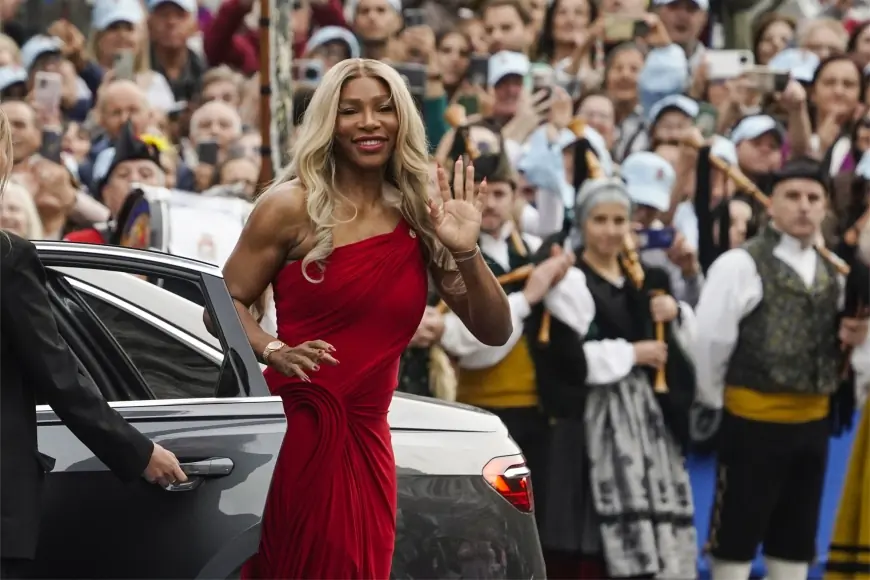
Serena Williams is back at the center of the sports conversation, not because she has announced a return to competition, but because a cluster of recent developments has made the idea feel newly plausible. In recent days, Williams has appeared in a high-profile Super Bowl commercial discussing weight-loss medication and health changes, while the tennis world continues to react to confirmation that she re-entered the sport’s anti-doping testing pool, a procedural step required before any competitive comeback.
Williams, 44, has repeatedly emphasized that her priority remains family life and business ventures. Still, the combination of a public-facing campaign, fresh interview answers that leave the door slightly ajar, and the formal testing status has reignited the question fans keep asking: is Serena Williams coming back?
What’s actually happened: the steps that revived the comeback narrative
Three things are driving the current surge in attention.
First, Williams has been featured in a Super Bowl commercial airing Sunday, February 8, 2026, where she talks directly about health outcomes associated with prescription weight-loss treatment, including changes in weight and joint stress. The ad put her in front of a massive mainstream audience at the exact moment sports media is primed for speculation.
Second, tennis officials have confirmed Williams is back in the sport’s drug-testing pool. That does not mean she is returning. It does mean she is eligible to return after meeting the required testing window, which is why the move carries symbolic weight even if no tournament plans exist.
Third, Williams has offered recent public comments that are cautious rather than categorical. She has not announced any matches or a training timeline, but she also has not slammed the door in the definitive way fans expect when a legend is truly done.
Why this is happening now: incentives on both sides of the spotlight
For Williams, the incentives are unusually flexible. She does not need tennis financially, and she does not need it for fame. That gives her the rare ability to treat a comeback as optional, rather than necessary. If she plays again, it can be on her terms: selective events, controlled scheduling, and a story framed around possibility rather than obligation.
For the tennis ecosystem, the incentives are obvious. Even the hint of Serena returning boosts attention around tournaments, television windows, and sponsors. It also energizes a generation of fans who discovered the sport through her dominance. The sport benefits from the conversation even if she never steps on court.
For brands and partners, Williams remains one of the few athletes whose credibility spans performance, entrepreneurship, and cultural visibility. A public health-focused campaign timed to the biggest sports broadcast of the year is a reminder that she still moves mass attention, which can be more valuable than match results.
Behind the headline: stakeholders and the pressure points
This story has more stakeholders than it appears.
Tournament organizers and broadcasters would love a “Serena return” headline, but they also risk backlash if they overhype speculation. Rival players and the players’ association are sensitive to fairness questions, even when a returning legend follows every rule. Fans are divided between excitement and skepticism, and that split can shape how a comeback is received.
There’s also a reputational layer for Williams herself. A return that looks like a marketing stunt could dilute her legacy. A return that looks like a serious competitive choice could enhance it, even if she never wins another title. The difference will come down to one thing: the level of commitment she signals through scheduling and preparation.
What we still don’t know
The public has a lot of inputs, but not the one that matters most: intent.
Key unknowns include:
-
Whether Williams has resumed high-intensity training with the goal of entering tournaments
-
Which surface and events she would target, if any
-
How she would balance competition with her current business and family priorities
-
Whether the testing-pool step was taken to preserve optionality rather than to launch a plan
Until there is an entry list, a confirmed appearance, or a clear announcement, everything remains possibility rather than plan.
The bigger Serena Williams story in 2026: business, ownership, and influence
Even if she never returns to tennis, Williams is entering a new phase of sports power. She has continued expanding her investment footprint through her venture activity and has moved deeper into sports ownership, including ties to a new professional women’s basketball franchise set to begin play in the 2026 season. That matters because it positions her less as a retired athlete and more as a long-term decision-maker in the business of sports.
In that context, the comeback chatter is almost a side plot. Williams’ influence is no longer limited to the court. Her name can elevate a league, validate a product category, and attract institutional attention to women’s sports in a way few figures can.
What happens next: realistic scenarios and triggers to watch
-
A quiet confirmation: she appears on an official tournament entry list, immediately converting speculation into reality.
-
A one-off appearance: a limited exhibition or selective event serves as a test without committing to a full schedule.
-
A clear denial: Williams reiterates, firmly, that she is not returning, cooling the story quickly.
-
A staged rollout: she pairs a return announcement with a documentary-style narrative and controlled media access.
-
No resolution for months: she stays in the testing pool to keep the option alive, while focusing on business and family.
For now, the most accurate framing is simple: Serena Williams has not announced a comeback, but she has taken steps that keep the door open. And in sports, an open door from a legend is enough to set the whole room talking.