

























Penny the Doberman wins Best in Show 2026 as Chesapeake Bay retriever makes history

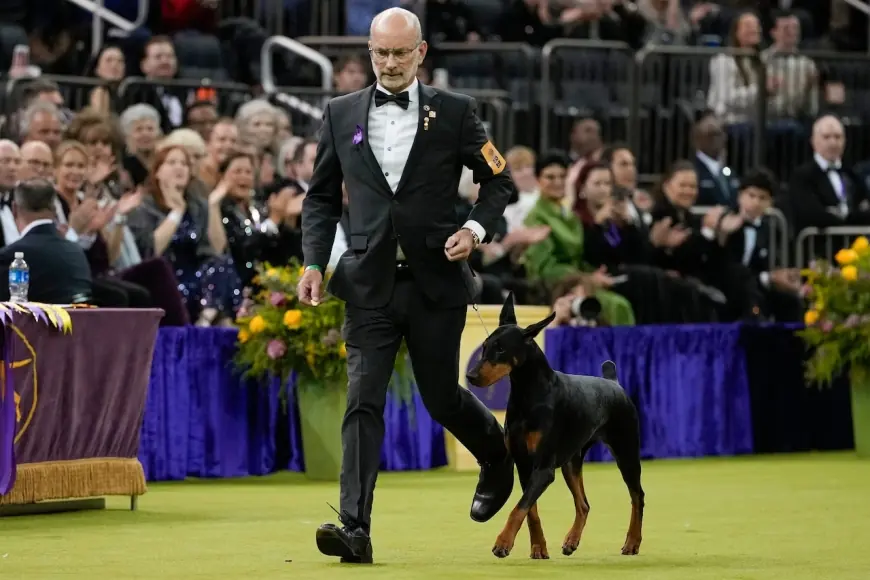
Penny the Doberman pinscher captured Best in Show at the 2026 Westminster Kennel Club Dog Show on Tuesday night, February 3, 2026 (ET), sealing a milestone win at the event’s 150th edition in New York City. The victory put renewed focus on the Doberman’s athletic, high-control style in the ring—and sent curious viewers searching everything from “penny the doberman” to “doberman pinscher” and “doberman” within minutes of the final judging.
Just behind Penny, a Chesapeake Bay retriever named Cota earned Reserve Best in Show, a result that energized fans of a sporting breed that has rarely gotten top billing on Westminster’s biggest stage.
Best in Show 2026 results, at a glance
| Result | Dog | Breed | Notes |
|---|---|---|---|
| Best in Show | Penny | Doberman pinscher | Won the Working Group, then the final round |
| Reserve Best in Show | Cota | Chesapeake Bay retriever | Runner-up, drawing loud crowd support |
The final took place in prime time, with seven group winners advancing to the last judging. Penny’s performance was marked by tight, purposeful movement and the kind of “on the handler” focus that tends to separate champions in conformation.
Why Penny’s Doberman win stood out
Dobermans have long carried a reputation in popular culture that doesn’t always match what judges reward in the ring. Westminster’s conformation judging emphasizes structure, balance, gait, and breed-typical temperament—confidence, steadiness, and control rather than flash for its own sake.
Penny’s win also carried extra weight because it came at a sesquicentennial edition of the show, with a particularly deep field in the final. The dog’s presentation—alert but composed, fast but precise—fit the Doberman’s intended design as a powerful working dog that still moves cleanly and efficiently.
For viewers who only know the breed by stereotype, the night served as a reminder that “Doberman” at this level means refinement: a dog built to do a job, shown with clarity and discipline rather than aggression.
Chesapeake Bay retriever momentum, even without the top prize
Cota’s Reserve Best in Show finish fueled a parallel surge of searches for “chesapeake bay retriever,” and for good reason: the breed isn’t a frequent headline-maker in the final round. The Chesapeake’s calling card is rugged utility—stamina, coat and build suited for cold-water retrieving, and a famously independent, work-first temperament.
In the ring, that can be a tricky balance. Judges still want presence and animation, but the Chesapeake’s identity is purpose-built practicality. Cota’s runner-up result showed how a sporting dog can still command the moment without abandoning what makes the breed distinct.
The crowd reaction mattered, too. When a less-common finalist makes a run, it often boosts interest in the breed’s history, care needs, and suitability as a family dog—topics that can shape demand long after the ribbons are packed away.
Doberman pinscher vs. Chesapeake Bay retriever: what the spotlight changes
Big wins tend to reshape public perception quickly, sometimes too quickly. A Best in Show title can create a short-term “this is the dog I want” wave—but these are working-rooted breeds with real requirements.
Dobermans typically thrive with:
-
daily structured exercise
-
consistent training and boundaries
-
close engagement with their people
Chesapeake Bay retrievers typically thrive with:
-
meaningful physical work (retrieving, swimming, field sports)
-
confident handling and clear routines
-
space and time to burn energy
The show ring celebrates ideals; real life requires matching those ideals to a household. The best takeaway from a high-profile finish isn’t “buy this breed,” but “learn what this breed was built to do.”
“Best in Show” searches and the pop-culture echo
Search interest often blends dog-show headlines with entertainment references, and 2026 is no exception. “Best in show 2026” popped up alongside nostalgia-driven searches tied to the comedy film Best in Show—a reminder that Westminster sits at a rare intersection of sport, tradition, and pop culture.
That crossover can be good for the sport when it leads to thoughtful curiosity: viewers learning why conformation exists, how breed standards work, and what responsible breeding and ownership actually mean. It can be harmful when it turns into impulse purchasing or shallow “status dog” chasing. The week after Westminster is when breed clubs, rescues, and trainers often see the biggest spike in inquiries—and when clear, practical information matters most.
What to watch next
In the near term, Penny’s win is likely to translate into a media blitz and a busy schedule of appearances. Longer term, it can influence breeding conversations, handler demand, and the way judges and fans talk about the Doberman’s place in modern conformation.
For Cota and the Chesapeake Bay retriever community, the runner-up finish may be the more quietly meaningful story: a proof-of-concept that the breed can go toe-to-toe with flashier finalists and still capture the room.
Sources consulted: Associated Press; Westminster Kennel Club; People; The Guardian