

























Federal Lawyer Critiques Trump Administration: Revealing Systemic Flaws

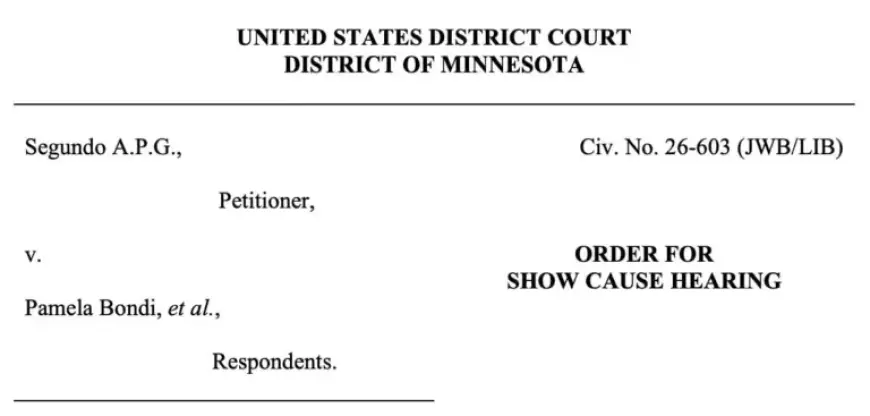
The ongoing challenges within the U.S. Immigration and Customs Enforcement (ICE) spotlight significant systemic flaws under the Trump administration. Recent court proceedings indicate that the Department of Homeland Security (DHS) is regularly failing to comply with federal court orders, a situation exacerbated by executive decisions made in 2025.
Background on ICE’s Legal Challenges
Federal courts have been critical of ICE’s recent interpretations of the law. Senior DHS officials altered how the Fourth Amendment applies to deportation arrests. This controversial change led to mandatory detention for noncitizens who entered the U.S. illegally, departing from previous interpretations allowing for alternative actions like bond hearings.
This shift has prompted a remarkable legal backlash. U.S. courts have seen over 362 challenges to this executive interpretation, with 350 of those cases resulting in rulings favoring the challengers. Judges from various districts have consistently argued that the established legal framework should prevail.
Key Legal Findings
- Judge Lewis Kaplan’s ruling highlighted that the government’s position contradicted the law’s ordinary meaning.
- U.S. District Judge Jerry Blackwell noted significant concerns about noncompliance in his court after numerous violations.
- One specific ruling indicated the mandatory detention provision did not apply to individuals legal in the U.S. prior to their detention.
Operation Metro Surge and Increased Arrests
Operation Metro Surge has exacerbated these legal issues, resulting in thousands of arrests and a sharp increase in habeas corpus petitions. January alone saw 253 petitions filed in Minnesota, sharply contrasting with only six petitions recorded in the same month of 2025.
Many of these cases have prompted federal judges to issue orders for immediate compliance, revealing significant operational hurdles facing DHS and ICE. Chief Judge Patrick Schiltz highlighted 96 instances where ICE violated court orders within just a month.
Impact on Federal Prosecutorial Offices
The challenges within DHS and ICE are having a noticeable impact on legal staffing and morale. Reports indicate significant departures from the U.S. Attorney’s Office in Minnesota due to the pressures created by ongoing legal battles and the administration’s policy changes.
Julie Le, a Special Assistant U.S. Attorney, expressed her frustrations in court, stating, “The system sucks.” Her comments underscore the unsustainable nature of current immigration enforcement policies, which are leading to increased court interventions and criticisms from both the judiciary and legal representatives.
Looking Ahead
As federal courts continue to demand accountability, the future interactions between DHS, ICE, and the judicial system remain uncertain. Questions surrounding compliance issues will need to be addressed to prevent further violations of rights and legal standards.
Ultimately, the challenges highlighted by Le and the wider legal community reflect the urgent need for reform in how immigration policies are implemented and enforced in the United States. The actions taken in the coming months will be critical in shaping the landscape of immigration law and enforcement moving forward.