
























US-Russia Nuclear Treaty Expiry Sparks New Arms Race Concerns

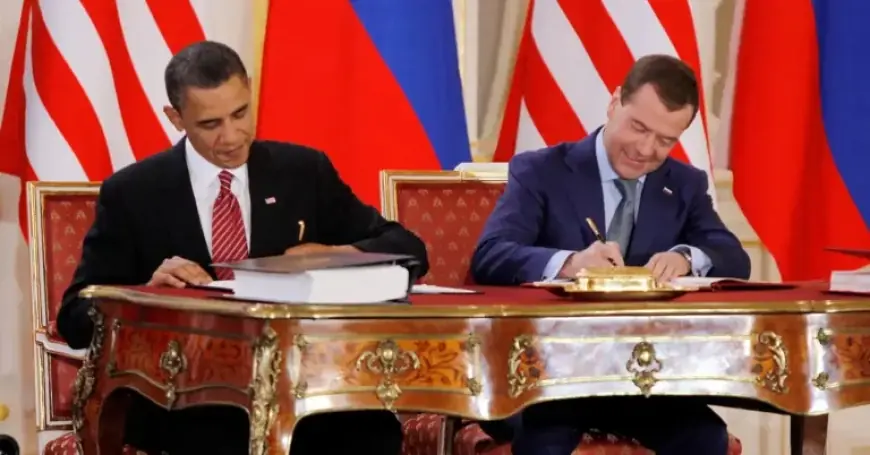
The impending expiry of the New START treaty, the last nuclear agreement between Russia and the United States, has raised significant concerns about a potential new arms race. This treaty is set to lapse within hours, leaving the world’s two largest nuclear powers without any limits on their arsenals for the first time in over 50 years.
Key Events Leading to Treaty Expiry
As the New START treaty approached its expiration, Kremlin aide Yuri Ushakov confirmed that Russian President Vladimir Putin discussed the situation with Chinese President Xi Jinping. Putin emphasized that Russia would act cautiously and responsibly. Despite the discussions, no agreement had been finalized before the treaty’s deadline.
- Expiry Time: The treaty is expected to lapse at 2300 GMT, which is midnight in Prague, the signing location in 2010.
- Pope Leo’s Appeal: Pope Leo issued a call for both nations to renew their commitments to nuclear arms limitations, stating the need for an ethic guiding choices toward the common good.
Potential Consequences of New START Expiry
Experts warn that without the treaty, both Russia and the United States could dramatically increase their warhead capacities, potentially doubling their deployed arsenals. Matt Korda, an associate director for the Nuclear Information Project, indicated that each side might add hundreds of additional warheads without restrictions.
Implications for Global Security
The collapse of the New START treaty would not only remove limitations on warheads but also weaken the trust and confidence necessary for nuclear verification. While some critics argue arms control treaties hinder innovation and allow for potential cheating, supporters insist that these frameworks are vital for maintaining strategic stability.
Broader Context of Nuclear Arms Control
Total global inventories of nuclear warheads have decreased significantly, from over 70,000 in 1986 to approximately 12,000 today. However, both the U.S. and Russia are modernizing their arsenals, while China has expanded its nuclear capabilities significantly in the past decade. This context raises alarms about a renewed arms race involving multiple global players.
- Nuclear Warhead Inventory: Current total is about 12,000 warheads.
- Historical Peak: Warhead levels exceeded 70,000 in 1986.
- China’s Growth: China’s nuclear arsenal has more than doubled in the last ten years.
Future of Arms Control Negotiations
U.S. President Donald Trump has indicated a desire to involve China in future arms control negotiations, questioning the need for new nuclear weapons considering the existing capacities of the major powers. Left without the New START treaty, the risk of spiraling nuclear armament could overshadow global stability.
As the expiration approaches, international dialogue and negotiations aim to mitigate the risks of an arms race and restore limits on nuclear arsenals. The coming days could be critical in determining the future of U.S.-Russia relations and global nuclear security.