






















Winter Olympics 2026 schedule: key dates, opening ceremony time, and what to watch

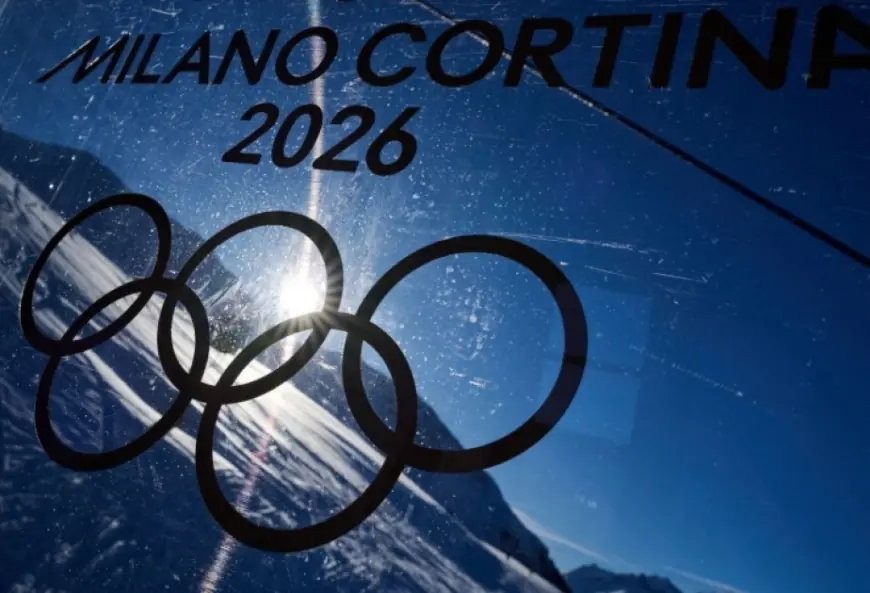
The 2026 Winter Olympics begin this week in northern Italy, with early competition sessions starting Wednesday, February 4, 2026, and the marquee Opening Ceremony set for Friday, February 6. The Games run through Sunday, February 22, with events spread across multiple clusters—city arenas and mountain venues—creating a schedule that looks different from recent single-hub Olympics.
Winter Olympics schedule at a glance
Competition is scheduled from February 4 through February 22, 2026, with the Opening Ceremony serving as the formal start of the Games. Some events begin before the ceremony, a common Olympic pattern that helps fit packed tournament formats into a two-week window.
Here are the headline milestones for fans tracking the Olympic schedule in Eastern Time (ET):
| Milestone | Local date | Local time (Italy) | ET time |
|---|---|---|---|
| First competition sessions begin | Wed, Feb 4 | (varies by sport) | (varies) |
| Winter Olympics Opening Ceremony | Fri, Feb 6 | 8:00 p.m. | 2:00 p.m. ET |
| First full medal day | Sat, Feb 7 | (varies) | (varies) |
| Winter Olympics Closing Ceremony | Sun, Feb 22 | ~8:00–8:30 p.m. (approx.) | ~2:00–2:30 p.m. ET (approx.) |
Times can shift for production needs, weather, and broadcast windows, so the safest plan is to treat ceremony start times as fixed anchors and daily sport sessions as subject to adjustments.
Winter Olympics Opening Ceremony: when and where
The Winter Olympics Opening Ceremony takes place Friday, February 6, 2026, at 2:00 p.m. ET (8:00 p.m. local time in Italy). It is staged in Milan at a large football stadium, with organizers leaning into a “city and mountains” concept that reflects how widely the venues are distributed this year.
A notable twist for 2026: ceremonial elements are designed to be shared across locations, not confined to a single Olympic park. That means the spectacle isn’t just a one-night TV moment—it also sets the tone for how fans will experience the Games day to day, bouncing between urban arenas and alpine sites.
How the Olympic schedule is different in 2026
This edition of the Winter Olympics is built around multiple clusters separated by significant travel time. For viewers, that translates into two practical impacts:
-
More “rolling prime time.” Depending on the sport, major finals may land earlier in the U.S. day than fans are used to, especially for mountain events that start mid-morning locally.
-
A heavier reliance on session-by-session planning. Instead of one predictable nightly rhythm, the biggest moments can pop up at very different ET windows—early afternoon for marquee medals, then late afternoon for team sports, with some finals falling into morning ET.
If you’re following multiple sports, it’s worth checking each day’s session list rather than relying on a single “prime-time recap” habit.
What to watch early: opening weekend storylines
The first weekend tends to define the Games’ emotional arc: early medals, first upsets, and the debut of athletes who become household names by the second week.
Common early drivers of attention include:
-
Tournament sports launching fast: formats like hockey and curling often start before or right at the opening days to fit round-robin play.
-
Weather-sensitive alpine scheduling: downhill, super-G, and other speed events can move quickly if wind or visibility changes.
-
Figure skating’s early momentum: early segments often shape medal expectations before the biggest head-to-head nights later in the Games.
If you want a simple plan: anchor your viewing around the Opening Ceremony (Feb 6, 2:00 p.m. ET), then treat Saturday, Feb 7 as the first major “medal day” to start building your personal watchlist.
Closing Ceremony: what it signals for the final stretch
The Winter Olympics Closing Ceremony is scheduled for Sunday, February 22, 2026, in Verona, with a local evening start that translates to mid-afternoon ET (roughly 2:00–2:30 p.m. ET, depending on the final published start time). The location choice matters: it underscores that these Games are intentionally multi-city, not simply “Milan plus mountains.”
From a viewing perspective, the final weekend usually compresses a lot of drama into a short window—team finals, last technical events, and the emotional release of athletes finishing multi-event programs. If you’ve only been sampling highlights, the final three days are typically the best time to commit to longer live blocks.
Sources consulted: Olympics.com, International Olympic Committee, Reuters, Time Magazine