






















Winter Olympics Opening Ceremony: start time, venue, and what to expect in Milan

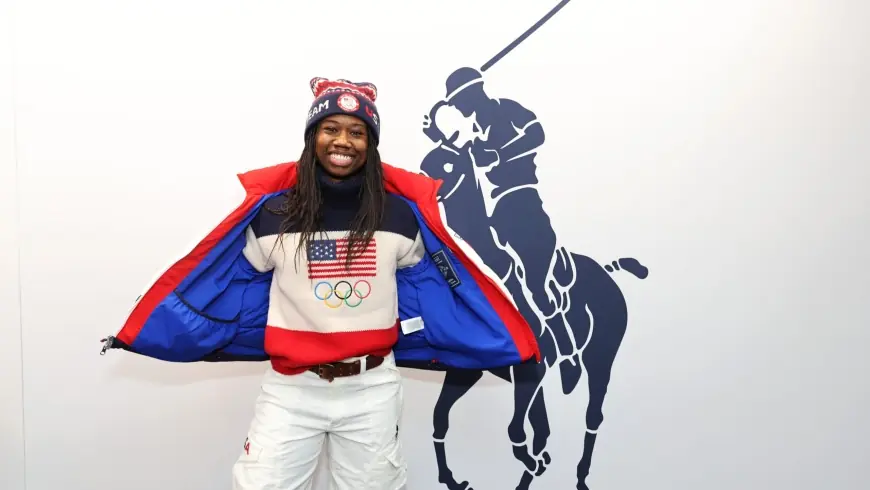
The 2026 Winter Olympics officially open Friday, February 6, with a stadium ceremony in Milan designed to showcase a “city and mountains” Games spread across northern Italy. The event arrives after days of heavy rain in the region, but forecasters are calling for improving conditions by Friday evening local time—good news for a live production built around outdoor spectacle.
Start time in Eastern Time and duration
The Winter Olympics Opening Ceremony is scheduled to begin at 2:00 p.m. ET on Friday, February 6, 2026 (8:00 p.m. local time in Italy). Organizers expect the show to run roughly two to three hours, including the Parade of Nations and the lighting of the Olympic cauldron.
A small number of competitions will already be underway before the ceremony, a long-standing Olympic scheduling practice used to fit tournaments and qualification rounds into the two-week window.
Where the ceremony is held
The opening is staged at San Siro Stadium in Milan, one of Italy’s best-known venues. While the main event is in Milan, the broader plan for 2026 emphasizes multiple host sites—so ceremonial elements are designed to resonate beyond a single Olympic park.
One of the headline features this year is a dual-cauldron concept, with significant ceremonial moments connected to both Milan and the mountain co-host area. The structure is meant to reflect how the Games are split between city arenas and alpine venues rather than centered in one compact zone.
Theme and creative direction
The ceremony’s creative theme is built around “Harmony” (Armonia)—a concept meant to tie together sport, inclusion, and the contrast between urban culture and mountain traditions. The production is led by a veteran ceremonies team with a track record across major global events, and the plan includes large-scale music and performance segments alongside traditional Olympic protocol.
For viewers, that likely means a familiar rhythm—national delegations, the oath, the flag, and the cauldron—packaged with heavier emphasis on Italy’s contemporary cultural identity and the visual language of movement between locations.
Security footprint and what it means for Milan
Italian authorities have rolled out an unusually visible security posture for opening-week crowds, reflecting both the high-profile nature of the ceremony and the geographic complexity of a Games spread across multiple provinces. Planning includes layered perimeters and restricted zones near key sites, plus a centralized operations hub coordinating law enforcement across host locations.
A notable addition is a round-the-clock cybersecurity control effort tied to the event, reflecting the expectation that major international competitions face digital threats as well as physical ones. For visitors, the practical impact is straightforward: more checkpoints, tighter access controls, and longer transit buffers around the stadium and major transport links.
Weather outlook for opening night
After persistent rain in the Milan area, forecasters expect a break in wet weather by Friday evening local time, with the possibility of lingering showers earlier in the day. In the mountain zones, conditions are expected to be comparatively steady for the first week, with continued monitoring for avalanche risk typical of alpine winters.
For the ceremony itself, the key variable is wind and heavy rain—both can force last-minute staging adjustments. As of Wednesday morning ET, the outlook is trending toward a smoother evening for the live event.
How to plan your viewing
If you’re watching from the U.S. East Coast, 2:00 p.m. ET is the anchor time. If you can’t watch live, the ceremony is expected to be replayed in an evening U.S. broadcast window.
For the rest of opening weekend, the best approach is to treat the ceremony as the “formal start,” but not the first moment of meaningful action—early sessions and preliminary rounds can create storylines before the first big medal night.
Sources consulted: International Olympic Committee, Reuters, Olympics.com, Time Magazine