























James Harden Trade to the Cavaliers Before the NBA Trade Deadline 2026: What the Harden-for-Garland Deal Signals

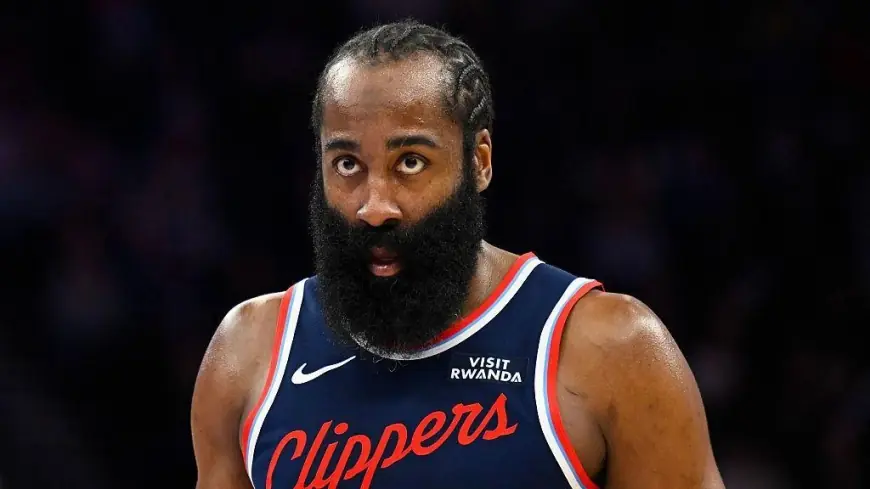
The Cleveland Cavaliers have moved early ahead of the NBA trade deadline 2026, agreeing to a headline deal that sends James Harden from the Los Angeles Clippers to Cleveland in exchange for Darius Garland and a future second-round pick. The swap reshapes two teams moving in opposite directions: the Cavs leaning into a win-now push around Donovan Mitchell, and the Clippers pivoting toward a younger timeline as the deadline approaches Thursday at 3:00 p.m. ET.
For anyone asking “did James Harden get traded,” the answer is yes: Harden is headed to Cleveland, and Garland is going to Los Angeles, pending the normal league processing of a trade.
James Harden to Cavs: What happened and why it’s happening now
Cleveland’s bet is straightforward. Harden remains a high-usage creator who can generate efficient offense late in games, and his current season production has stayed near the top tier for guards: about 25 points and 8 assists per game, with solid rebounding for his position. For a Cavs team trying to separate in a crowded Eastern Conference race, that skill set can be the difference between “good” and “dangerous” in a seven-game series.
The timing is also telling. Cleveland didn’t wait for the final hours of “nba trades today” chaos. Getting Harden in before the deadline gives the Cavs at least a small runway to integrate him into rotations, late-game sets, and defensive coverages.
Darius Garland trade: The injury context and the Clippers’ incentive
Garland’s recent availability has been a growing question. He’s been sidelined with a right great toe sprain, and he has already missed a stretch of games leading into deadline week. That injury context matters for both teams:
-
For Cleveland, it lowers the certainty of a clean playoff runway and can intensify the urge to consolidate talent.
-
For the Clippers, it’s a calculated risk: they’re acquiring a 26-year-old, prime-age guard who can be a foundational piece, even if the short-term return is delayed by health.
The Clippers’ incentive is also roster logic. Harden is 36, and while he’s still producing, he represents a “right now” asset. Garland fits a longer horizon and can reset the franchise’s timeline around a younger lead ball-handler.
James Harden stats, age, and contract: What Cleveland is actually buying
Harden’s age and contract situation are part of the trade’s real story. Cleveland isn’t just acquiring points and assists; it’s acquiring optionality.
Harden is on a deal that includes a player option for next season, which means he has leverage in how long this partnership lasts. If the fit is seamless and the playoff run is deep, Cleveland can sell stability and contention to keep him. If it’s awkward, both sides have exit ramps.
That’s why the immediate question isn’t only “harden stats,” but “what version of Harden shows up when the games tighten.” Cleveland needs him to be two things at once: a primary creator when Mitchell sits, and a secondary advantage engine when Mitchell has the ball.
Behind the headline: What’s really driving this Cavs trade
This is a consolidation move in disguise.
Cleveland has been living in a delicate balance: two small guards sharing creation duties, a frontcourt built on size and rim protection, and a constant search for the right late-game hierarchy. Adding Harden clarifies the hierarchy, but it also shifts the team’s identity from “shared responsibilities” toward “one more elite decision-maker.”
Stakeholders and pressure points are clear:
-
Donovan Mitchell: gains another closer, but also shares the spotlight and touches in the biggest moments.
-
Evan Mobley and Jarrett Allen: could benefit from easier shots, but may be asked to cover more defensively if lineups skew smaller.
-
Cavaliers front office: is making a credibility play that says, “We’re not waiting.”
-
Clippers leadership: signals a pivot toward retooling rather than chasing a narrow window.
Second-order effects ripple quickly. Cleveland’s half-court offense should stabilize, but opponents will hunt matchups. Meanwhile, the Clippers add a younger guard who can attract free agents and redefine the team’s next era.
What we still don’t know about Harden to Cleveland
A few missing pieces will decide whether this becomes a masterstroke or a short-lived experiment:
-
How quickly Harden and Mitchell find an on-ball/off-ball rhythm
-
Whether Cleveland’s defense holds up with more guard-heavy closing lineups
-
Garland’s recovery timeline and how the Clippers manage his ramp-up
-
Whether either team makes follow-up moves before the deadline buzzer
What happens next: 5 realistic scenarios with triggers
-
Cavs surge immediately if Harden stabilizes bench minutes and Cleveland’s crunch-time offense improves within the first two weeks.
-
Fit friction if touches become contested and late-game roles blur, forcing a tactical reset.
-
Clippers accelerate the pivot if they flip additional veterans for picks or younger players before the deadline.
-
Garland becomes the centerpiece if he returns healthy and reasserts himself as a high-level creator, validating the long-term bet.
-
Short-term rental outcome if Harden treats Cleveland as a one-run stop and re-evaluates in the offseason.
Why it matters: This trade isn’t just “nba trade rumors” turning real. It’s two franchises choosing clarity. Cleveland is trying to win louder, sooner. Los Angeles is trying to win smarter, later.