























LIV Golf’s 72 Holes: Nurturing Young Talent and Legacy vs. New Media

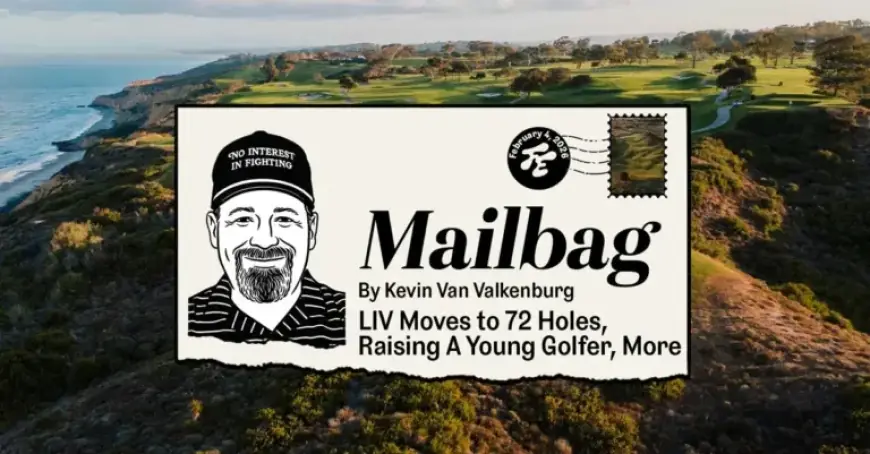
LIV Golf is at a pivotal crossroads as it transitions from a 54-hole format to a more traditional 72-hole format. This change has sparked mixed reactions among players, with notable figures like Bryson DeChambeau, Paul Casey, Louis Oosthuizen, and Bubba Watson expressing discontent. LIV Golf aims to differentiate itself from the PGA Tour, which emphasizes a different competitive structure.
LIV Golf’s Shift to 72 Holes
The decision to switch formats was influenced by top players seeking a pathway to compete in major events. Notably, Jon Rahm and Joaquín Niemann lobbied for Official World Golf Ranking (OWGR) points to secure their places in prestigious tournaments. With the recent announcement that the top-10 finishers in each LIV event would now receive OWGR points, LIV hopes to address player concerns. However, the point distribution will still depend on the strength of the field.
Comparative Field Strength
- LIV Riyadh: Projected strength of field at 108.3
- 2025 Puerto Rico Open: Strength of field rating at 117.5
Despite gaining OWGR points, players like Bryson DeChambeau feel conflicted. While he aspires to win tournaments, he also finds fulfillment in growing his social media presence and creating engaging content. His recent interviews reflect a lackluster attitude, contrasting sharply with Rahm, who described the format change as “absolutely massive” for the league.
Player Dynamics and Future Implications
The shift toward a 72-hole format could alienate influential players like DeChambeau, who have become significant draws for the league. He expressed uncertainty about his future with LIV after fulfilling his current contract, emphasizing that the original intentions of the league feel compromised.
Jon Rahm, on the other hand, appears to be content with his decision to join LIV Golf. Despite acknowledging a deep connection with the PGA Tour, he remains committed to LIV for the foreseeable future, especially with his major tournament qualifications securing his place in elite events until 2028. Rahm’s transition reflects a broader acceptance of the changes within the golf landscape.
Future of LIV Golf
The path for LIV Golf remains uncertain. Its success will hinge on maintaining player satisfaction, especially among high-profile names. Should DeChambeau choose to leave post-contract, it could symbolize a significant setback for the league. Conversely, if LIV Golf can thrive with its new format and secure its standing in the professional golf arena, it may pave the way for a sustainable future.
Nurturing Young Talent vs. New Media
In addition to its competitive shifts, LIV Golf must balance the nurturing of young talent against the backdrop of modern media dynamics. As players adapt to new platforms and fan engagement methods, the league’s mission will become increasingly complex. Emphasizing not only traditional golf competition but also innovative content creation could redefine its identity in an evolving sports entertainment landscape.