Grammys 2026 honors Ozzy Osbourne with a family-backed, all-star tribute

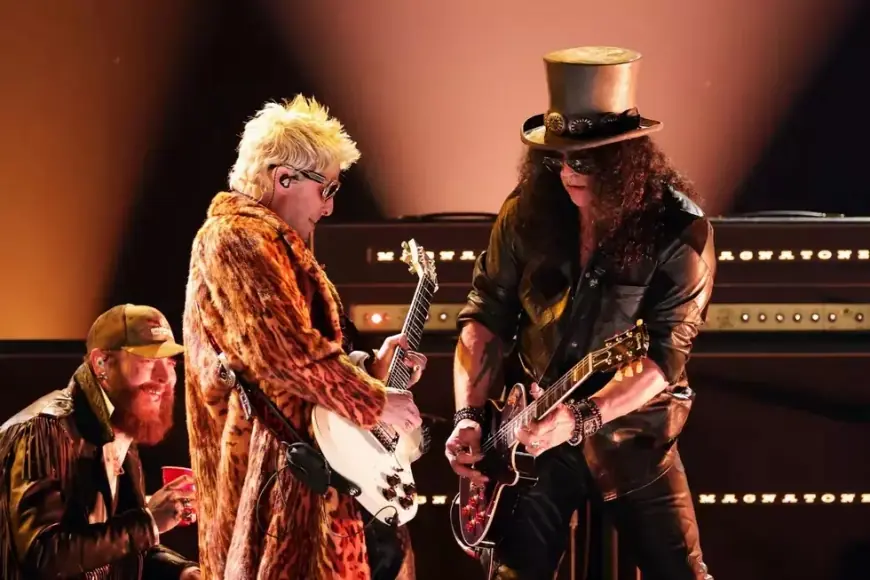
Six months after Ozzy Osbourne’s death, the 2026 Grammy Awards devoted a centerpiece In Memoriam segment to the heavy-metal icon—bringing his family into the room and assembling a rock supergroup to play his music on the biggest night of the year. The tribute, staged during the Feb. 1 ceremony in Los Angeles, also fueled a surge of searches around Yungblud, Kelly Osbourne, and which Black Sabbath songs the show chose to spotlight.
The Ozzy Osbourne tribute at the Grammys
The tribute unfolded as part of the televised In Memoriam segment, with a performance lineup that paired classic-rock firepower with modern star presence. Post Malone took the lead vocal role, backed by Slash on guitar, Duff McKagan on bass, Andrew Watt on guitar, and Chad Smith on drums—an intentionally cross-generational group built to land with both longtime metal fans and casual viewers.
The segment leaned into Ozzy’s defining identity: not just a solo star, but the frontman who helped build Black Sabbath into a blueprint for heavy metal. The staging emphasized legacy over spectacle, with the music doing the heavy lifting and the camera repeatedly cutting to the Osbourne family in the audience.
Kelly, Sharon, Jack, and Aimee Osbourne’s emotional night
Kelly Osbourne attended the ceremony knowing the tribute would be one of the night’s most public moments of grief. On the red carpet, she spoke openly about how hard the experience has been for the family, while also calling the recognition from fellow musicians meaningful.
Sharon Osbourne was visibly emotional throughout the segment, later describing the tribute as an enduring musical moment. Jack Osbourne attended alongside his family, and Ozzy’s rarely seen daughter Aimee Osbourne also appeared with them for the tribute—an image that stood out to viewers who remember how private she has remained compared with other members of the family.
Together, their presence turned the performance from a standard awards-show homage into something closer to a communal farewell—part remembrance, part recognition of how wide Ozzy’s influence spread across genres and generations.
How did Ozzy Osbourne die, and when did he die?
Ozzy Osbourne died on July 22, 2025, at age 76. The cause of death was a heart attack, with coronary artery disease also noted among his health conditions. He had lived for years with major medical issues that were widely discussed in his later career.
Questions like “how old was Ozzy Osbourne when he died” and “when did Ozzy Osbourne die” spiked again around the Grammys because the tribute arrived at a time when many fans were still processing the news and revisiting his catalog.
Yungblud, Grammys buzz, and whether he performed
Yungblud’s name became tightly linked to the tribute weekend because he won Best Rock Performance for “Changes (Live From Villa Park),” a performance tied to Ozzy’s music. He dedicated the win to Ozzy and highlighted a moment shared with Sharon Osbourne ahead of the ceremony, reinforcing how closely the night’s rock storylines were framed around honoring Ozzy’s legacy.
As for the direct question, “is Yungblud performing at the Grammys,” his presence was central to the Ozzy-focused conversation even as the televised tribute itself leaned on Post Malone and the all-star band. Between the award moment and the surrounding coverage, viewers experienced Yungblud as part of the same tribute ecosystem—one that extended beyond a single stage slot.
Black Sabbath, “War Pigs,” and the songs fans revisited
Even when a tribute setlist is short, it tends to reshape listening habits instantly. The night pushed fans back toward Black Sabbath staples and Ozzy-era deep cuts, with “War Pigs” popping up as one of the most searched titles connected to the tribute conversation.
Here are the tracks most tied to the Grammys surge, either through the tribute theme or through renewed fan interest:
-
“War Pigs”
-
“Paranoid”
-
“Iron Man”
-
“Changes”
The larger point of the segment was unmistakable: Ozzy’s songs still function as cultural infrastructure. They’re not just “classic rock” artifacts; they’re templates modern rock and metal acts keep borrowing from—riff structures, vocal attitude, and that particular sense of menace that still reads as thrilling rather than dated.
Sources consulted: Recording Academy, ABC News, People, Australian Broadcasting Corporation