
























St. Louis Cardinals Exit FanDuel SN, Join MLB Broadcast Group

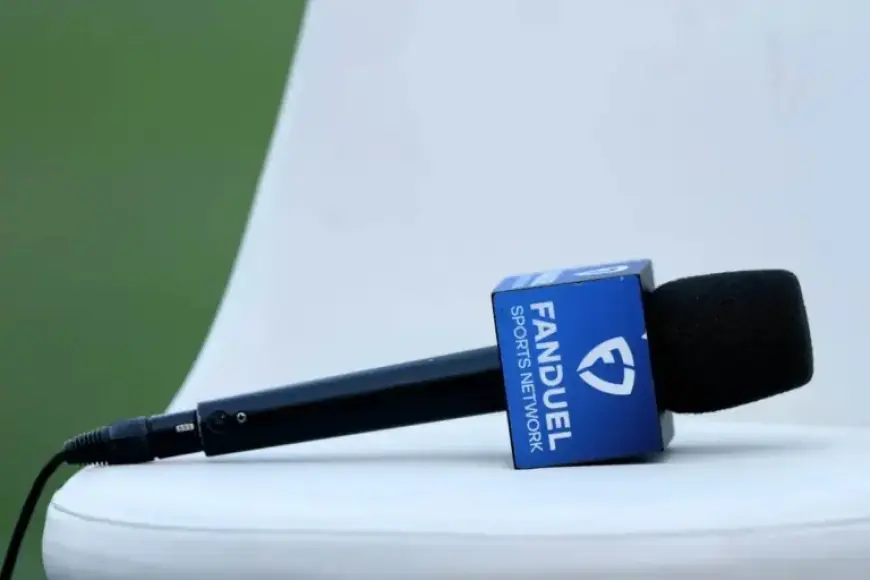
As spring training approaches, Major League Baseball (MLB) is set to transition its broadcast strategy, moving away from Main Street Sports Group. This company, which operates regional sports networks under the FanDuel Sports Network brand, has faced financial difficulties, affecting its ability to provide broadcasts for multiple teams.
St. Louis Cardinals and MLB Broadcast Changes
Recently, six MLB clubs, including the St. Louis Cardinals, announced their decision to have MLB manage the production and distribution of their telecasts. This group also includes the Cincinnati Reds, Kansas City Royals, Miami Marlins, Milwaukee Brewers, and Tampa Bay Rays. Anuk Karunaratne, senior vice president of business operations for the Cardinals, emphasized the goal of ensuring fans can easily access their games—regardless of how they choose to watch.
Future of FanDuel Sports Network
Main Street has struggled to find a buyer to stabilize its operations. The network broadcast 13 NBA teams and seven NHL teams alongside its MLB coverage. Despite ongoing discussions, Main Street has missed multiple rights-fee payments. This failure led to the termination of contracts with nine MLB teams initially projected to be carried by the network in 2026.
- Cincinnati Reds
- Kansas City Royals
- Miami Marlins
- Milwaukee Brewers
- St. Louis Cardinals
- Tampa Bay Rays
MLB plans to sell direct-to-consumer subscription packages in February, aiming to provide its teams with a new revenue stream. Main Street’s previous iteration, known as Diamond Sports Group, had already undergone a challenging bankruptcy process. As a result, the shift in broadcast responsibilities has become necessary for many teams.
Financial Implications for MLB Teams
MLB’s approach differs significantly from traditional regional sports networks. While Main Street promised set rights fees, MLB pays clubs based on actual earnings, potentially impacting revenue for teams switching over. Bruce Sherman, owner of the Miami Marlins, noted that the new model allows for a better broadcast experience across platforms.
As local TV revenues decline due to cord-cutting, over half of MLB’s teams have seen a drop in broadcast revenue in the past three years. For those losing their regional sports network (RSN) deals, the new agreements offer an average payout of only 50% compared to previous cable deals.
Main Street faces uncertain prospects as it attempts to operate through the current NBA and NHL seasons. Whether it can stabilize its financial position remains to be seen.