
























Lola Young’s Grammy comeback is turning into a full-scale 2026 moment

Lola Young is entering 2026 with the kind of momentum that can reframe a career in a single week: a major Grammy win, a return-to-stage narrative after a widely discussed health scare, and a fast-moving run of high-profile appearances that signal she’s graduating from “breakout” to mainstay.
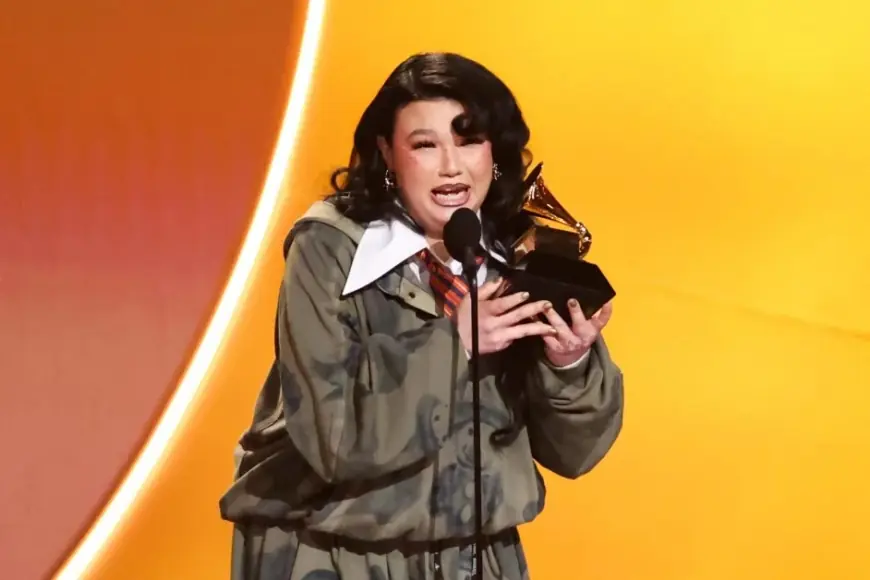
Over the past couple of days, the British singer-songwriter has been at the center of awards-season conversation after winning Best Pop Solo Performance for “Messy,” then using the Grammys stage to reintroduce herself as an artist who can command a room without over-explaining the pain behind the past year. The next headline is already queued up: she’s slated to perform at a major awards-weekend charity viewing event in Los Angeles on Sunday, March 15, 2026.
What happened: the Grammy win that turned “Messy” into a statement
Young’s win for “Messy” is being treated as both a songwriting victory and a narrative one. The category is crowded by design, typically rewarding either undeniable chart presence or a performance moment voters feel they can stand behind long-term. Young’s acceptance speech carried the energy of someone who didn’t expect the night to end in a trophy, which only amplified the impact. In awards culture, surprise reads as sincerity, and sincerity plays well when the public is deciding whether an artist’s rise is “real” or merely loud.
Her performance later in the show doubled down on that credibility: controlled staging, a focus on vocal delivery, and a clear message that she’s not trying to sprint past the hardest parts of the story. She’s integrating them.
Behind the headline: why this comeback is happening now
Context matters here. Young’s momentum didn’t come out of nowhere; it’s been building through a multi-year grind that finally snapped into mainstream visibility with “Messy.” But the timing of this particular surge is driven by incentives on all sides:
Incentives for Young: Awards season is a rare megaphone where one performance can reset public perception. For an artist who’s been framed as “on the edge of a breakout,” a Grammy converts attention into legitimacy overnight. It also gives her leverage in what comes next: creative control, bigger booking offers, and better partnership terms.
Incentives for the industry: Awards shows need moments that feel alive, not prepackaged. A young artist returning after a health-related pause offers a built-in arc: risk, recovery, and a public step forward. That arc is powerful because it feels human, and it keeps the broader awards ecosystem culturally sticky.
Stakeholders: Fans who want authenticity, booking and festival teams looking for proven live draws, labels and radio programmers gauging staying power, and mental-health advocates watching how the story is framed. Everyone has something to gain or lose based on whether Young’s narrative becomes one of resilience or one of burnout.
The health scare: what it changed, and what it still complicates
Part of the reason this win hit so hard is the backdrop. In late September 2025, Young collapsed during a festival performance in New York and subsequently pulled out of at least one scheduled show as she stepped back to focus on her health. That interruption created a fork in the road: a pause can cool momentum, or it can deepen it by making the audience more invested in the person behind the songs.
Young’s return suggests a strategic recalibration rather than a simple “back to normal.” The industry lesson is blunt: the public increasingly rewards artists who set boundaries, but it also punishes inconsistency. Managing that contradiction is now part of the job.
Second-order effect: this moment may nudge more artists and teams to formalize rest periods, health contingencies, and communication plans. The days of pretending touring is endlessly sustainable are fading, especially as fan communities become more vocal about wellbeing.
What we still don’t know: the missing pieces in the Lola Young story
Even with the headlines, several key questions remain open:
-
What “sustainable pace” looks like for her touring and promotion in 2026
-
Whether she’s planning a longer run of live dates or a more selective schedule built around fewer, bigger moments
-
How much new music is queued, and whether she’s aiming to follow the Grammy spike with a release or let “Messy” keep doing the work
-
How the next few public appearances handle the health narrative: centered, minimized, or reframed entirely
These missing pieces matter because awards-season momentum can be fragile. The next steps will determine whether this is a spike or the start of a durable new tier.
What happens next: realistic scenarios and triggers
Here are the most plausible paths from here, depending on what Young announces over the next few weeks:
-
A tight awards-to-charity-performance runway: if the March 15 Los Angeles set draws strong attention, expect more curated, high-visibility performances rather than a rapid tour ramp-up.
-
A controlled tour announcement: if she confirms dates with built-in rest windows, it signals a long-term approach and reduces anxiety among fans who worry about overextension.
-
A new single timed to the post-Grammys search surge: if she drops a track soon, it’s a classic conversion play—turn curiosity into a new era.
-
A quieter stretch: if she steps back after the immediate wave, it likely reflects a health-first strategy, even if it frustrates the usual “capitalize instantly” logic.
Why it matters: Lola Young is becoming a case study in what modern pop stardom looks like when it’s built on vocal performance and emotional specificity—and when the industry has to acknowledge that the person delivering it isn’t a machine. The Grammy win may be the trophy, but the real prize is what comes next: whether she turns this week into a sustainable career peak rather than a moment that burns too hot.