U.S. government shutdown ends after House vote and Trump signature, DHS deadline next

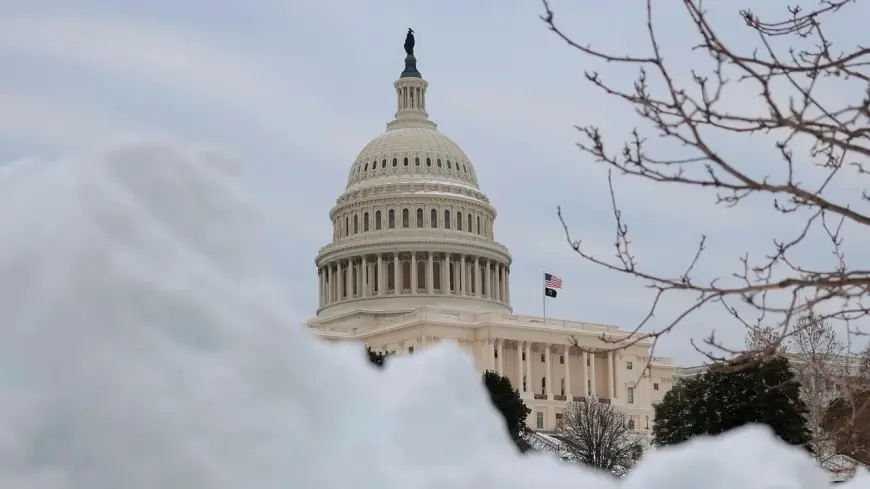
The federal government is not shut down as of Wednesday, February 4, 2026 (ET). A four-day partial shutdown that began at 12:01 a.m. ET on Saturday, January 31 ended after the House approved a spending package and President Donald Trump signed it into law on Tuesday, February 3 (ET). Most agencies have resumed normal operations, though a new funding deadline is already looming for the Department of Homeland Security (DHS).
What happened: shutdown, House vote, and signature
Funding lapsed at the end of January for a large slice of federal operations, triggering a partial shutdown. Congress then moved a broader spending package designed to restore funding for most agencies through the end of the fiscal year.
The House vote on February 3 was close: 217–214. Soon after, Trump signed the bill, restoring appropriations and formally ending the shutdown. The measure also addressed pay issues tied to the shutdown period, including provisions connected to back pay for affected federal workers.
Is the government still shut down?
No. The government is open.
If you noticed some agency webpages or phone lines warning “shut down” earlier in the week, that messaging often lags the legal funding status by hours—or even a day—until internal guidance updates. The controlling fact is that the funding package is now law and has reopened the agencies covered by it.
Why DHS and ICE funding are still the flashpoint
One major caveat: DHS is not funded for the full fiscal year under the same terms as the rest of the government. Instead, DHS received a short extension that runs to Thursday, February 13, 2026 (ET), creating a near-term risk of renewed disruption if lawmakers can’t agree on the remaining DHS package.
The dispute is tightly tied to immigration enforcement policy and oversight. In recent negotiations, Senate Democrats have pushed for guardrails and accountability measures around immigration enforcement, and the debate has become more intense after a high-profile incident in Minneapolis that prompted renewed scrutiny of federal enforcement actions. The administration has pointed to steps like deploying body cameras for certain enforcement activities in Minnesota, while lawmakers continue bargaining over what conditions should be attached to DHS funding.
What services were affected during the partial shutdown
Because this was a partial shutdown, impacts were uneven:
-
Some agencies continued operating under existing funding streams or because their work is classified as essential.
-
Other offices curtailed non-essential functions, delayed processing, or reduced public-facing services.
-
Federal employees in affected agencies faced furloughs or worked without immediate pay until funding resumed, depending on role and designation.
For most people, the most visible impacts typically show up as slower processing times, reduced appointment availability, and limited administrative operations—rather than an immediate halt to all federal activity.
Will the government shut down again?
A full shutdown is not currently in effect, but another disruption is possible if DHS funding talks fail before February 13 (ET).
Three scenarios are on the table:
-
DHS deal reached before the deadline, avoiding any new lapse.
-
Another short-term extension for DHS, kicking the decision down the road.
-
DHS-specific shutdown if funding expires again—potentially affecting parts of the department that aren’t protected by longer-term appropriations or other funding mechanisms.
Because DHS includes multiple major components, the practical effects could vary widely by office and mission. Even in a shutdown, certain public-safety and national-security functions would continue, while some administrative and support activities could be paused.
What to watch today in Congress
If you’re tracking “House vote today” or “Senate vote today,” the key thing to monitor on February 4 (ET) is whether leaders schedule procedural steps or introduce a DHS-focused package that can clear both chambers quickly.
The decisive signals tend to be:
-
Whether a bipartisan group coalesces around DHS terms before the deadline
-
Whether leadership publicly commits to a vote schedule this week
-
Whether negotiators narrow disagreements over immigration enforcement conditions and oversight
For now, the answer to the practical question—“Is there a government shutdown?”—is no, with the next hard deadline centered on DHS in mid-February.
Sources consulted: Reuters; Time; CBS News; PBS NewsHour