























Netanyahu Confirms Readiness in Knesset Address on 77th Anniversary

The Knesset of Israel celebrated its 77th anniversary on Monday, reflected through a notable plenary session marked by political tension and institutional challenges. The session was particularly significant due to the absence of President Isaac Herzog and the boycott from numerous opposition members, following the controversial decision to exclude Supreme Court President Yitzhak Amit from the proceedings.
Prime Minister Netanyahu’s Address on Security and Democracy
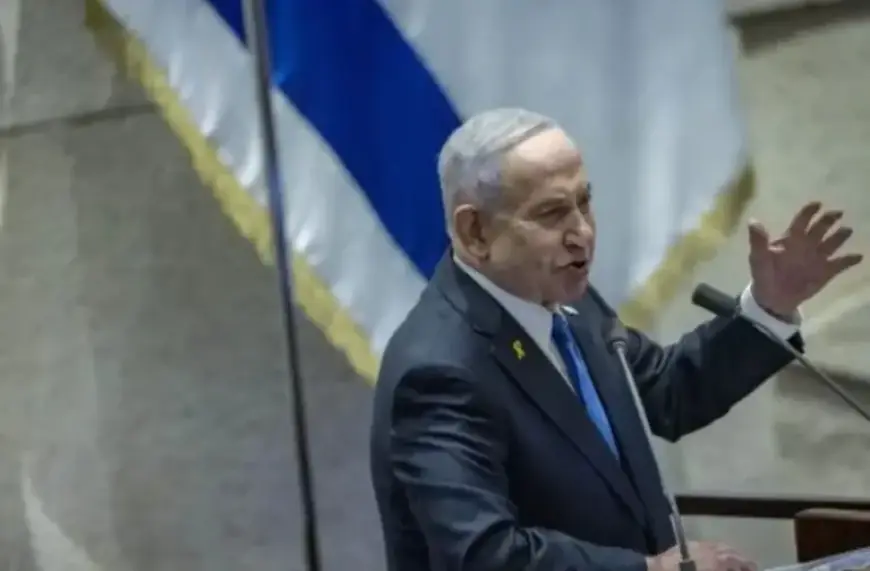
During this critical gathering, Prime Minister Benjamin Netanyahu addressed pressing issues facing the nation. He emphasized Israel’s security challenges while also discussing the ongoing contention between different government branches. Netanyahu asserted, “We are facing more testing moments, but we are alert and prepared for any development.” He added that any aggressor against the nation would face severe repercussions.
Netanyahu’s remarks turned to domestic matters, expressing hope for renewed consensus in the coming year. He called for restoring “the balance between the three branches of government” and advocated for more measured public discourse. He acknowledged the imperfections within Israeli democracy, stating, “Israel is not a perfect democracy, but a democracy tested like few others.”
Freedom of Expression and Democracy
The Prime Minister underscored the importance of preserving the freedom of expression for elected officials. He remarked that significant disagreements are vital to a thriving democracy, emphasizing that ultimate authority belongs to the electorate.
Knesset Speaker Amir Ohana’s Critique of the Judiciary
Knesset Speaker Amir Ohana commenced the session with a robust critique of the judiciary. He accused the courts of undermining established norms, particularly regarding the appointment process for Supreme Court presidents and the annulment of Basic Laws during times of war.
Ohana dismissed the notion that excluding the Supreme Court president was an affront to democracy. Instead, he argued that the judiciary had positioned itself as a “supreme authority,” which he believed threatened the legislative branch’s prerogatives. Despite his confrontational stance, he maintained that the Knesset was open to dialogue, provided it did not interfere with national remembrance days.
Opposition Leader Yair Lapid’s Response
Opposition leader Yair Lapid was critical of the ruling coalition, especially regarding the absence of senior officials at the session. Standing at the podium, he questioned, “Aren’t you ashamed? Is this what you wanted—half a country, half a people, half a Knesset?” Lapid accused the government of exacerbating national divisions and eroding democratic principles.
The Ongoing Political and Institutional Rift
This anniversary session starkly highlighted the existing rift within Israel’s political landscape. Discussions surrounding judicial authority, democratic governance, and national unity remain at the forefront of the public discourse. The issues raised during this session reflect the deepening complexities within Israeli democracy, as the Knesset navigates its future amid ongoing challenges.