J.D. Irving Plans Forest Swap, Threatening Protected Lands

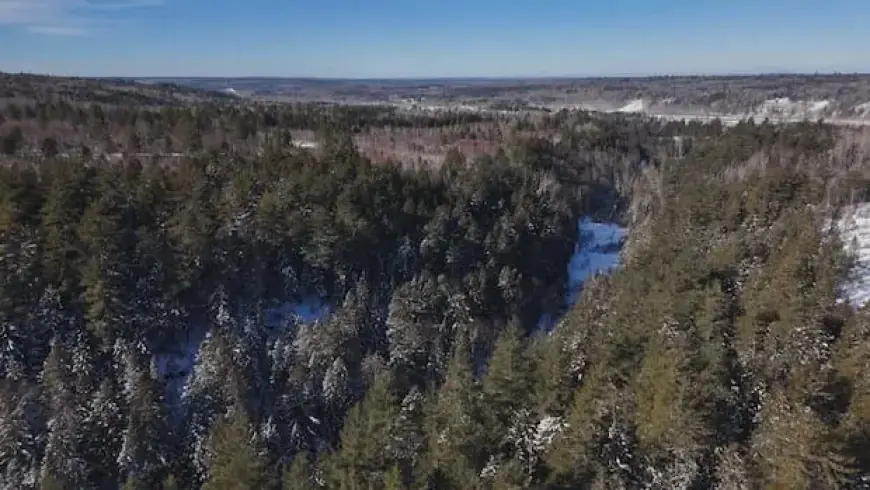
J.D. Irving Inc. has initiated discussions with various municipalities in New Brunswick regarding a controversial proposal to log approximately 32,000 hectares of protected land. This request aims to exchange logging rights in exchange for conservation efforts near local communities. At least eight municipalities, including Doaktown, Grand Lake, and Sussex, have shown support by signing a letter to Natural Resources Minister John Herron.
Municipal Support and Concerns
The municipalities involved are urging the minister to consider local economic and social interests alongside environmental concerns. Riverview council is also set to vote on whether to join this initiative. Conservation groups have expressed alarm over J.D. Irving’s proposal, emphasizing the potential risks to protected lands.
Roberta Clowater of the Canadian Parks and Wilderness Society raised significant issues surrounding this proposal. She questioned the ethics of utilizing conservation areas for logging, stating that protected sites should not serve as a resource source for industries.
Government’s Conservation Goals
This logging request corresponds with the provincial government’s commitment to increase protected lands from 10% to 15% of New Brunswick’s total land area, translating to an additional 360,000 hectares. J.D. Irving proposes to enhance the conservation of areas near inhabitable regions while gaining access to harvest old forest lands between Doaktown and Chipman.
- Current conservation: 33% of J.D. Irving’s Crown licence.
- Proposed conservation after logging: 38%.
- Percentage of old forest conserved: Increase from 20% to 21%.
Proposal Review and Economic Considerations
Minister Herron confirmed that other license holders have also made similar requests. He emphasized balancing conservation with industry needs. J.D. Irving’s director of sustainability, Andrew Willett, argues that New Brunswick’s 2023 Forest Strategy overly favors ecological concerns while neglecting economic and social considerations.
Willett advocates for modifying selective logging practices, proposing that the company conserve areas valued by local communities, particularly near the Fundy Parkway and Turtle Creek watershed. The firm claims that this action will boost the total area designated as old forest, while simultaneously providing better access to logging near existing mills, reducing transportation expenses.
Fears Regarding Biodiversity and Conservation
Clowater has conveyed her apprehensions about potential habitat loss and biodiversity decline stemming from this logging initiative. She advocates for a balanced approach, suggesting that J.D. Irving could purchase timber from private landowners to mitigate the impact of reduced conservation.
Critics, including Green Leader David Coon, fear that this trend may lead to the degradation of protected areas. He argues that the original intent of these conservation efforts is being undermined by pressures to cater to industry demands.
Conclusion
The ongoing debate surrounding J.D. Irving’s proposal highlights a significant conflict between industrial and environmental interests in New Brunswick. As municipalities navigate their economic needs and environmental responsibilities, the outcome of this proposal could set a precedent for future land management policies within the province.