

























Gold price today drops more than 5% as margin hikes fuel a deep selloff

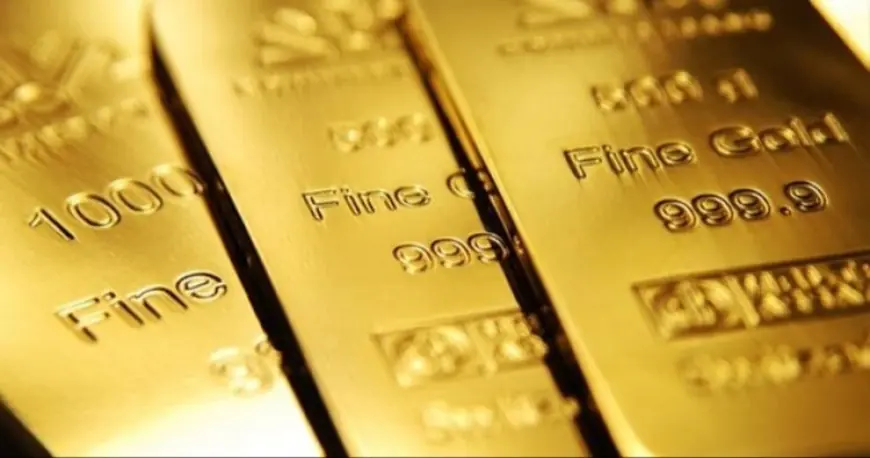
Gold sank sharply on Monday, extending last week’s slide and pushing prices hundreds of dollars below late-January records as traders adjusted to higher margin requirements and a stronger U.S. dollar. The move has been marked by unusually large intraday swings, with gold down more than 5% late morning after a nearly 10% drop earlier in the session.
As of 11:00 a.m. ET on Monday, February 2, 2026, spot gold was $4,613.99 per ounce, down 5.2% on the day. April U.S. gold futures were $4,636.90 per ounce.
Gold price today: key levels (ET)
| Market | Price | Change | Time (ET) |
|---|---|---|---|
| Spot gold | $4,613.99/oz | -5.2% | 11:00 a.m. Feb 2 |
| Gold futures (April) | $4,636.90/oz | Lower | 11:00 a.m. Feb 2 |
| Spot silver | $75.79/oz | -10.4% | Late morning Feb 2 |
| Spot platinum | $2,090.80/oz | -3.3% | Late morning Feb 2 |
| Spot palladium | $1,652.25/oz | -2.7% | Late morning Feb 2 |
What’s driving the drop
Two forces are colliding: a rapid leverage unwind in metals and a macro backdrop that suddenly looks less supportive.
Margin pressure: Higher margin requirements for precious-metals futures are set to take effect after Monday’s market close, raising the amount of cash traders must post to maintain positions. That tends to hit leveraged longs first, forcing some to sell into weakness and accelerating the decline.
Dollar strength: The U.S. dollar has been firmer, which can weigh on dollar-priced bullion by making gold more expensive for buyers using other currencies. In fast selloffs, that currency headwind often matters less than positioning — but it can still amplify the move.
A brutal reversal from record highs
The speed of the pullback has been the story. Gold set a record high of $5,594.82 on January 29, 2026, then fell almost 10% on Friday and extended losses into Monday. By late morning Monday, the drop from the record was roughly $980 per ounce, a dramatic reversal for a market that had been powering higher for months.
Silver has been even more volatile. After hitting $121.64 last week, it fell sharply again Monday, leaving it down about 37% from that peak.
The pattern fits a classic momentum unwind: prices rise fast, leverage builds, then a catalyst triggers forced selling and large gaps as stop-loss orders and margin calls cascade through thinner liquidity.
The policy catalyst traders are watching
Markets have also been re-pricing expectations for U.S. monetary policy after Kevin Warsh was nominated to succeed Jerome Powell as Federal Reserve chair when Powell’s term ends in May 2026. The shift in rate expectations can matter for gold because the metal competes with yield-bearing assets, and because changes in policy outlook can move both the dollar and real yields.
On Monday, much of the conversation among traders centered on whether the recent surge in gold was partly a “policy bet” that got crowded — and whether the nomination has forced a rapid reset in that positioning.
Why some still see this as a shakeout, not a collapse
Despite the dramatic tape, not everyone is reading the selloff as the start of a prolonged downturn. The view from several bank desks is that the pullback is flushing out excess speculation rather than breaking the broader demand story.
One large global bank reiterated a bullish medium-term outlook, projecting gold could reach $6,300 per ounce by the end of 2026, citing ongoing central-bank purchases and investor demand for real assets. That same forecast put expected central-bank buying around 800 tons in 2026.
The key nuance: a market can be structurally supported and still experience violent corrections, especially after a rapid run-up.
What to watch next
Near-term, traders will focus on whether gold can stabilize after the margin changes take effect and whether outflows from gold-backed funds slow. If liquidation pressure fades, prices can snap back quickly — but if volatility stays elevated, it can keep risk limits tight and cap rebounds.
Three practical signposts to watch this week:
-
Post-close reaction to the new margin requirements and whether it reduces forced selling.
-
Dollar direction and any further shifts in rate expectations tied to Fed leadership and upcoming economic data.
-
Whether gold can hold above the mid-$4,000s without repeated sharp intraday air pockets.
For now, “gold price today” is being driven less by long-term narratives and more by mechanics: leverage, collateral, and risk reduction happening in real time.
Sources consulted: Reuters; CME Group; MarketWatch; Yahoo Finance