




















The Devil Wears Prada 2 trailer brings Miranda Priestly back — and the knives are out

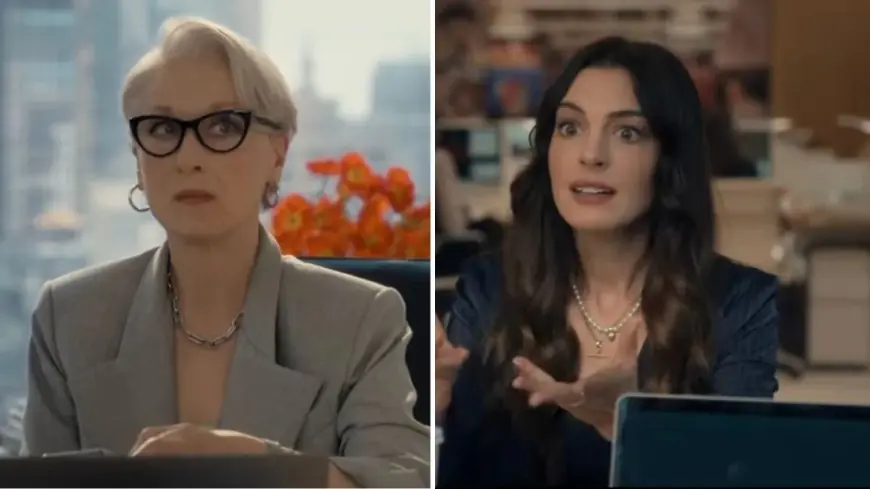
The first full-length Devil Wears Prada 2 trailer is out, reuniting the core cast from the 2006 film and setting up a power struggle that looks less like a reunion tour and more like a corporate fashion war. Meryl Streep returns as Miranda Priestly with her trademark ice-cold precision, while Stanley Tucci is back as Nigel, delivering the kind of cutting commentary that made the original such a rewatch staple.
The sequel, titled The Devil Wears Prada 2, is slated for a May 1, 2026 theatrical release in the United States.
The Devil Wears Prada 2 trailer: what happens
The new footage leans hard into two things fans want: Miranda’s dismissive dominance and a sharpened rivalry between the women who once survived her. The trailer’s biggest laugh is a brutal callback—Miranda acts as if she can’t quite place some familiar faces, brushing off people who still carry emotional scar tissue from their Runway years.
But the overall tone is more combative than nostalgic. The world has changed, the fashion industry has shifted, and everyone has upgraded their ambitions.
Meryl Streep and Stanley Tucci return to form
Streep’s Miranda remains the gravitational force. She’s less “back at the office” and more “back to remind you who built the building.” The trailer suggests Miranda is fighting to keep control in an industry that now rewards brand empires, influencer-scale reach, and corporate consolidation as much as taste.
Tucci’s Nigel appears positioned as both confidant and commentator—still the person in the room who can translate Miranda’s cruelty into something practical, and still capable of landing a line that slices through the drama.
Andy and Emily aren’t assistants anymore
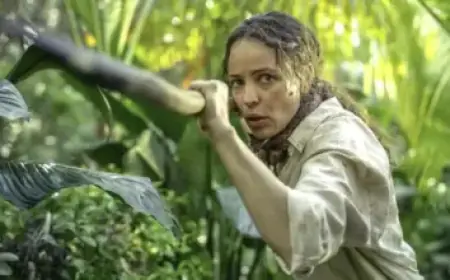
Anne Hathaway’s Andy Sachs is framed as a grown-up version of the character audiences knew—more polished, more powerful, and far less willing to be swallowed by Runway’s culture. The trailer places her back in Miranda’s orbit, but the dynamic looks changed: Andy doesn’t seem like a pawn so much as a player with her own leverage.
Emily Blunt’s Emily is presented as the most direct threat. The sequel’s tension appears to revolve around a high-stakes business clash, with Emily now running a major fashion enterprise of her own—putting her on a collision course with Miranda, and potentially with Andy as well.
Madonna’s “Vogue” turns the trailer into a statement
One of the loudest details fans clocked immediately: the trailer is soundtracked to Madonna, using “Vogue” to underline the film’s obsession with image, power, and who gets to define “taste.” It’s an on-the-nose needle drop in the best way—glamorous, theatrical, and a little smug, which is basically Miranda’s native language.
It also functions as a signal that the sequel is aiming for a larger pop-cultural footprint than a typical legacy follow-up. The music choice turns the trailer into a fashion moment, not just a plot tease.
What we know about the sequel so far
A few concrete points are clear from official release materials and the trailer itself:
-
Release date: May 1, 2026 (U.S. theaters)
-
Returning leads: Miranda, Andy, Emily, and Nigel are all back
-
Creative team: the director and key writer from the 2006 film return
-
New faces: the cast expands with several high-profile additions, including a major role for Kenneth Branagh
Notably, the trailer positions the story as a fight over influence and survival in a transformed industry, rather than a simple “where are they now” update.
How this connects to the original Devil Wears Prada trailer
The 2006 The Devil Wears Prada trailer sold the film as a fish-out-of-water comedy inside a ruthless workplace. The sequel trailer flips that: everyone knows the water, and the sharks are bigger.
Instead of asking whether Andy can survive Miranda, the new question looks more like: who wins when Miranda faces a world that no longer automatically bows to her—and when former underlings have built power of their own?
If the trailer is an honest preview, Devil Wears Prada 2 is leaning into a more modern theme: status isn’t inherited through proximity anymore. It’s built, monetized, defended—and sometimes taken.
Sources consulted: Disney Press; Entertainment Weekly; People; The Guardian