Kennedy Center to close for 2 years starting July 4 under Trump rebuild plan

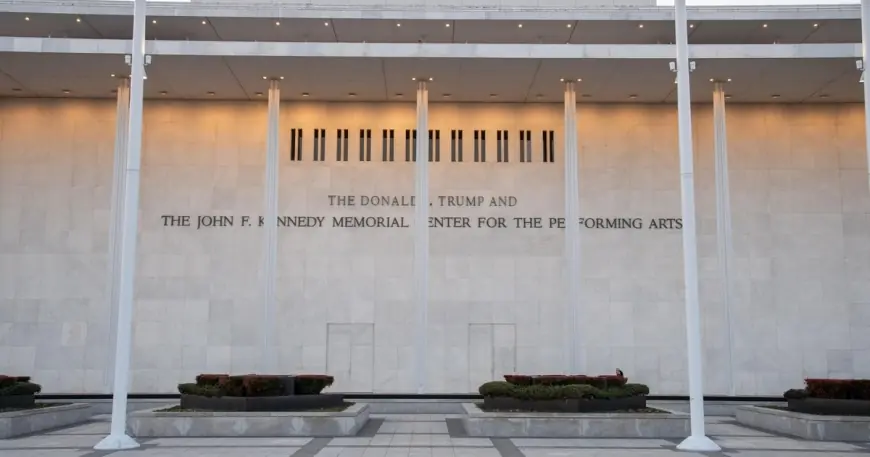
The Kennedy Center to close for 2 years is now the working plan for Washington’s flagship performing-arts venue, after President Donald Trump announced a full halt to entertainment operations beginning July 4, 2026. The shutdown, framed as a “complete rebuilding” and reconstruction effort, immediately raised questions about where major resident organizations will perform, what happens to already-ticketed shows, and whether the plan is as fully financed as claimed.
The move also lands amid a months-long cultural and political storm around leadership changes at the Kennedy Center, with multiple artists and advisers having stepped away as the institution’s direction has become a national flashpoint.
Kennedy Center to close for 2 years: timeline and what’s confirmed
The announcement sets July 4, 2026 as the start date for a two-year pause in entertainment operations—meaning performances would not resume until around mid-2028, assuming the schedule holds. The plan is described as a major reconstruction rather than a phased renovation, reversing earlier public assurances that the venue would remain open during improvements.
Key takeaways
-
The shutdown is slated to begin July 4, 2026, with a planned duration of about two years.
-
The plan is being pitched as a full rebuild rather than a partial renovation.
-
Details on scope, contracting, and financing have not been publicly released in full.
If the timeline holds, it would remove a central stage from the city’s cultural calendar during a period when Washington typically sees heavy visitor traffic tied to national celebrations and peak tourism months.
What the shutdown means for scheduled shows
A practical problem is already visible: listings and promotional materials have, in some cases, shown events beyond the planned closure date. That mismatch can happen when calendars are built months in advance, but it adds uncertainty for ticket holders and touring productions that plan long lead times.
If the two-year pause is enforced as described, productions scheduled after early July 2026 would need to be canceled, rescheduled, or relocated. The key operational questions for patrons are straightforward:
-
whether refunds will be automatic or opt-in,
-
how far in advance cancellations will be announced,
-
and how the venue will prioritize rebooking once reopening dates become firm.
For resident companies and repeat presenters, the stakes are larger: a long displacement can reshape subscription bases, donor cycles, and staffing plans.
Trump Kennedy Center fight and the politics around it
The announcement arrives after Trump reshaped the institution’s leadership and publicly linked the venue’s mission to a more overt cultural agenda. Critics argue the White House has pushed beyond the center’s traditional posture as a broad, nonpartisan national arts home, and some have framed the latest move as trump closing kennedy center in response to a year of reputational damage and soft demand.
Supporters counter that a dramatic reset is needed and that a clean shutdown is the fastest path to a transformed venue. Either way, “trump kennedy center” has become a political shorthand: less about a building renovation and more about control of a nationally symbolic cultural institution.
Artist withdrawals and leadership resignations
The rebuild announcement follows a wave of defections from prominent figures who had formal ties to the center or high-profile plans to appear there. In recent months, creators connected to the musical Hamilton said they would not bring productions under the new management. Several well-known cultural figures also resigned from advisory or leadership roles, including Shonda Rhimes, Renée Fleming, and Ben Folds.
Meanwhile, Washington National Opera has signaled plans to depart the venue, a particularly significant development given its long presence there. The accumulating exits have added to perceptions that the center’s brand has shifted from a broadly shared civic space to a contested political stage—one reason the term kennedy center closing is being read as more than a construction update.
What happens next for patrons and Washington’s arts scene
The near-term next steps depend on concrete documents: construction timelines, relocation plans for resident organizations, and the ticketing policy for affected performances. Until those specifics are published, uncertainty will likely persist for touring calendars, donors, and the broader ecosystem of venues that could become temporary homes for displaced productions.
There is also a bigger institutional question that won’t be resolved by construction alone: how the center balances its legal identity as a memorial to John F. Kennedy with the current leadership’s branding and cultural priorities. That tension is likely to remain even if a rebuilt complex opens on time, because it touches governance, programming philosophy, and who the institution is ultimately meant to serve.
Sources consulted: Reuters; Associated Press; The Washington Post; The John F. Kennedy Center for the Performing Arts