























Regional Allies Urge Diplomacy as Iran Warns U.S. of Middle East Conflict

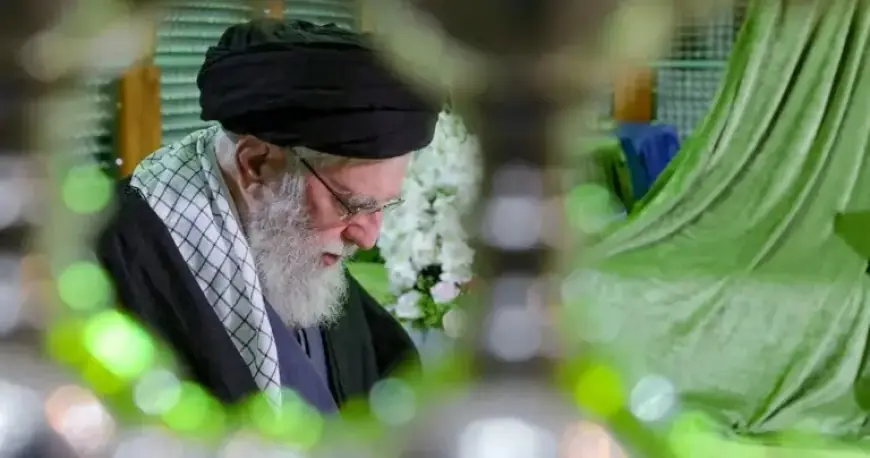
Recent tensions between the United States and Iran have escalated, prompting regional allies to emphasize the importance of diplomacy. Iran’s Supreme Leader Ayatollah Ali Khamenei issued stark warnings about a possible military confrontation, asserting that any U.S. attack could incite a “regional war.” These remarks come on the heels of heightened military presence by the U.S., notably the deployment of the USS Abraham Lincoln aircraft carrier group in the Persian Gulf.
Diplomatic Efforts to Avert Conflict
As tensions rise, U.S. allies in the region, including Turkey and Qatar, are striving to explore diplomatic solutions. A meeting may soon take place in Turkey, although the U.S. participation remains uncertain. This strategy aims to prevent a military escalation following President Trump’s previous statements regarding Iran’s nuclear ambitions.
Iran’s Stance on Regional Stability
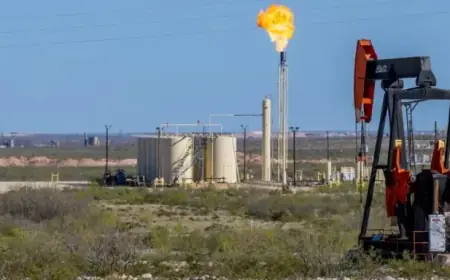
During his address, Khamenei underscored his position, asserting that Iran does not seek conflict but will respond decisively to aggression. He accused the U.S. of being motivated by the desire to control Iran’s oil and natural resources. Khamenei stated, “If anyone shows greed and wants to attack, the Iranian nation will deal a heavy blow.”
Public Unrest and Government Response
Amidst external pressures, internal civil unrest has also marked Iranian society. Protests began in late December over economic grievances but have since escalated into wider dissatisfaction with the regime. Khamenei labeled the protests as “sedition,” likening them to a coup attempt. U.S.-based sources report that the unrest has resulted in significant casualties, with over 6,700 deaths confirmed and approximately 49,500 individuals detained.
Human Rights Concerns
- 6,713 confirmed deaths, mainly among protesters.
- 49,500 individuals reported as detained.
- Official Iranian government figures: 3,117 deaths.
The Iranian government’s figures are disputed, with previous instances showing underreporting of fatalities. As claims of human rights violations grow, the global community watches closely.
Military Exercises in the Strait of Hormuz
In light of these developments, Iran is set to conduct live-fire military drills in the strategically significant Strait of Hormuz. This waterway is crucial for global oil transportation, with around one-fifth of the world’s oil trade passing through it. The U.S. military has issued warnings to prevent any threats to its naval forces during this exercise.
The ongoing standoff highlights the intricate balance of power in the Middle East. As both military and diplomatic routes are considered, the region remains on high alert for any escalations. Navigating these tensions diplomatically is crucial for maintaining stability.