






















NASCAR Today: Cook Out Clash Delay Reshapes the 2026 NASCAR Schedule Conversation as Fans Wait Out a Rare Winter Disruption

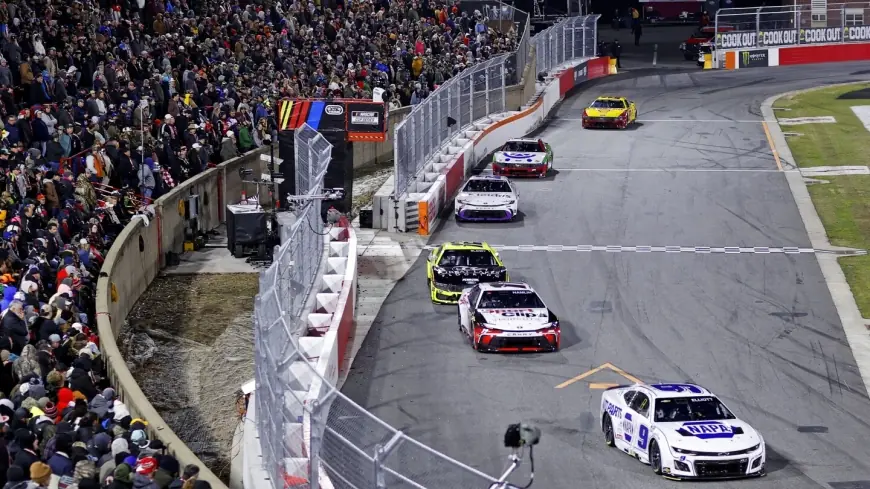
If you’re checking “NASCAR today” on Monday, February 2, 2026, ET, the headline is as much about weather as racing: the season-opening exhibition at Bowman Gray Stadium has been pushed back again after severe winter conditions, leaving teams and fans in a holding pattern before the sport’s calendar accelerates into the Daytona stretch.
The immediate result is confusion across searches like “is the NASCAR Clash today,” “NASCAR schedule 2026,” and “NASCAR Clash,” because the event people associate with opening-week momentum is now sitting in a midweek slot rather than the usual weekend rhythm. That shift might look minor on paper, but it creates ripple effects for preparation, travel, and storytelling ahead of the sport’s biggest early-season showcase.
NASCAR Clash update: when the Cook Out Clash is now scheduled
The exhibition known as the Cook Out Clash is now scheduled for Wednesday, February 4, 2026, at 6:00 p.m. ET at Bowman Gray Stadium in Winston-Salem, North Carolina.
That matters because the Clash is designed as a loud on-ramp: it’s supposed to generate highlights, arguments, and early narrative fuel. Moving it to midweek changes who can attend, how teams structure their week, and how much oxygen it gets in the broader sports calendar.
NASCAR schedule 2026: the next key dates after the Clash
Once the Clash finally runs, NASCAR pivots quickly into its February centerpiece.
Key upcoming checkpoints in ET:
-
Thursday, February 12, 2026: Daytona qualifying races at Daytona International Speedway
-
Sunday, February 15, 2026: Daytona 500 at 2:30 p.m. ET, also at Daytona
From there, the early-season cadence turns into a weekly pressure test: teams must balance performance, crash risk, and experimentation while standings start to matter immediately.
Behind the headline: why Bowman Gray Stadium is a high-reward, high-risk opening bet
Bowman Gray Stadium is iconic precisely because it is tight, loud, and unforgiving. A quarter-mile venue produces contact, tempers, and “how did that fit?” moments that travel well on social and highlight feeds. That’s the incentive for NASCAR: start the year with something that feels visceral and different from the superspeedway spectacle that follows.
But the risk is built in, too:
-
Weather exposure is higher for an event that relies on a compact facility and tight logistics.
-
Midweek rescheduling dilutes the “opening weekend” effect.
-
The short-track format can create randomness that some teams hate in a showcase event.
In other words, NASCAR gets authenticity and intensity, but it also inherits fragility when conditions don’t cooperate.
Stakeholders: who gains, who loses, and who has leverage
This schedule disruption isn’t evenly distributed.
Who benefits:
-
Teams that already had speed in the car and want extra time to finalize setups without burning another points weekend
-
Drivers who thrive in chaotic, short-track environments and want the spotlight to stay on a bruising, personality-driven format
-
The sport’s promotional ecosystem, because delays create fresh waves of attention and repeated “new start time” urgency
Who loses:
-
Fans traveling on fixed plans who can’t pivot to a Wednesday evening
-
Local businesses expecting a weekend surge
-
Teams with tight operational routines who prefer predictable cycles
The leverage sits with the sanctioning body and the teams collectively: they can frame the delay as responsible safety management, while also using the unusual circumstances to keep the event in conversation longer than a clean weekend run would.
What we still don’t know about the Clash and the early 2026 arc
Several missing pieces will decide whether this becomes a footnote or a tone-setter:
-
Whether track and facility conditions allow a smooth run on February 4 without further changes
-
How aggressive teams race in an exhibition after days of anticipation and frustration
-
Whether the final product feels worth the disruption, or whether the midweek slot softens the atmosphere
-
How quickly teams transition from a physical short track to the very different demands of Daytona
Those uncertainties matter because the sport’s early season is mostly narrative. The “what it means” conversation often runs ahead of the standings, and this delay gives everyone extra time to write a story before the green flag even drops.
What happens next: realistic scenarios and the triggers to watch
-
A clean Wednesday show that boosts the format
Trigger: full event completion with memorable battles and minimal operational issues. -
A rough Wednesday that sparks renewed debate about the venue choice
Trigger: prolonged delays, safety complaints, or a messy on-track product. -
A driver feud becomes the first real 2026 storyline
Trigger: high-profile contact that carries into Daytona week. -
NASCAR leans harder into compact, high-intensity showcases
Trigger: strong fan engagement and sustained conversation despite the reschedule. -
The delay fades instantly once Daytona starts
Trigger: a dramatic Daytona week that resets attention and makes the Clash feel like prelude.
Why it matters
NASCAR’s 2026 schedule is built to stack contrasts: a tight, historic short track to open attention, then the sport’s biggest stage at Daytona International Speedway days later. When the opener shifts from weekend to midweek, it tests whether the modern NASCAR audience is driven more by tradition and habit or by moments and immediacy.
Right now, the practical answer to “NASCAR today” is that the sport is in a rare pause, but it’s a pause with stakes: the way Wednesday goes will shape the mood heading into Daytona, and the mood often matters more than people admit.