
























Noah Kahan Documentary Set for 2026 Global Release as the Singer Heads Home and Faces the “What Comes Next” Problem

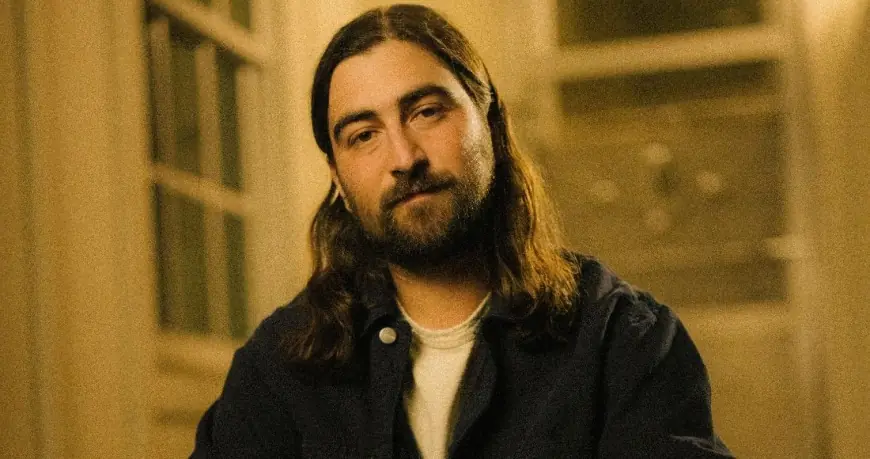
A feature-length Noah Kahan documentary is slated for a global premiere in 2026, following the singer-songwriter through a pivotal stretch after the breakout success of Stick Season. The project has been framed as a homecoming story rooted in Vermont, with filming spanning roughly a year and capturing both the public whirlwind of fame and the private push-and-pull of staying grounded.
A specific release date has not been publicly locked in, which is why searches for “Noah Kahan documentary” keep spiking: fans want to know when it drops, where it will be available, and whether it’s a tour film, a behind-the-album portrait, or something more intimate. The early indications point to a documentary that’s less about stage fireworks and more about the emotional cost of sudden scale.
What happened: the documentary is real, and it’s positioned as a turning-point story
The documentary has been described as following Kahan at a crossroads, returning to his roots and family while navigating the pressure that follows a career-defining hit cycle. That framing is not accidental. Stick Season did something rare: it transformed a regional, rural anxiety into an international sing-along, and it did so with a voice that felt personal rather than manufactured.
That kind of ascent creates a new problem: the next chapter is judged against a peak you never planned on reaching so quickly. A documentary arriving in that window functions as both a portrait and a public record of how an artist metabolizes success.
Behind the headline: why this documentary is being made now
Context matters here. Music careers used to be narrated by albums. Now they’re narrated by moments: a song breaking globally, a tour clip going viral, a lyric becoming a shorthand for a feeling. A documentary is a way to stitch those moments into a coherent arc, and it gives the team around an artist a lever they rarely get with a standard album rollout: control of the timeline.
The incentives line up:
-
For Kahan, it’s a chance to tell the story in his own register, especially if the film leans into honesty about mental health and identity rather than just “look how huge this got.”
-
For the business side, it’s an efficient amplifier. A documentary can re-ignite catalog listening, sell future tickets, and pull casual viewers into a fan community.
-
For a global streaming release, it’s a genre that travels well: personal stakes, place-based authenticity, and a soundtrack people can search immediately after watching.
This is not only a creative project. It is also a strategic one.
Stakeholders: who gains, who risks, and who has leverage
The biggest winners, if the film lands, are the people who benefit from long-tail attention: touring partners, publishers, labels, and the live ecosystem that turns a devoted fan base into sustained momentum. There’s also a reputational upside for Kahan: a well-made documentary can reframe him from “hitmaker” to “artist with a point of view,” which influences everything from festival positioning to future collaborations.
The risks are real, too. A documentary that feels overly polished can backfire with audiences who prize Kahan’s blunt, self-aware voice. And making mental health a central theme invites a different kind of scrutiny: viewers may demand authenticity not just in lyrics, but in how the artist sets boundaries.
Kahan’s leverage comes from the same thing that built the fan base: tone. If the film keeps the wit and the emotional precision that made his writing resonate, it can deepen trust rather than commodify it.
What we still don’t know
Several key details remain unclear and will shape expectations:
-
Release timing: whether it arrives near album season, tour season, or awards season
-
Structure: tour-forward concert spine versus a quieter, home-first narrative
-
Creative depth: how far it goes beyond success highlights into the messy middle of relationships, identity, and pressure
-
Music integration: whether viewers hear substantial new material or primarily the Stick Season era
Until a trailer and formal synopsis land, the best description is directional: homecoming, aftermath, and the search for the next creative spark.
Second-order effects: what a successful documentary could change
If the documentary connects beyond the core fan base, it could accelerate a broader trend: documentaries as the new liner notes for an era where albums are experienced as streams and snippets. It also raises the bar for what “authentic” looks like in pop-folk storytelling. The more audiences reward frankness, the more other artists will feel pressure to perform candor on camera, which can blur the line between openness and obligation.
For Kahan specifically, a strong reception could reshape the narrative around his next album cycle. Instead of “can he top Stick Season,” the question becomes “what does he want to say next,” which is a more sustainable frame.
What happens next: realistic scenarios and triggers to watch
-
A trailer drops and clarifies tone
Trigger: marketing moves from announcement to footage, revealing whether the film is intimate, comedic, heavy, or all three. -
The release aligns with new music
Trigger: official timing ties the documentary to a single, album, or major performance window. -
The film becomes a gateway for new listeners
Trigger: sustained chatter from non-fans, driving catalog spikes and renewed attention to the lyrics. -
Backlash to perceived gloss or oversharing
Trigger: fans sense the story is curated too tightly, or that private material feels leveraged rather than lived. -
A longer franchise of visual storytelling
Trigger: strong viewership leads to extended cuts, behind-the-scenes follow-ons, or a companion live film.
For now, the clean takeaway is this: the Noah Kahan documentary is positioned as a 2026 global release that aims to capture what happens after the dream comes true—when the real work becomes living inside the life you just built.