

























Saks OFF 5TH Discount Store Faces Major Pullback in February 2026 as Closures and Liquidation Sales Accelerate

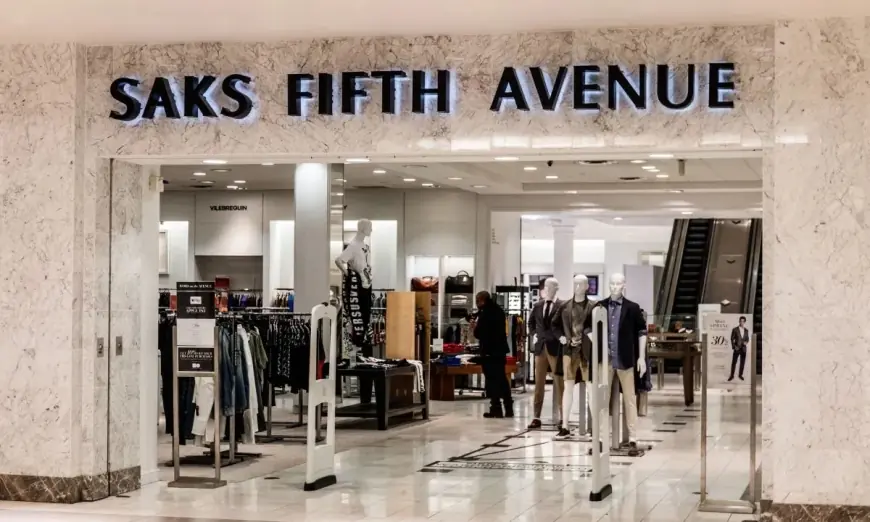
Saks OFF 5TH, the off-price sibling of Saks Fifth Avenue, is undergoing a rapid downsizing in early February 2026 after its parent company entered Chapter 11 reorganization and moved to shut most of the discount chain’s physical footprint. The result is a fast-moving mix of store closing sales, shifting inventory sources, and a new reality for shoppers who relied on Saks OFF 5TH as a consistent place to find marked-down designer labels.
The headline for customers is simple: many locations are winding down quickly, and the online business is also being wound down, meaning the familiar “check the site first, then visit the store” routine may no longer hold for much longer.
Saks OFF 5TH: What the Discount Store Is, and Why It Matters Now
Saks OFF 5TH was built as an off-price format: a place where shoppers could buy discounted fashion and accessories associated with the Saks ecosystem. Off-price retail works when you can reliably source inventory at the right cost, maintain high store traffic, and keep operations lean enough that discounted margins still pay the bills.
In this restructuring, the off-price model has become the pressure valve. Leadership is signaling that the main business priority is protecting the full-price luxury engine, and that the discount arm is no longer worth the ongoing losses and complexity. In practice, that means Saks OFF 5TH is being repositioned from a broad off-price chain into a much smaller outlet channel used mainly to clear excess merchandise from the parent’s luxury banners.
What’s Happening in February 2026: Closures, a Smaller Store Base, and an Online Wind-Down
The most significant development is the scale of the closures. The company has announced it will keep only a small number of Saks OFF 5TH stores open while closing the majority of locations. Those remaining outlets are intended to function primarily as a release valve for excess inventory rather than a growth channel.
At the same time, the digital operation tied to the off-price brand is being liquidated and wound down. For shoppers, that has two immediate implications:
First, inventory visibility may become less predictable. The ability to browse broadly online and then decide whether to buy in store is likely to shrink as the liquidation progresses.
Second, policies and timelines matter more than usual. Returns, exchanges, and the fine print around final-sale merchandise can change during liquidation events, and shoppers should expect more exclusions as markdowns deepen.
Behind the Headline: Why This Is Happening Now
Context: Off-price has been one of retail’s most resilient categories, but it is not immune to balance-sheet stress. When a parent company is carrying heavy debt and facing supplier pressure, every business line gets evaluated on cash impact, operational complexity, and how quickly it can be simplified.
Incentives are driving the timing:
-
Cash preservation: Closing stores can reduce ongoing losses and free up capital.
-
Supplier stabilization: Bankruptcy restructurings often prioritize rebuilding trust with vendors by getting payables under control.
-
Focus: Leadership is choosing to concentrate on higher-margin luxury operations and reduce distractions that do not support that core strategy.
Stakeholders are wide:
-
Employees face sudden disruption, potential transfers, or layoffs.
-
Landlords and malls may inherit another wave of vacancies, especially in secondary locations where discount anchors help drive foot traffic.
-
Shoppers lose a familiar discount destination and may see fewer Saks-branded bargains outside major metro areas.
-
Luxury brands may benefit if fewer discounted channels reduce price erosion, but they may also lose a convenient outlet for clearing aged inventory.
What Shoppers Still Don’t Know, and What to Watch
Several practical details remain fluid in fast shutdown cycles:
Which locations stay open: Announcements typically identify a smaller “survivor” group, but store-by-store timing can shift based on lease terms, inventory levels, and liquidation logistics.
How long liquidation lasts: Some stores close quickly once inventory is sold through, while others run scheduled phases of deeper markdowns.
Returns and customer service: Even if baseline return windows exist, liquidation periods often introduce more final-sale categories and narrower conditions. If you are buying higher-ticket items, ask at checkout whether the item is final sale and keep your receipt.
Gift cards and credits: In bankruptcy-related retail events, customers should pay close attention to any posted deadlines for gift cards or store credits and any restrictions on using them during liquidation.
What Happens Next: 6 Realistic Scenarios and Their Triggers
-
Faster-than-expected store closures
Trigger: Strong early liquidation demand clears inventory quickly. -
Markdown intensity increases in waves
Trigger: Inventory lingers in specific categories, prompting deeper discounts. -
Remaining stores shift to a narrower mission
Trigger: The company uses the surviving outlets mainly to move excess luxury inventory rather than buy broad off-price assortments. -
Customer service bottlenecks grow
Trigger: Reduced staffing, high volume, and tighter policies collide. -
A brief rebound in traffic that does not translate to long-term survival
Trigger: Deal hunters flood stores during liquidation, then disappear once the event ends. -
The brand becomes mostly an outlet label rather than a full network
Trigger: Corporate strategy prioritizes full-price luxury and treats off-price strictly as a clearance mechanism.
Why It Matters Beyond One Chain
This is not only a Saks OFF 5TH story. It is a snapshot of how modern retail restructurings work: simplify the portfolio, protect the highest-margin core, and reduce channels that can dilute pricing power. The second-order effects will show up in mall occupancy, local retail jobs, and the way luxury companies manage excess inventory without training customers to wait for discounts.
For shoppers, the near-term playbook is straightforward: if you are hunting deals, move quickly, verify return rules before you buy, and treat liquidation pricing as dynamic rather than guaranteed. For the retail industry, the message is sharper: even well-known discount banners can be cut down to size when the parent company decides the future is fewer channels, tighter control, and less tolerance for losses.