























Jack Antonoff Grammys night: Margaret Qualley joins him as spotlight shifts

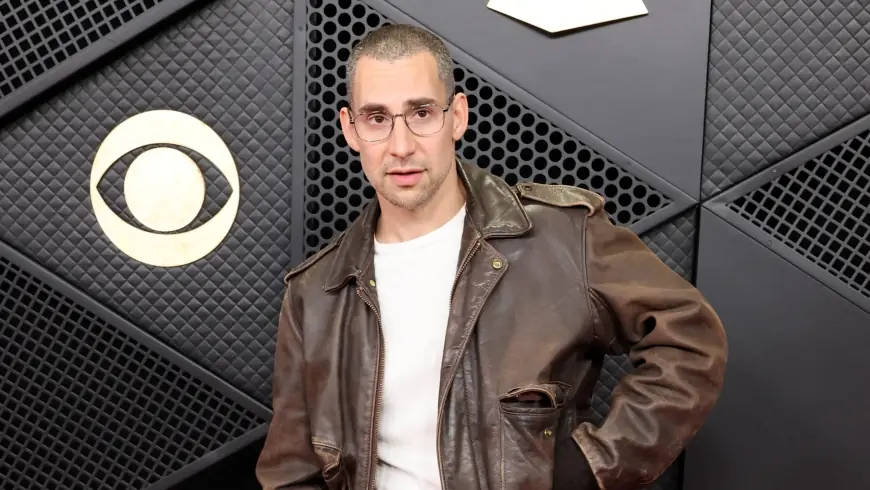
Jack Antonoff arrived at the Grammys this weekend with a familiar mix of momentum and scrutiny: a high nomination count, multiple major-category credits, and a track record that has made him one of the awards’ defining producers of the last few years. Margaret Qualley later joined him inside the ceremony for a low-key date night that still drew plenty of attention, helped along by backstage photos with fellow stars.
The broader headline for Antonoff was less about a single trophy and more about what the evening signaled: the Grammys’ producer hierarchy is getting more crowded, and the “default winner” era for any one name is harder to sustain.
Jack Antonoff Grammys: nominations, credits, and what he won
Antonoff entered the ceremony with seven nominations, putting him among the most-nominated figures of the night. Many of those nods traced back to his producer and songwriter roles on projects that sat near the center of pop and rap’s mainstream conversation in the past year.
Two credits drew particular focus:
-
“Manchild” (Sabrina Carpenter), which landed in the Record of the Year field and carried Antonoff’s production and songwriting fingerprints.
-
“Luther” (Kendrick Lamar with SZA), another major-category contender tied to a high-profile rap album cycle.
Antonoff’s night also came with a notable absence: he did not take home Producer of the Year, Non-Classical, a category he had controlled in recent seasons. The award went to Henry “Cirkut” Walter, underscoring how quickly the center of gravity can shift when the ballot is packed with blockbuster releases.
Margaret Qualley’s late arrival and the couple’s quiet approach
While Antonoff appeared on the red carpet alone in a casual look, Qualley joined him later inside the event, leaning into a minimalist, classic style that contrasted with the night’s more theatrical fashion swings. Their approach fit the way they’ve tended to operate as a couple: present, visible, and still relatively restrained compared with the louder “awards season campaign” energy that can surround high-profile pairs.
Backstage, they were photographed in a tight celebrity orbit that included Billie Eilish and Miley Cyrus—images that moved quickly across fan channels and kept the duo in the conversation even when the broadcast focus shifted to performances and top-category reveals.
Why this year felt different for Antonoff
Antonoff’s Grammys story has often been framed as dominance: a producer whose sound has been everywhere and whose awards shelf reflected it. This year, the narrative subtly changed. The nomination haul reinforced his continued influence, but the Producer of the Year result suggested a more competitive landscape where “ubiquitous” no longer guarantees the headline win.
That shift matters because his role in the industry has expanded beyond individual tracks. Antonoff’s brand is now tied to a particular kind of modern pop craft—clean but emotional, meticulous but immediate, built for both arena scale and headphone intimacy. When voters move elsewhere, it can signal changing tastes as much as it reflects the year’s release calendar.
The bigger Grammys context around him
This ceremony carried a few structural storylines that shaped how Antonoff’s presence was read:
-
The top of the ballot was crowded, with major artists and producers splitting attention across multiple blockbuster albums.
-
Genre walls remained porous, with pop and rap projects crossing into each other’s spaces through features and shared production teams.
-
“Producer as celebrity” continued to grow, but the wins showed voters still spread recognition across multiple sonic styles.
In other words: Antonoff remained central, but not singular.
What to watch next
The near-term question is how Antonoff’s next year of credits is curated. A nomination-heavy season can encourage a producer to double down on what works. A high-profile loss can push experimentation—or simply a shift toward fewer, more selective projects with clearer awards narratives.
For Qualley, the attention is different but related: awards-season visibility often translates into higher heat for future roles, especially when paired with a spouse whose work is already tied to headline-making releases. Their appearance together adds to that compounding effect—one more moment that keeps both names in the cultural feed without needing a formal “campaign.”
If the past few years showed Antonoff as the default face of a certain pop era, this Grammys night hinted at the next phase: still present in the biggest rooms, but sharing the spotlight with a widening group of peers.
Sources consulted: Recording Academy, Associated Press, Variety, People