





















NBA Trade Deadline 2026: De’Andre Hunter to the Kings, Dennis Schröder and Keon Ellis to the Cavs, and the Lonzo Ball Rumors Heat Up

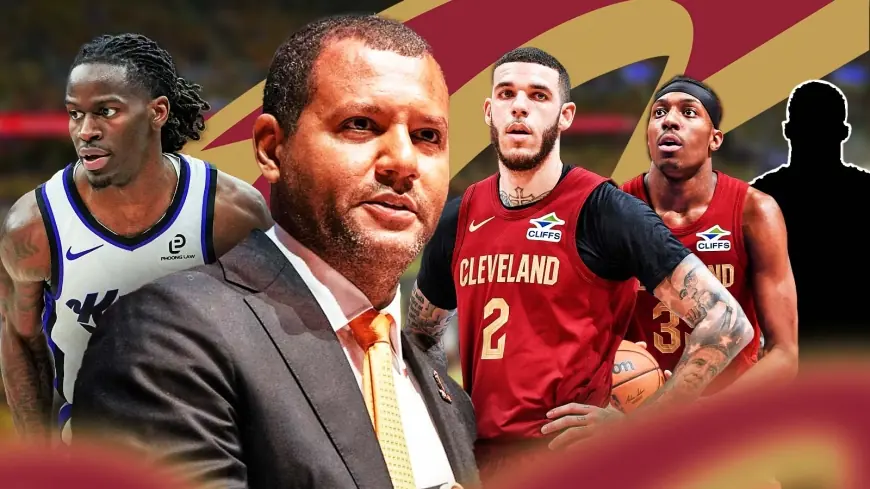
With the NBA trade deadline set for Thursday, February 5, 2026 at 3:00 PM ET, the market snapped into sharper focus over the weekend when a three-team deal reshuffled the Sacramento Kings, Cleveland Cavaliers, and Chicago Bulls. The headline move sends wing scorer De’Andre Hunter to Sacramento, while Cleveland gets veteran guard Dennis Schröder and defensive-minded guard Keon Ellis. Chicago steps in as the facilitator, taking on Dario Šarić and adding future second-round picks.
This is exactly the kind of trade that tends to set the tone for deadline week: a contender re-balances roles, a team fighting for traction targets a fit upgrade, and a third team quietly accumulates draft capital while keeping its books flexible.
The De’Andre Hunter Trade: Why the Kings Pounced and the Cavs Pivoted
What happened is clean on paper. The Kings add Hunter, a two-way wing with size who can score in the flow and hold up defensively. Sacramento’s bet is that a plug-and-play forward matters more than guard depth when playoff possessions tighten and teams hunt mismatches.
Cleveland’s side reads like a strategic pivot. Moving off Hunter and adding two guards does three things at once:
-
It deepens the rotation in the backcourt for the stretch run.
-
It reduces long-term financial pressure tied to roster construction.
-
It opens optionality for a second move before the deadline, rather than locking the roster into one expensive shape.
Chicago’s involvement is the classic “make the math work” role, but the picks are the story. The Bulls are effectively converting cap flexibility into draft assets while staying nimble enough to keep selling, buying, or simply waiting.
Keon Ellis Contract Watch: The Quiet Deadline Lever Cleveland Just Bought
Keon Ellis isn’t just a throw-in. His value is tied to two things teams chase in February: perimeter defense and controllable team-building options.
Ellis becomes extension-eligible on Sunday, February 9, 2026, with a deal that can reach three years and 52 million dollars. That matters because it gives Cleveland a real choice after the deadline:
-
If he fits quickly, the Cavs can treat him as a longer-term piece and retain him.
-
If he pops immediately, he becomes an asset with clearer contractual pathways.
-
If the fit is shaky, Cleveland still has a defined decision timeline that prevents a slow drift into uncertainty.
In other words, Ellis is not only a player, he is a roster-management tool.
NBA Trade Rumors: Lonzo Ball Moves From Side Plot to Possible Next Domino
The name popping up most around Cleveland after the Hunter deal is Lonzo Ball. The logic is straightforward: his salary slot is manageable, the role has been uneven, and his contract structure is the kind that rebuilding teams can absorb or contenders can use as matching salary in larger constructions.
If Cleveland already achieved one objective, reducing financial strain while improving depth, a Ball trade would look like the second step of the same plan: streamline the rotation, clarify ball-handling responsibilities, and convert a complicated fit into either a cleaner contributor or future flexibility.
The key missing piece is the buyer. A team that wants Ball has to believe it can stabilize his role and health while accepting that his offense may be more connector than creator. That profile fits teams that need structure and defensive size in the backcourt more than teams searching for a primary engine.
Where the Chicago Bulls Fit: Picks In, Options Open, More Moves Possible
For Chicago, this trade reads like a team keeping the door open to multiple directions:
-
If the Bulls lean into a reset, extra second-round picks are useful currency.
-
If they try to stay competitive, expiring money and flexible roster spots matter.
-
If they want a bigger deal, being the team that can absorb contracts without panicking is often how you get invited into more trades.
Šarić’s short-term status also signals how these deadline facilitation roles usually end: the player is less important than the roster slot and the future assets attached to it.
Behind the Headline: Incentives, Stakeholders, and Why This Week Could Get Loud
Context: The deadline is close enough that teams stop negotiating in theory and start negotiating in consequences. Every front office can now point to the clock and force clarity.
Incentives:
-
Sacramento is buying lineup balance, not just talent.
-
Cleveland is buying flexibility and multiple pathways, both competitive and financial.
-
Chicago is accumulating tradable value while staying capable of pivoting fast.
Stakeholders:
-
Players on the move and those whose roles will shrink.
-
Coaches who need these pieces to fit in days, not weeks.
-
Owners who care about playoff revenue and tax bills.
-
Fan bases that judge “doing something” even when “doing the right thing” is quieter.
What we still don’t know:
-
Whether the Kings view Hunter as the final add, or the first of multiple moves.
-
Whether Cleveland’s next step is a Ball trade or a smaller depth tweak.
-
Whether Chicago is still actively shopping more of the roster, or waiting for a better price.
What Happens Next: 5 Scenarios Before the NBA Trade Deadline Hits
-
Kings make one more consolidation move
Trigger: A clear upgrade appears that costs only seconds or a fringe rotation player. -
Cavaliers flip Lonzo Ball for a cleaner fit
Trigger: A team offers a pick or a player who fills a sharper need. -
Bulls expand into a larger multi-team deal
Trigger: Another contender needs a third team to absorb money and route assets. -
Market stalls until the final hours on February 5
Trigger: Too many teams wait for a bigger star to move first. -
A surprise buyer emerges for a “connector guard” archetype
Trigger: An injury or a sudden slide in the standings forces urgency.
The practical takeaway: the Hunter-for-Schröder-and-Ellis framework isn’t just a trade, it’s a signal. The league is entering the part of deadline week where teams stop asking “what could we do?” and start deciding “what are we willing to live with?”