
























YouTube’s Strategy Advances Toward Replacing Traditional TV

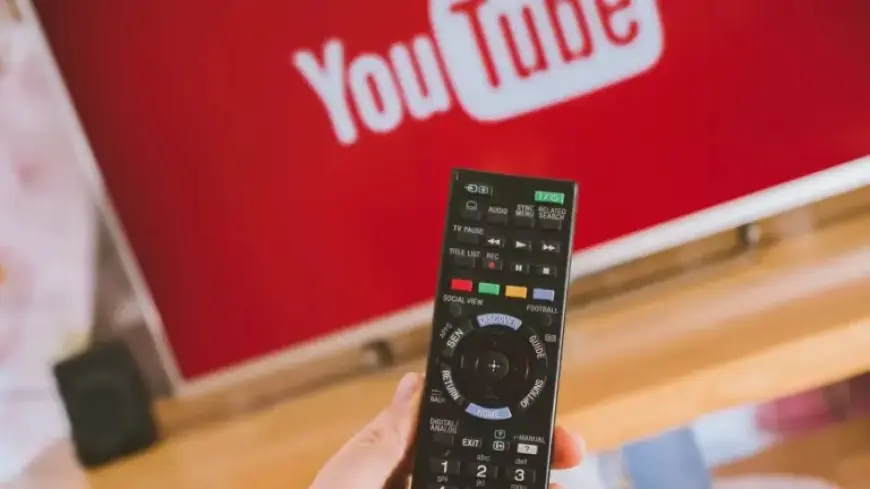
Streaming has rapidly transformed how audiences consume television, with 2025 projected to see streaming capture nearly 45% of total viewership. This surpasses both broadcast and cable television, as reported by Nielsen. Among various streaming services, YouTube has emerged as the leading platform, enjoying over 20 years of prominence. This trend suggests a significant shift in viewing habits and highlights YouTube’s strategic endeavors to further entrench itself in the television landscape.
YouTube’s New Strategy: Collaborating with the BBC
In January, the BBC announced they would begin creating original content specifically for YouTube. While the precise details of the programming remain unclear, the BBC aims to produce a diverse array of shows, spanning entertainment, documentaries, children’s programming, news, and sports. This move is unprecedented for a legacy media organization, signaling a significant evolution in their content strategy.
- Content types include:
- Entertainment
- Documentaries
- Children’s channels
- News
- Sports
Currently, the BBC has over 15 million subscribers across various YouTube channels. However, these channels predominantly promote BBC shows airing elsewhere. The new collaboration aims to provide content directly for YouTube, an approach that could enhance the platform’s appeal and viewership.
YouTube Expands into Live Events and Programming
YouTube’s dominance is evident in its approach to live events. The platform commits $2 billion annually to the NFL’s Sunday Ticket, which allows fans to watch local-market games. Furthermore, starting in 2029, the Academy Awards will exclusively stream on YouTube, marking a significant departure from traditional broadcast networks.
Despite these advancements, YouTube has yet to fully penetrate the scripted television market. Unlike established networks such as HBO, which produce high-quality series, YouTube generally relies on individual creators. While successful creators like MrBeast have made waves, his production choices indicate a reliance on platforms like Amazon Prime for larger projects.
The Implications of YouTube’s Evolution
With its collaboration with the BBC, YouTube may start bridging the gap in scripted programming. The BBC’s rich history of producing iconic series could support YouTube in establishing a stronger foothold in this domain. If successful, other legacy media organizations may follow suit, reshaping the landscape of digital streaming.
Currently, Netflix is also making moves in the marketplace, pursuing the acquisition of Warner Bros. Discovery to counter YouTube’s growing influence in streaming. This competition underlines a crucial challenge for platforms as they fight to maintain relevance in a shifting environment.
The Future of Streaming
YouTube’s ascendance raises questions about its potential to monopolize TV viewing. Growth in viewership could lead to changes in content access and monetization strategies, potentially impacting user experience. Moreover, legal challenges surrounding issues of addiction and mental health present additional obstacles as the platform navigates its evolution.
As YouTube looks to solidify its position, it faces the responsibility of balancing user engagement with ethical considerations, ensuring that its progression benefits all stakeholders involved.