






















Grammys 2026 winners: Bad Bunny takes Album and Record, Gaga wins Song

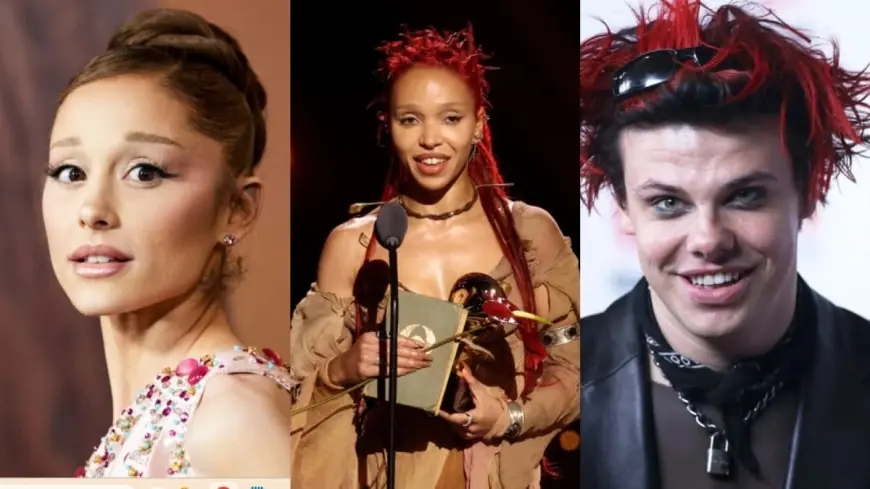
The 2026 Grammy Awards delivered a headline pattern that rarely happens on the same night: one artist dominated the top prizes while several genre categories produced decisive, repeatable wins. Bad Bunny emerged as the evening’s biggest overall name in the General Field, while Lady Gaga, Olivia Dean, and Kendrick Lamar anchored other major moments across pop, new artist, and rap.
The ceremony took place on Sunday, Feb. 1, 2026, in Los Angeles, with the main telecast airing in prime time 8:00–11:30 p.m. ET, following an afternoon ceremony that presented most categories.
The Big Four, at a glance
Here are the night’s top General Field winners (all titles as awarded):
| Category | Winner |
|---|---|
| Record of the Year | “DtMF” — Bad Bunny |
| Album of the Year | DeBÍ TiRAR MáS FOToS — Bad Bunny |
| Song of the Year | “Abracadabra” — Lady Gaga (songwriters honored) |
| Best New Artist | Olivia Dean |
Bad Bunny’s sweep of both Record and Album gave the night an immediate through-line: a global superstar converting nominations into the two most visible trophies of the broadcast.
Bad Bunny’s night: two top trophies and a bigger signal
Winning Record of the Year and Album of the Year in the same ceremony reshapes the post-Grammys conversation for the rest of February. It boosts the odds of heavier radio rotation, playlist prominence, and the kind of late-cycle sales bump that can turn a strong era into a definitive one.
It also reinforces how the academy’s top categories are increasingly reflecting multilingual, international, and genre-blended mainstream listening habits—less as a “special moment” and more as the center of the room.
Lady Gaga’s Song of the Year: craft over flash
Song of the Year, awarded to the songwriters, went to “Abracadabra.” The result matters because it’s the category most directly tied to writing and composition rather than performance or production. In practice, it’s often read as an industry-wide nod to craftsmanship and durability—what will still stand up a decade later, not just what ruled the moment.
Gaga’s win also landed alongside a strong showing elsewhere in pop fields, keeping her album cycle firmly in the awards-season driver’s seat even without taking the top Album prize.
Olivia Dean breaks through with Best New Artist
Olivia Dean won Best New Artist, a category that can be less predictable than the Big Four might suggest. The win typically becomes a booking accelerant: festival slots, late-night appearances, international tour routing, and higher-profile collaborations tend to follow quickly.
The category also functions like an industry-wide “co-sign,” and Dean’s victory positions her as one of the year’s key breakout stories rather than simply a critical favorite.
Kendrick Lamar, Leon Thomas, and the genre standouts
While the General Field was top-heavy, the genre categories produced their own defining winners:
-
Kendrick Lamar won Best Rap Album for GNX, adding a major rap-field centerpiece to the night’s narrative.
-
Leon Thomas won Best R&B Album for Mutt, a result that cements his move from rising talent to category leader.
-
Turnstile won Best Rock Album for Never Enough, continuing rock’s recent trend toward heavier, more kinetic crossover winners.
-
The Cure won Best Alternative Music Album for Songs of a Lost World, giving the night a legacy-artist highlight with real competitive weight.
Behind the scenes awards also carried momentum value: Cirkut won Producer of the Year (Non-Classical), and Amy Allen won Songwriter of the Year (Non-Classical), two results that tend to echo through credits, sessions, and high-profile commissioning for the year ahead.
What to watch next after the winners
The biggest near-term story isn’t just who won—it’s whether the wins translate into measurable movement:
-
Tour announcements and routing changes: Big-category winners often expand or extend tours, especially if demand spikes immediately after the show.
-
Streaming and sales jumps: Album and Record winners frequently see sharp week-over-week increases, particularly in markets where the Grammys still function as a mass-audience signal.
-
Collaboration season: Best New Artist winners often land a cluster of features within 60–90 days as labels and managers capitalize on attention.
In short: the 2026 winners set up a clear early-year hierarchy—Bad Bunny at the top of the marquee, Gaga owning the songwriting prestige lane, and Olivia Dean emerging as a new mainstream force—while rap, R&B, rock, and alternative each produced winners likely to shape the rest of the year’s conversations.
Sources consulted: Recording Academy; Associated Press; People; Pitchfork