




















Trump’s Chosen Delegate May Defy His Expectations

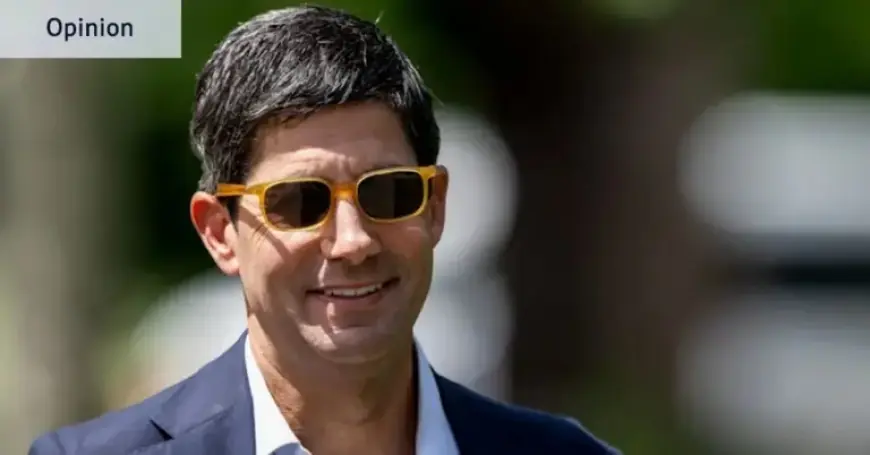
Donald Trump’s recent nomination of Kevin Warsh as the next chair of the Federal Reserve Board has created a wave of mixed reactions across financial markets. The implications of Warsh’s potential leadership are stirring uncertainty regarding the future of U.S. interest rates.
Market Response to Warsh’s Nomination
The announcement led to notable fluctuations: stocks fell, bond yields rose modestly, and the U.S. dollar strengthened. Precious metals experienced significant drops, marking one of the largest declines in decades. Gold prices plummeted over 12%, while silver, closely correlated with gold, sank more than 30%.
Key Market Metrics
- Gold Price Drop: Over 12%
- Silver Price Drop: More than 30%
- Bitcoin Slump: More than 13%
Warsh’s Economic Stance and Qualifications
Kevin Warsh, a former governor of the Federal Reserve, has a history of advocating for higher interest rates and a reduced balance sheet for the central bank. He was considered for the Fed’s chair position by Trump in 2017, a role ultimately awarded to Jerome Powell. Trump’s previous concerns about Powell’s performance seem to have influenced his decision to nominate Warsh.
Trump has expressed high hopes for Warsh, declaring he could become “one of the GREAT Fed Chairmen, maybe the best.” However, Warsh’s previous positions include a strong advocacy for maintaining the Fed’s independence. He has argued against political interference, particularly in regulatory policy.
Potential Conflicts Ahead
Warsh’s current alignment with Trump’s preference for lower interest rates poses a potential conflict, as he has long supported higher rates to combat inflation. His nomination could lead to challenges within the Federal Reserve’s governing body, which consists of a seven-member board and numerous voting members.
Considerations for Warsh’s Leadership
- Congressional Ratification: Warsh needs confirmation from Congress.
- Independence of the Fed: A risk exists that Warsh’s leadership may cause doubts about the Fed’s impartiality.
- Interest Rate Dynamics: Warsh must navigate lower short-term rates without relying on Fed asset purchases to maintain financial stability.
The Path Forward
With Jerome Powell’s term concluding in May, Warsh’s leadership style will significantly impact whether Trump’s vision for lower interest rates can be realized. His fate may hinge on balancing Trump’s directives with a commitment to the Fed’s established principles.
Ultimately, the financial landscape will largely depend on how Warsh navigates the complex relationship between presidential expectations and the foundational independence of the Federal Reserve. His ability to influence monetary policy remains uncertain as he engages with the Fed’s diverse board of governors.