




















Trump’s Immigration Agenda Divides Republican Party


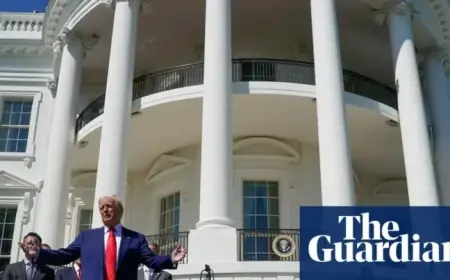
As the 2026 political landscape unfolds, President Trump’s immigration agenda is stirring divisions within the Republican Party. Recent events, including a tragic shooting incident involving federal agents in Minneapolis, have prompted an unexpected wave of criticism from GOP officials.
Republican Dissent on Immigration Policy
Republican leaders, usually hesitant to challenge Trump, have voiced concerns about the administration’s handling of immigration enforcement. Noteworthy figures include:
- Senator Susan Collins> of Maine
- Senator Jon Husted of Ohio, who emphasized the need for an objective investigation
- Representative Mike Lawler of New York, representing a competitive House district
- Senator Jerry Moran of Kansas, raising alarms about the administration’s tactics
- Governor Greg Abbott of Texas, suggesting a need for the White House to “recalibrate” its strategy
Polling data indicates a shift in sentiment among Republicans. A growing portion express disapproval of the hard-line policies enacted by Immigration and Customs Enforcement (ICE). Additionally, a Pew Research Center survey reveals that GOP members no longer feel obliged to support Trump when they disagree.
Trump’s Awareness of the Political Landscape
This shift in Republican sentiment has not gone unnoticed by Trump. Following the backlash from his party, he appeared to respond to allies advocating for changes regarding the Minneapolis situation. Analysts interpret this as a sign of his waning control over an increasingly critical issue.
Brad Todd, a Republican strategist, highlighted the importance of maintaining a strong stance on immigration. He stated, “There’s no path to victory in November without a decided advantage on it. That’s going to require some adjustment.” This sentiment underscores the lingering belief that Republicans must dominate the immigration debate to secure electoral success.
Potential Risks for Democrats
The turmoil surrounding immigration also poses risks for the Democratic Party. Democratic leaders, particularly in cities affected by recent ICE actions, are committed to ensuring accountability. However, they face criticism if they adopt extreme rhetoric against ICE. Robert Blizzard, a Republican pollster, warned that such messaging could backfire in suburban and rural areas.
The political dynamics surrounding immigration remain fluid, with Trump’s influence still significant among Republican voters. Despite some dissent, many GOP candidates are likely to align closely with Trump’s policies, particularly in primary elections. A recent New York Times/Siena poll suggests that around half of voters support Trump’s immigration policies.
Conclusion
As 2026 approaches, the fracture within the Republican Party over immigration is evident. The party must navigate this complex issue while maintaining unity and a strong front ahead of the elections. The responses from both parties will shape the political narrative and potentially influence their respective standings in the upcoming electoral battle.