























Trump Targets Canada with Aircraft Tariffs Over Gulfstream Approval Issues

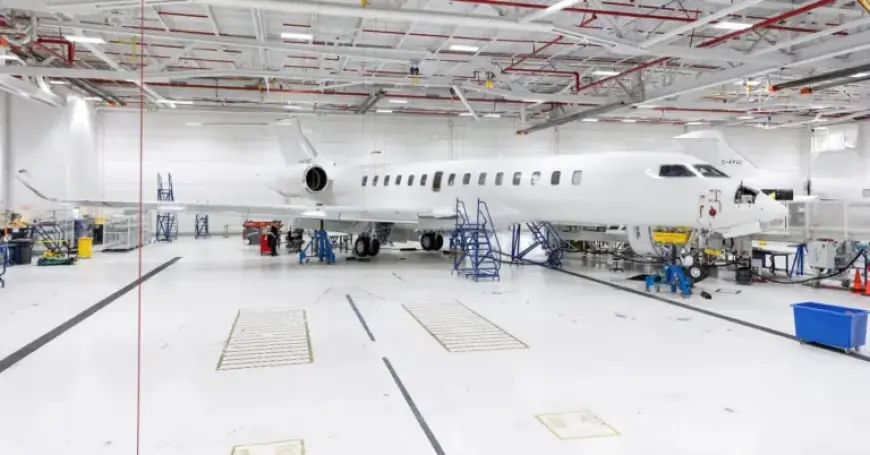
President Donald Trump recently announced significant measures against Canadian-made aircraft due to ongoing certification issues with rival Gulfstream’s jets. He threatened a steep 50% tariff on all aircraft manufactured in Canada until there are resolutions regarding the Gulfstream certification process. This declaration marks a notable escalation in trade tensions between the United States and Canada.
Key Details of the Tariff Threat
In a post on Truth Social, Trump highlighted the U.S. plans to decertify Bombardier Global Express business jets. He stated, “If, for any reason, this situation is not immediately corrected, I am going to charge Canada a 50% Tariff on any and all aircraft sold into the United States of America.” Trump’s comments are part of broader discussions surrounding trade practices and regulatory compliance between the two nations.
Current Aircraft Statistics
Data provider Cirium reports that there are over 5,000 Canadian-made aircraft registered in the U.S. Of these, 150 are Bombardier Global Express jets, operated by approximately 115 carriers. Canadian airplanes comprise a considerable part of the regional services utilized by major U.S. airlines such as American Airlines and Delta Air Lines.
- 5,425 total Canadian-made aircraft in the U.S.
- 150 Bombardier Global Express jets currently operational in the U.S.
- 115 different operators of these aircraft
Impact on the Aviation Industry
The proposal to impose tariffs presents severe implications for various U.S. airlines that rely on Canadian-manufactured planes. A White House official clarified that Trump’s statements do not imply the decertification of currently operational Canadian-built flights. This highlights a distinction between regulatory actions and the practical realities of airline operations.
Representatives from Bombardier expressed their concern regarding Trump’s statement, asserting the need for a swift resolution to avoid disruption in air traffic. They are currently in dialogue with the Canadian government to address these issues.
Aviation Certification Process
The Federal Aviation Administration (FAA) oversees aircraft safety certifications but has stated it lacks legal authority to revoke certifications on economic grounds. Regulators like the FAA and Transport Canada follow strict safety protocols but can face pressures related to geopolitical and trade disagreements.
With aircraft safety being paramount, many experts caution against politicizing the certification process. Richard Aboulafia from AeroDynamic Advisory commented that intertwining safety and economic grievances could destabilize the aviation market.
Conclusion
As Trump targets Canada with potential tariffs and decertification threats against its aircraft manufacturing industry, the situation remains fluid. Stakeholders in both countries are closely monitoring developments, as these moves have the potential to reshape North American aerospace dynamics.