

























AMD Ryzen 7 9850X3D: DDR5-4800 vs. DDR5-6000 Benchmark Performance Review

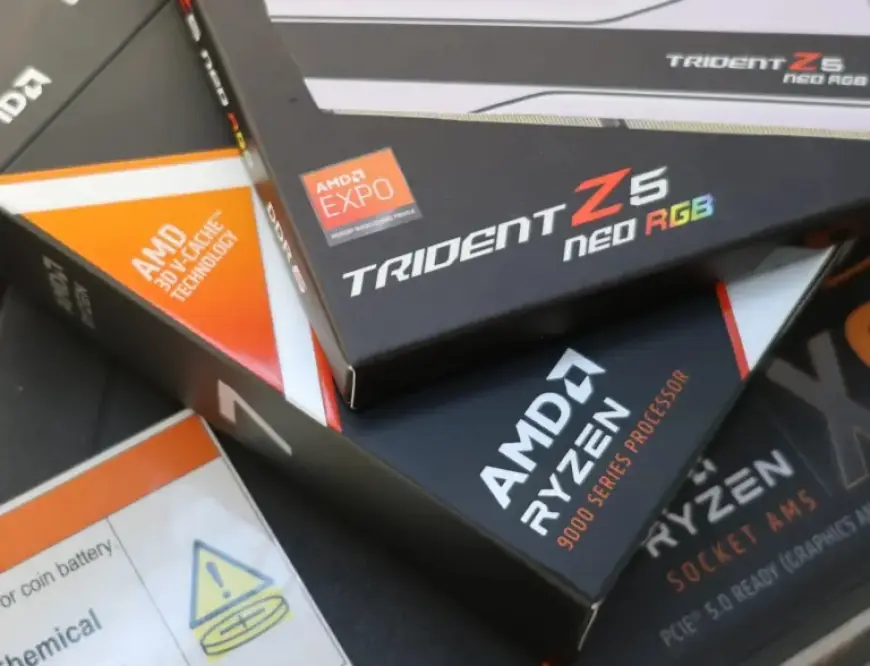
The launch of the AMD Ryzen 7 9850X3D has spurred interest in its compatibility with DDR5 memory. One notable aspect is the potential of using lower memory speeds, specifically DDR5-4800, without significantly impacting gaming performance. This article explores the differences in performance between DDR5-4800 and DDR5-6000 while focusing on various workloads, particularly for Linux gaming.
Overview of AMD Ryzen 7 9850X3D
The AMD Ryzen 7 9850X3D features 2nd Gen AMD 3D V-Cache technology, which aims to enhance performance efficiency. It operates as an 8-core, 16-thread desktop processor, making it particularly suitable for high-demand tasks.
Testing Methodology
Benchmark testing compared DDR5-4800 with DDR5-6000 memory using the Ryzen 7 9850X3D within a Linux environment. The tests were conducted using Ubuntu 25.10 and the Linux 6.17 kernel on an ASRock X870E Taichi motherboard. The memory configurations included:
- 2 x 16GB DDR5-4800 DIMMs – approximately $400
- 2 x 16GB DDR5-6000 DIMMs – approximately $470
Performance Insights
AMD suggests that for gaming, the performance drop when using DDR5-4800 is minimal compared to DDR5-6000. This finding is critical for users considering budget constraints, as memory pricing remains volatile.
Benchmark Results
The benchmarks offer insight into not just gaming, but also various workloads such as:
- Web Browsing
- Code Compilation
- Creator Workloads (Video Encoding)
- Blender and CPU-Based Rendering
- Database and LAMP Server Performance
- Technical Computing Tasks
- AI Workloads
This detailed analysis can guide potential buyers to weigh the cost-benefit ratio of investing in higher-speed memory or utilizing existing RAM.
Conclusion
The benchmarks serve as a reference for understanding the performance implications of DDR5-4800 versus DDR5-6000 with the AMD Ryzen 7 9850X3D. Whether gaming or handling multi-threaded tasks, users can make informed decisions based on this performance data. As memory prices fluctuate, evaluating the best option for individual needs becomes essential.