






















Swiatek and Pegula Support Gauff’s Call for Privacy at Australian Open

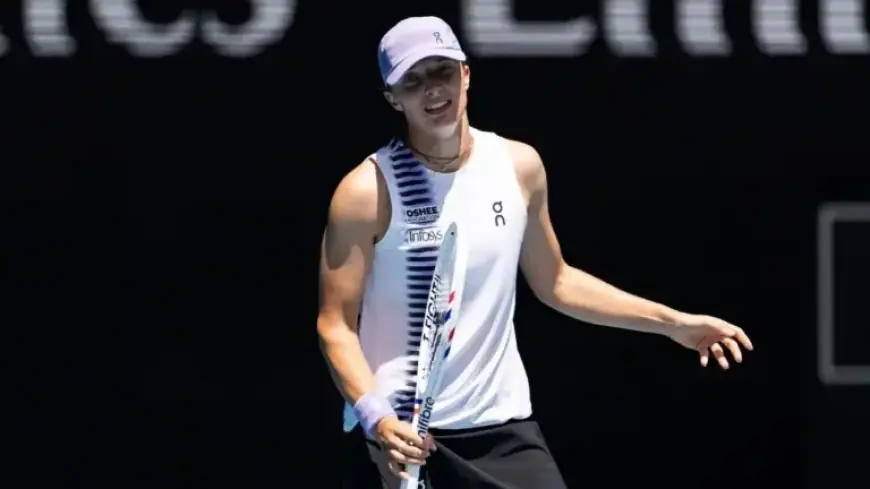
Iga Swiatek and Jessica Pegula have expressed their support for Coco Gauff’s call for greater privacy at tennis tournaments. Gauff’s remarks come after her moment of frustration, where she smashed her racket following a loss at the Australian Open, went viral. She pointed out that players often lack private spaces away from the cameras, highlighting the need for discussions about the extent of media access to players at the event.
Privacy Concerns Raised at the Australian Open
The Australian Open has seen increasing scrutiny regarding on-court and off-court coverage. Gauff, who is currently ranked third in the world, emphasized that players should have areas where they can express themselves without being observed by cameras. She stated, “Maybe some conversations can be had, because I feel like at this tournament the only private place we have is the locker room.”
Swiatek Adds Her Voice
Swiatek, ranked second globally, also commented on the invasive nature of camera access. After her match against Elena Rybakina, she remarked, “It would be nice to have some space where you can do that without the whole world watching.” She conveyed that while being a public figure comes with the territory, certain moments do not need to be shared for entertainment.
- Coco Gauff: No. 3 ranked player, two-time major winner
- Iga Swiatek: No. 2 ranked player, four-time French Open champion
- Jessica Pegula: Supporter of Gauff, criticized camera surveillance
The Impact of Camera Surveillance
Novak Djokovic has also weighed in on the issue, expressing that while the level of access can be excessive, he feels change is unlikely. “It’s really sad that you can’t basically move away anywhere and hide,” Djokovic said. He acknowledged the societal tendency to crave content but recognized the need for a deeper discussion on the matter.
Responses from Other Players
Pegula joined the conversation by stating that the cameras following players everywhere were intrusive. She highlighted that the only time players are not being recorded is during private moments like showers or when using the restroom. Pegula concluded by expressing hope that Gauff’s viral moment could inspire essential dialogue regarding players’ privacy.
Conclusion
As the tennis community continues to engage with this issue, it remains clear that the balance between entertainment and player privacy needs to be re-evaluated. The statements from players like Gauff, Swiatek, and Pegula indicate a growing desire for change within the sport. Fans and organizers alike may need to consider how to best respect players’ personal spaces in future tournaments.