























Andrew Forrest’s Green Ambitions Cost Taxpayers $80M in ‘Dud Project’

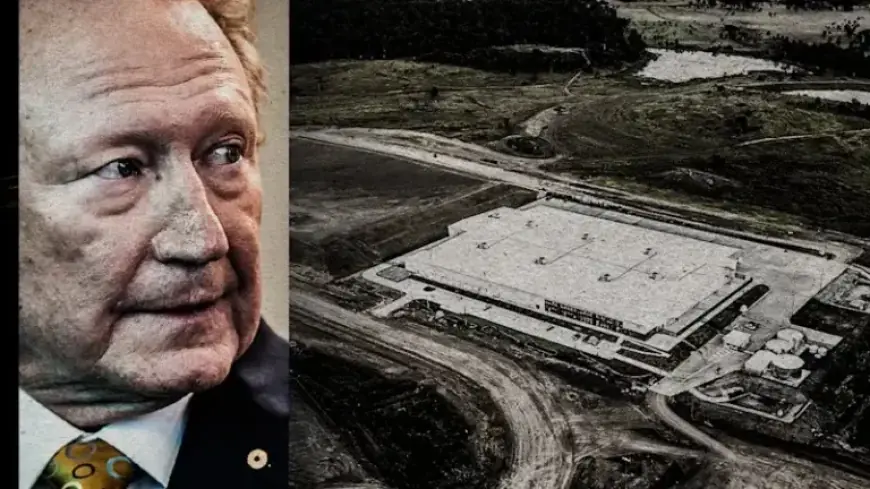
Billionaire Andrew Forrest’s ambitious green hydrogen project has resulted in a staggering $80 million cost to Australian taxpayers. His company, Fortescue Metals Group, has attracted foreign interest while ultimately abandoning the initiative shortly after its launch.
Disconnect Between Ambition and Reality
Newly released documents highlight a significant gap between Forrest’s optimistic expectations for producing emissions-free hydrogen at scale and the actual commercial challenges facing such projects. Despite receiving considerable taxpayer subsidies, achieving viability for green hydrogen projects remains a daunting task.
Details of the Fortescue Project
The Gladstone hydrogen factory, backed by both state and federal governments, received $100 million. Out of this, Fortescue has returned $20 million but is still liable for $66 million held by the Queensland government, which has criticized the venture as a “vanity project.”
- Cost to Taxpayers: $80 million
- Government Funding: $100 million
- Amount Repaid: $20 million
- Still Owed: $66 million
Testing and Infrastructure Costs
After concluding construction with a lot of governmental support, the plant operated hydrogen electrolysers for only seven weeks. This brief testing period cost taxpayers approximately $14 million per week. The initial vision was to launch a new export sector focused on hydrogen.
Continued Efforts in the Hydrogen Industry
Green hydrogen is vital to Forrest’s strategy of diversifying Fortescue’s mining operations into cleaner alternatives. The technology aims to replace fossil fuels in industries like steel production and heavy transport.
Government Reactions and Future Prospects
Industry Minister Tim Ayres stated that he would seek repayment of the public funds invested in the Gladstone project. Meanwhile, Deputy Premier Jarrod Bleijie decried the initial project approval as a poor use of taxpayers’ money. Despite the setbacks, Fortescue’s CEO, Dino Otranto, emphasized the importance of backing innovation.
Challenges Facing Green Hydrogen
Despite substantial investments in green hydrogen technology, significant hurdles remain. The production costs of green hydrogen greatly exceed those of hydrogen derived from fossil fuels. This disparity complicates market acceptance and the industry’s development.
The Future of Fortescue and Green Hydrogen
Fortescue has revised its goals, abandoning a target to produce 15 million tonnes of green hydrogen annually by 2030. Otranto insisted that setbacks are common in pioneering new industries but reiterated Fortescue’s commitment to the green hydrogen vision.
As Forrest mentioned at the Davos conference, while there are plans for a new, cheaper hydrogen variant, details are yet to be disclosed publicly. Despite challenges, the exploration and adoption of green hydrogen remain critical in the global push for a more sustainable future.